Play Treasure of Nadia
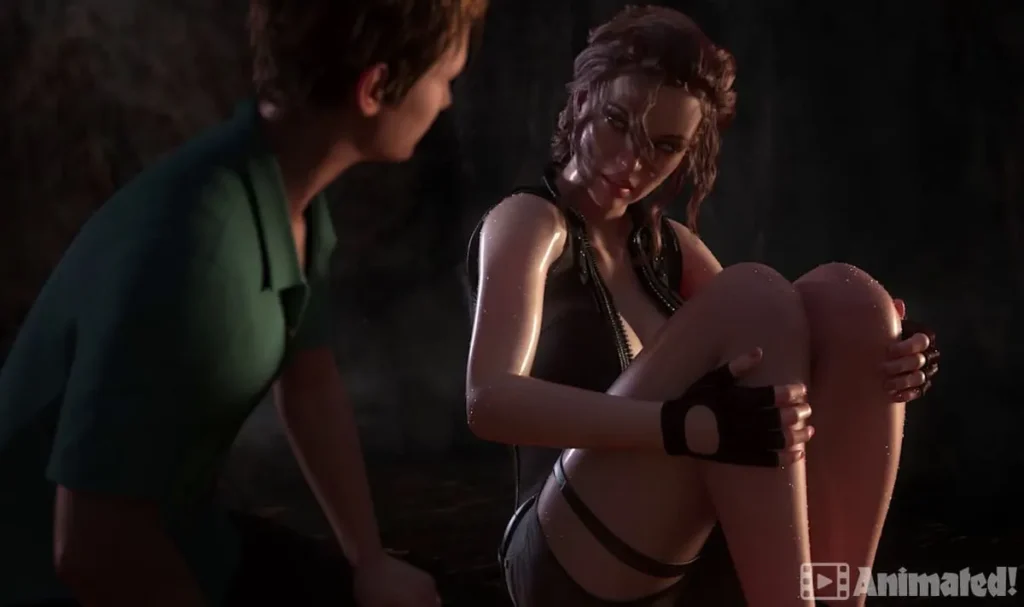
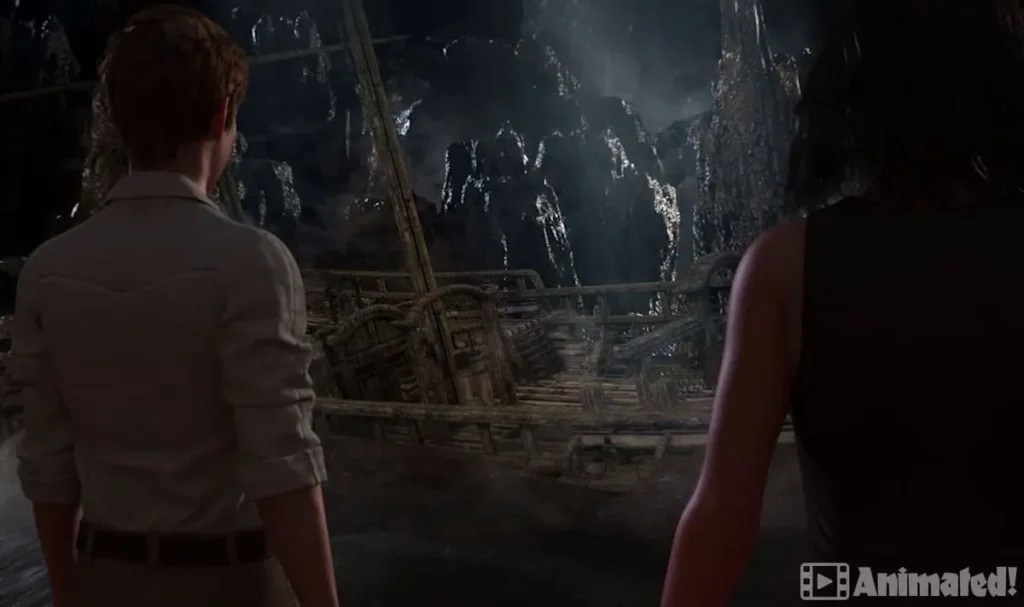
Treasure of Nadia Screenshots














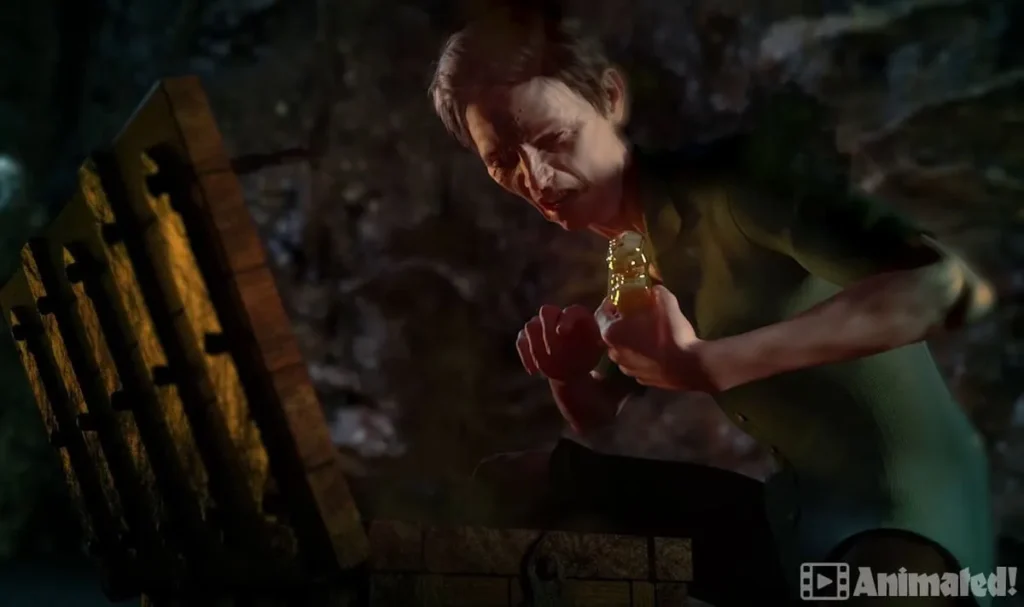




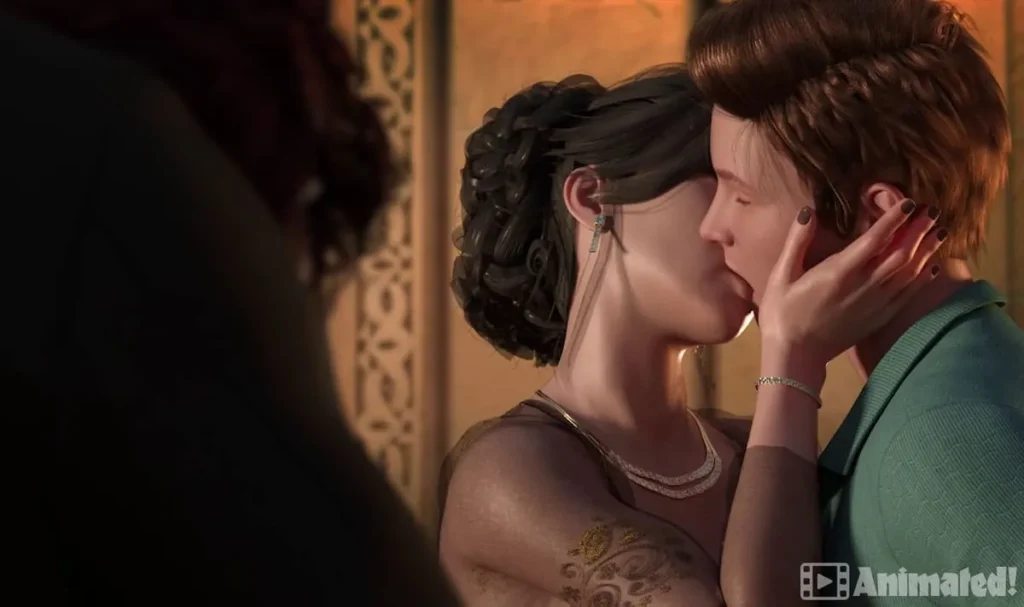
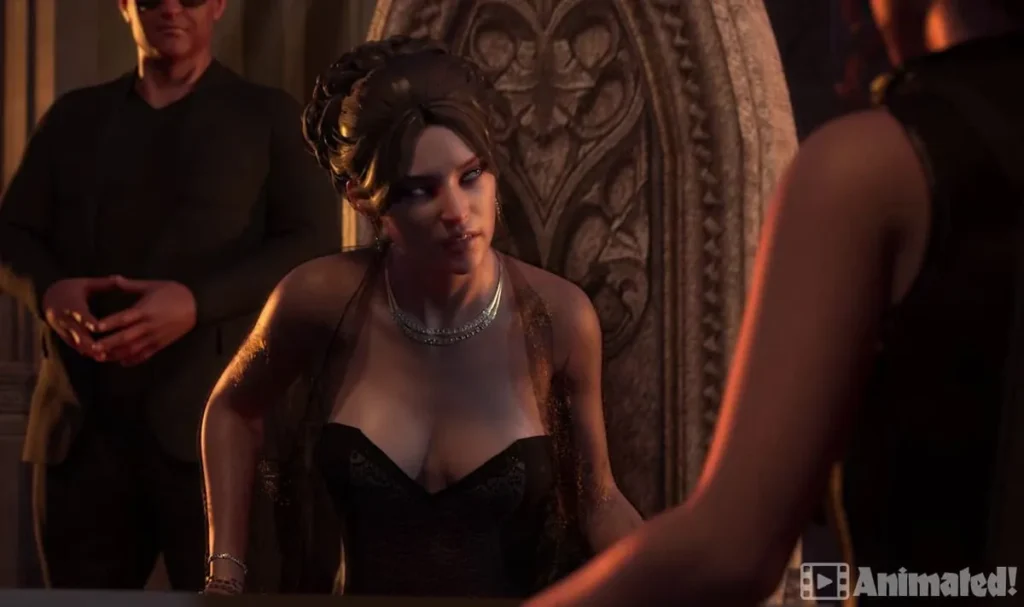




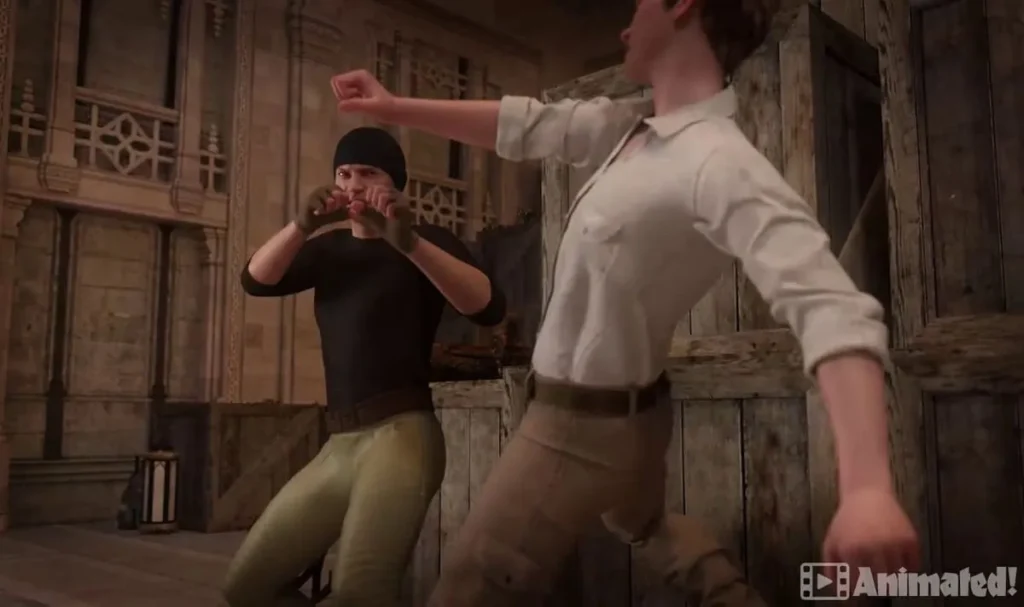



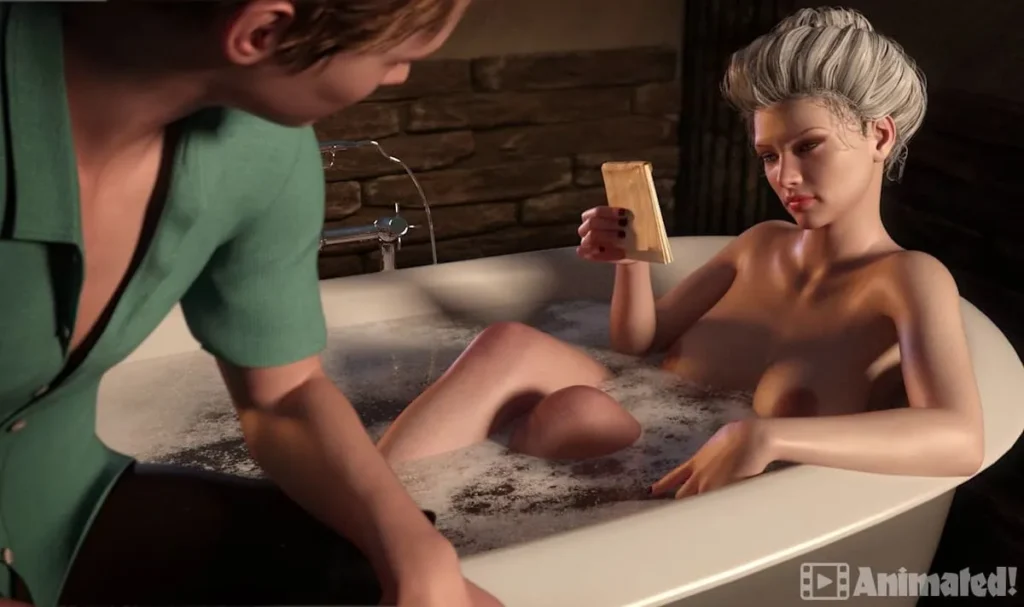



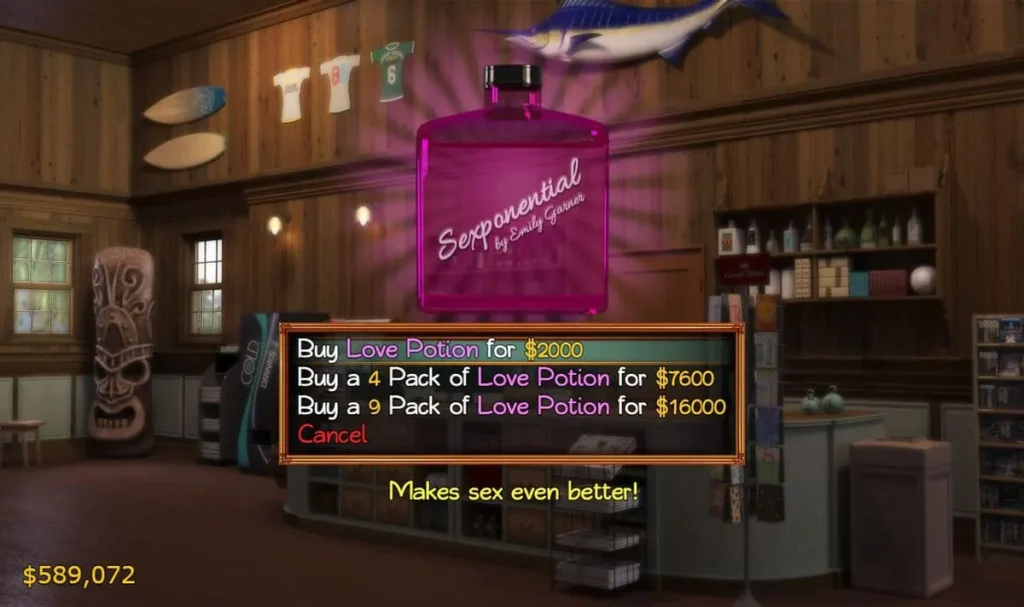

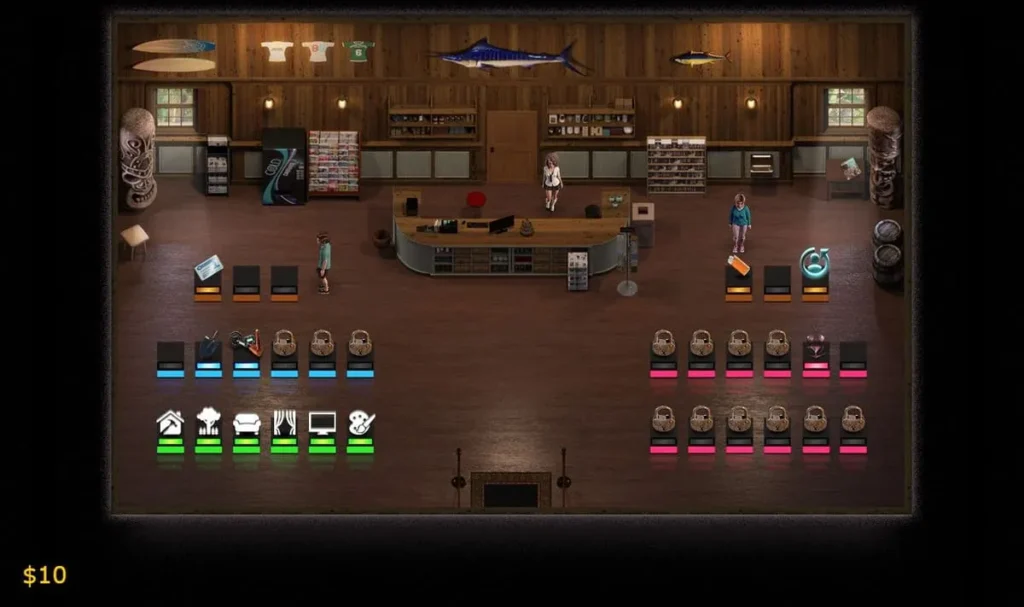





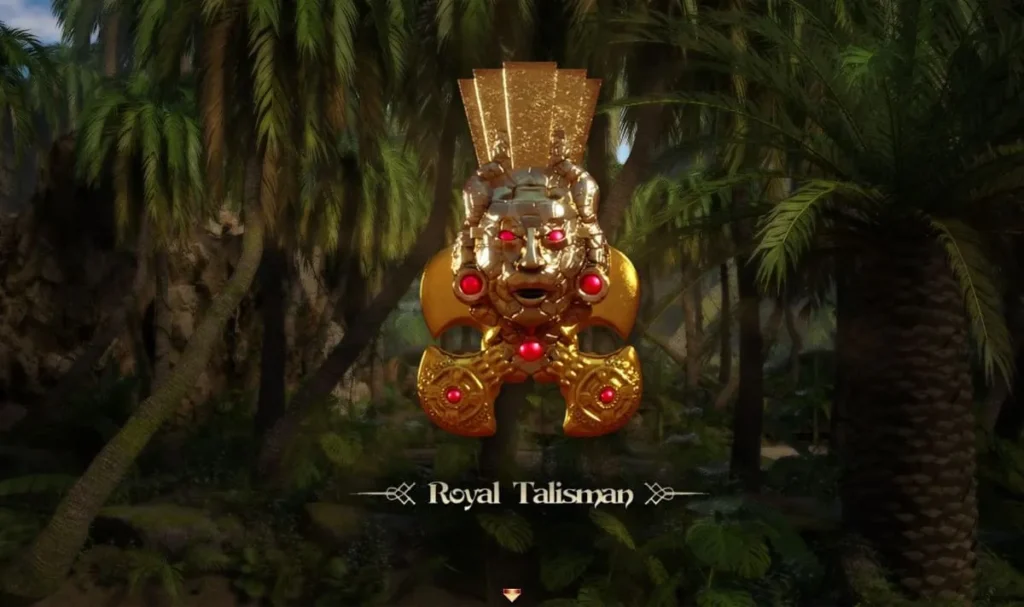
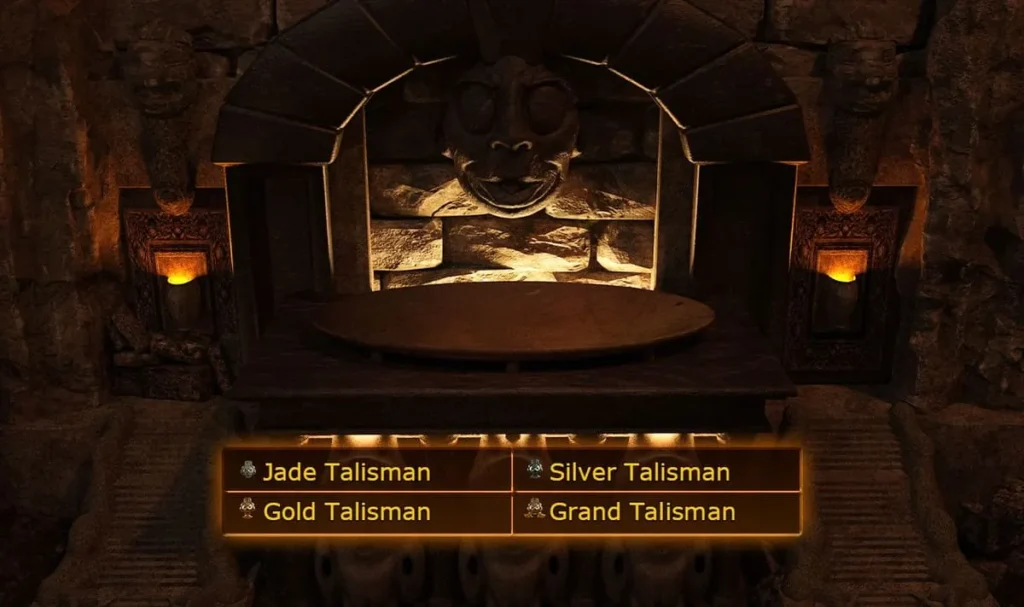
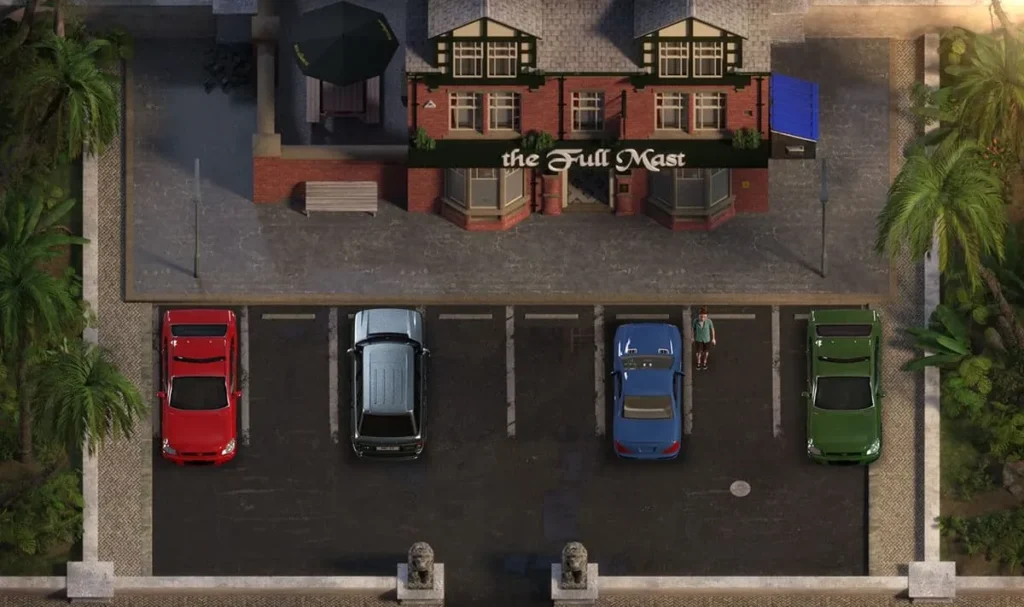
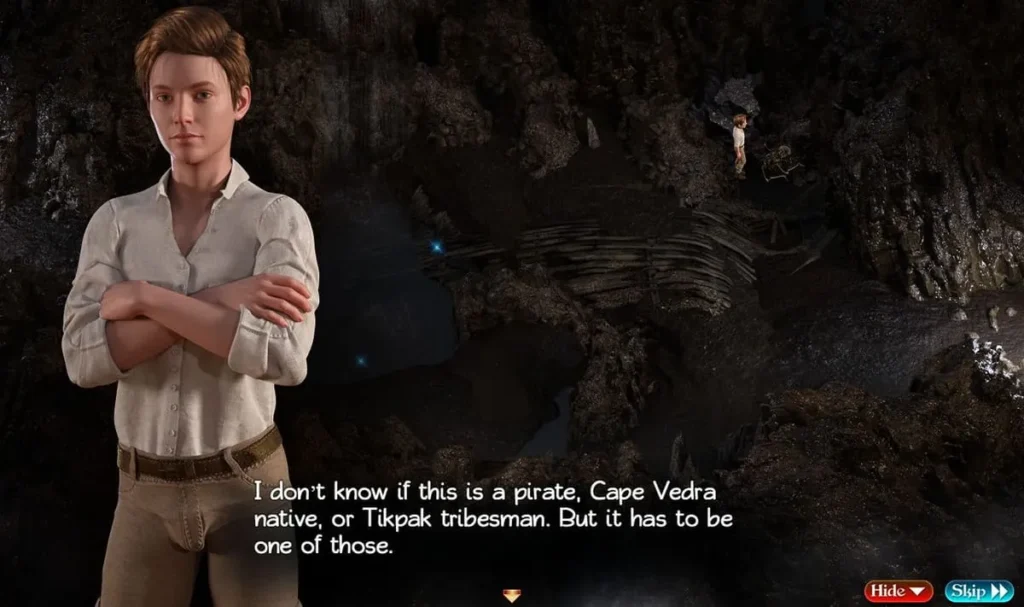
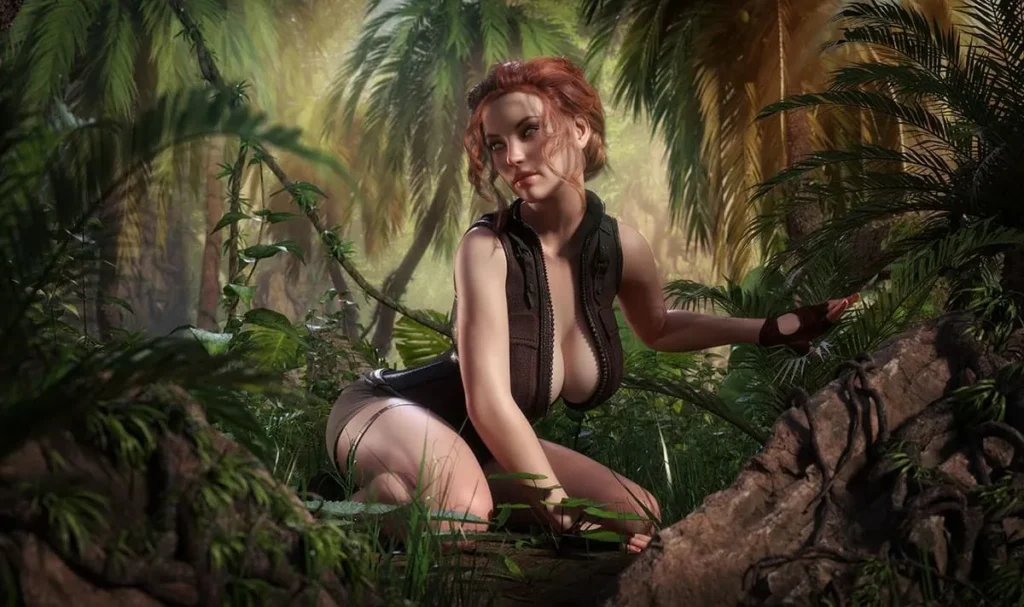
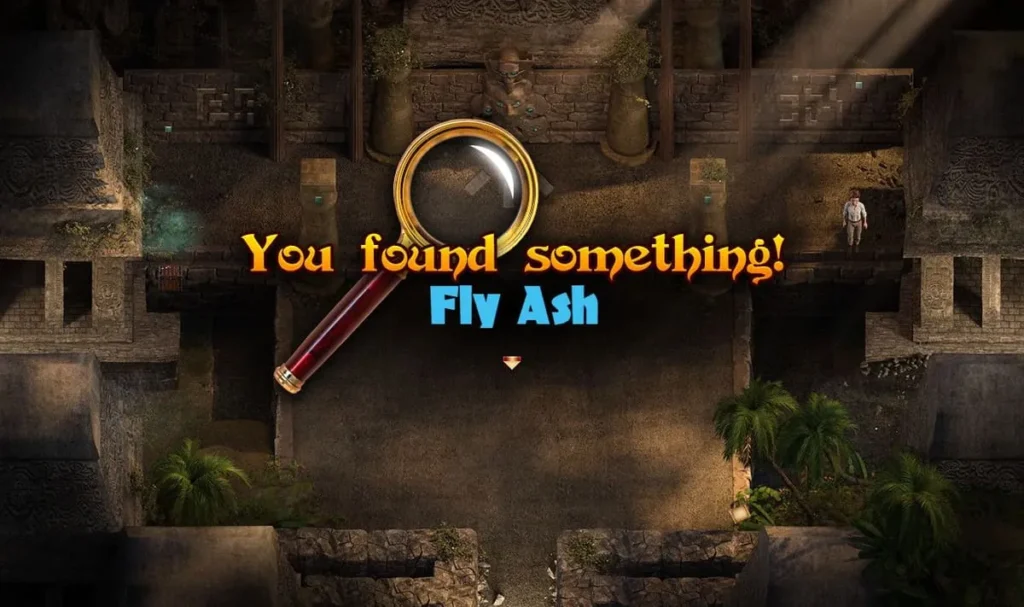
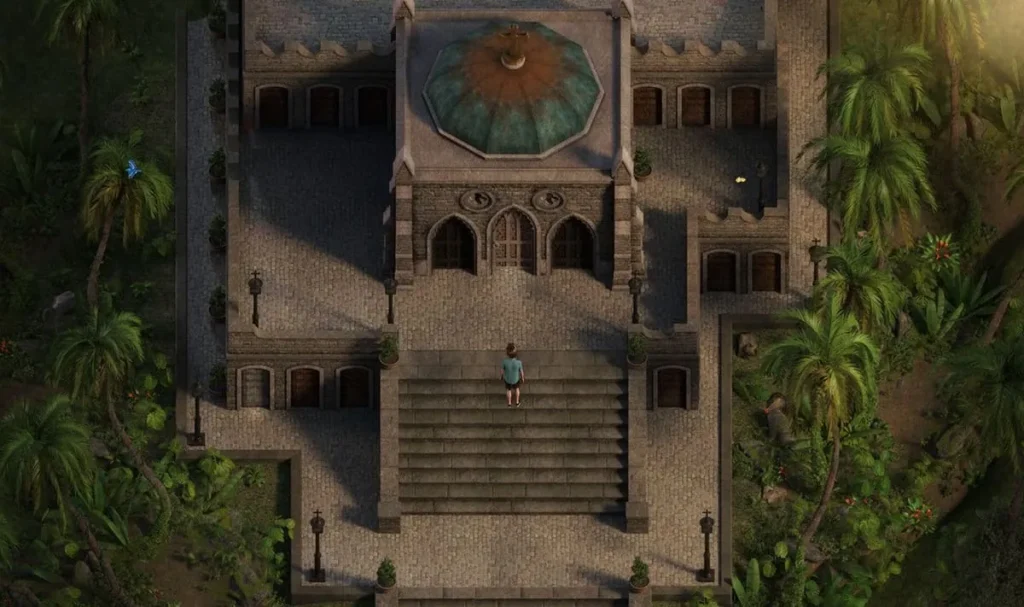
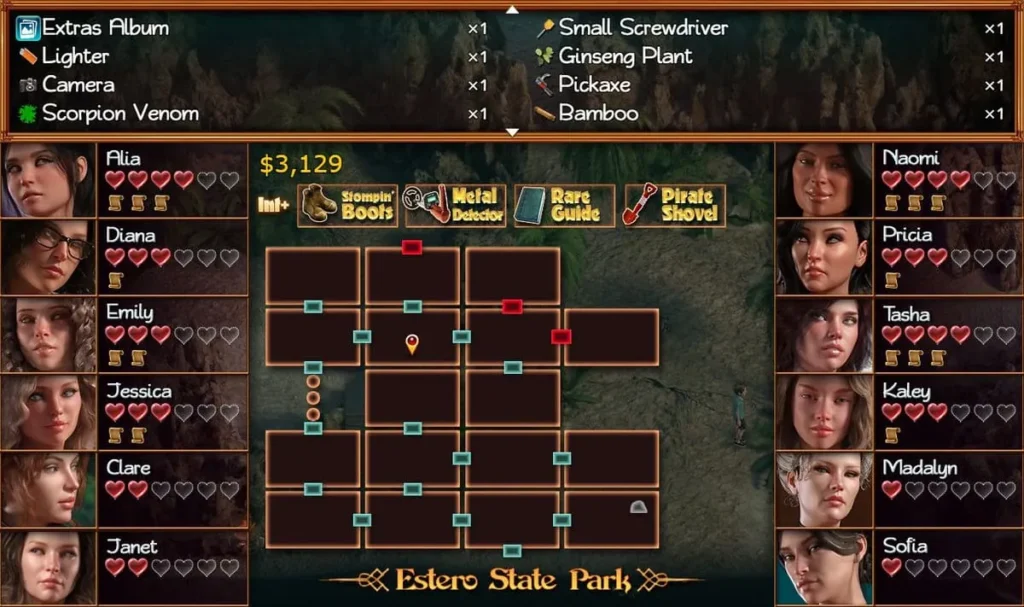
Treasure of Nadia review
Explore gameplay mechanics, storyline depth, and character relationships in this adventure title
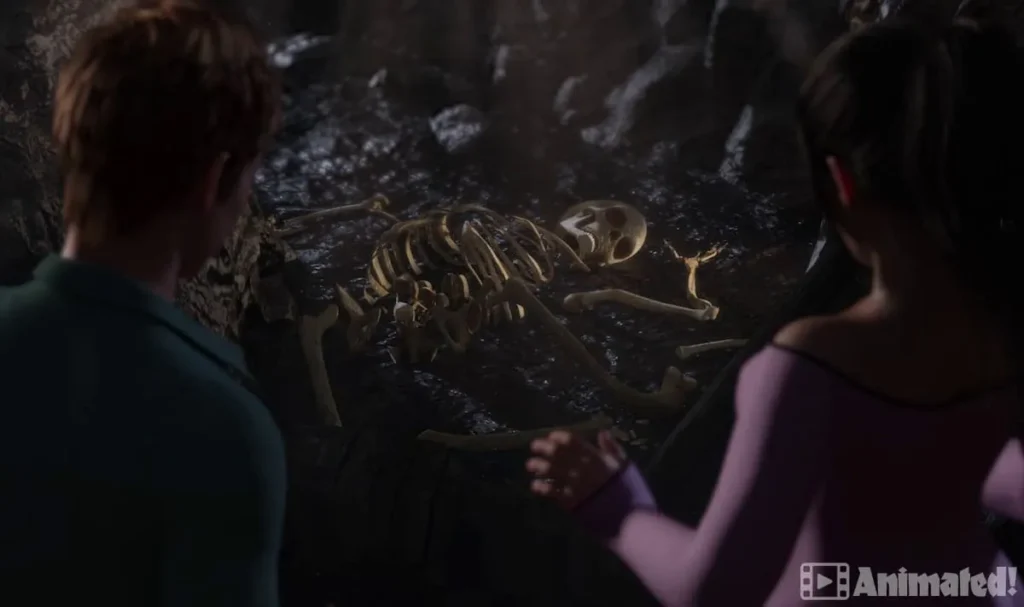
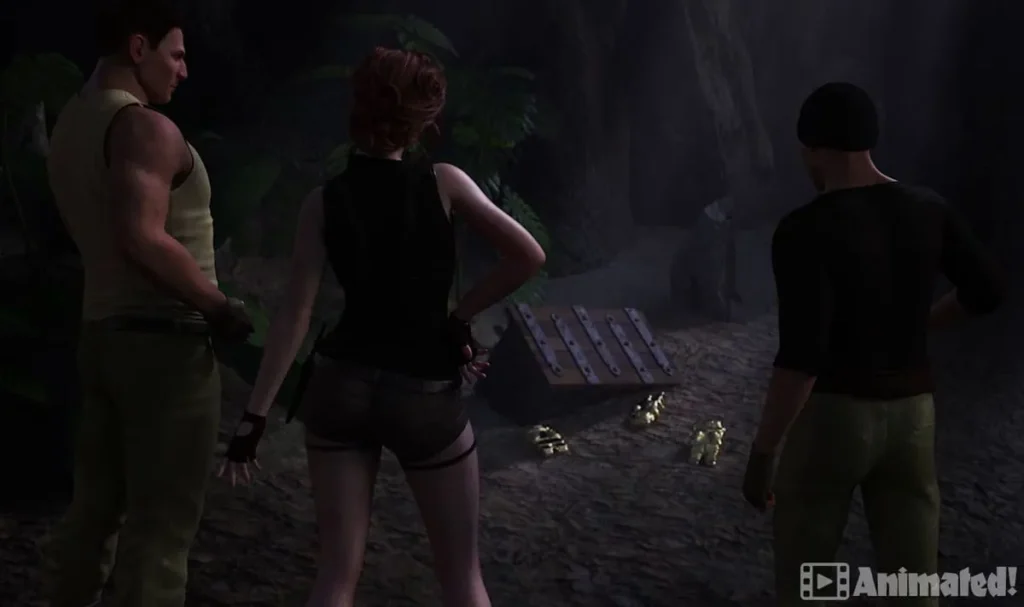
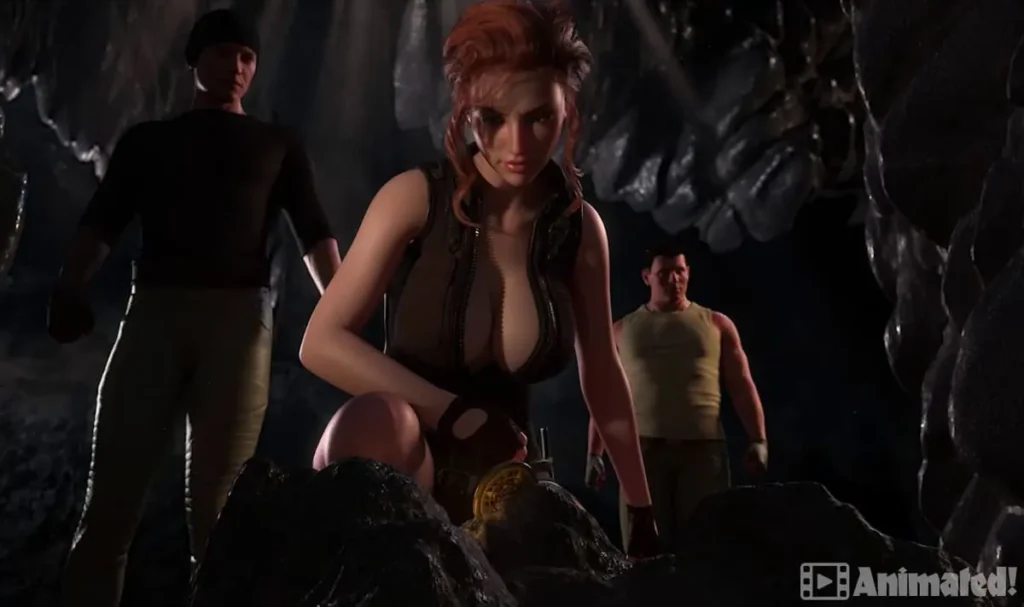
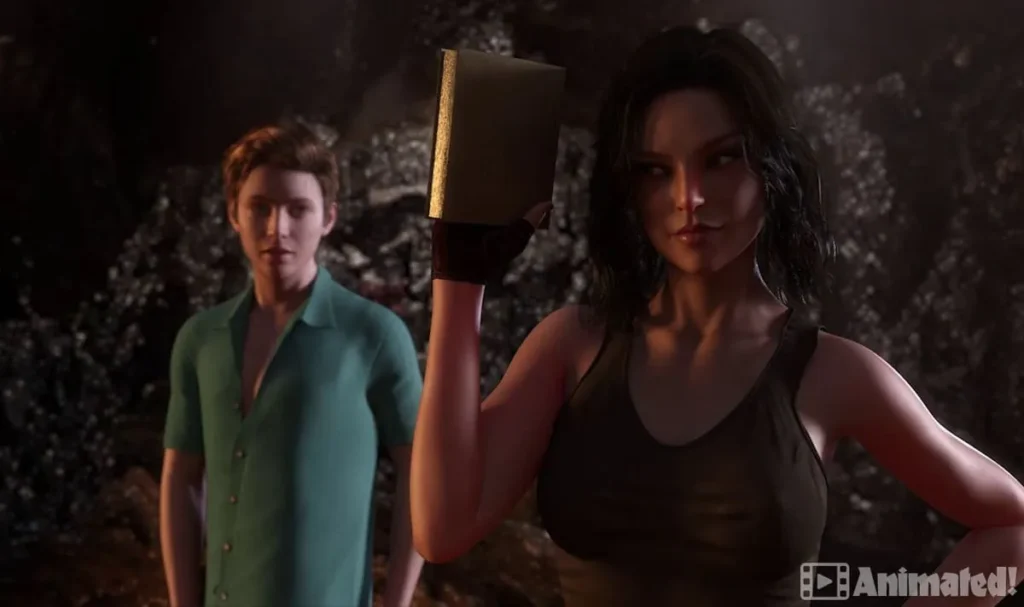
Treasure of Nadia stands out as a unique blend of exploration-based gameplay and narrative-driven storytelling. This adventure title combines Indiana Jones-inspired exploration with intricate character relationships and puzzle-solving mechanics. Whether you’re curious about how the game balances its various systems, interested in understanding character progression, or wondering what makes this title distinctive in its genre, this guide breaks down everything you need to know. From crafting systems to branching storylines, discover what creates an engaging experience that rewards both exploration and meaningful player choices.
Gameplay Mechanics and Core Systems
Let’s be honest—when you first boot up Treasure of Nadia, you might think you have it all figured out. Another adventure game, right? But within an hour, you realize it’s a surprisingly intricate machine where every cog—from chatting with a local to picking up a seashell—feeds into a larger, captivating whole. The true Treasure of Nadia gameplay mechanics are a brilliant blend of adventure, relationship-building, and resourceful survival on a mysterious island. This chapter will break down the core systems that make this game so moreish, from getting lost in its beautiful maps to mastering the art of the perfect gift. 🗺️⚙️
Exploration and Map Navigation
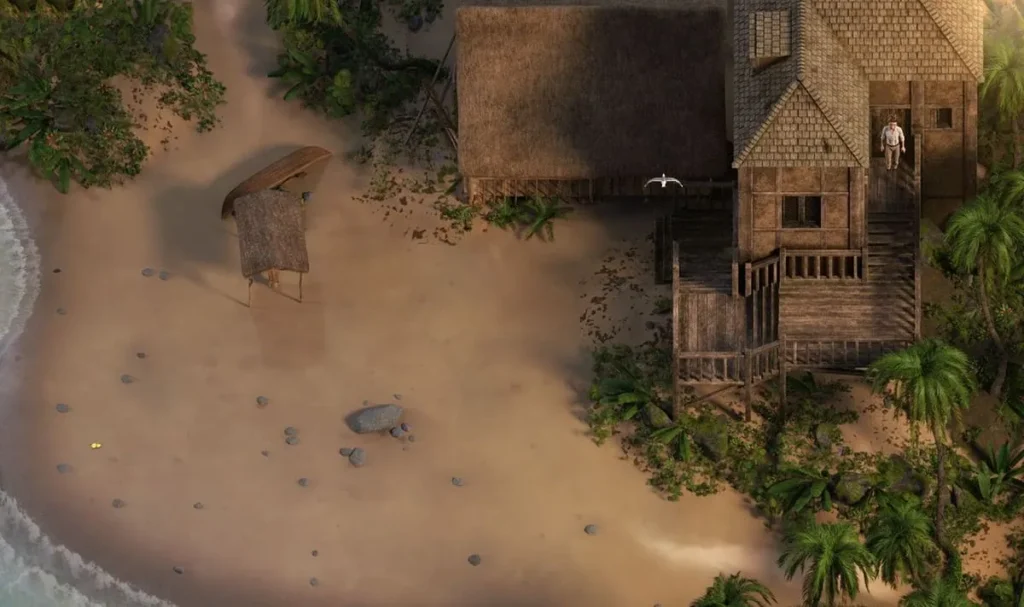
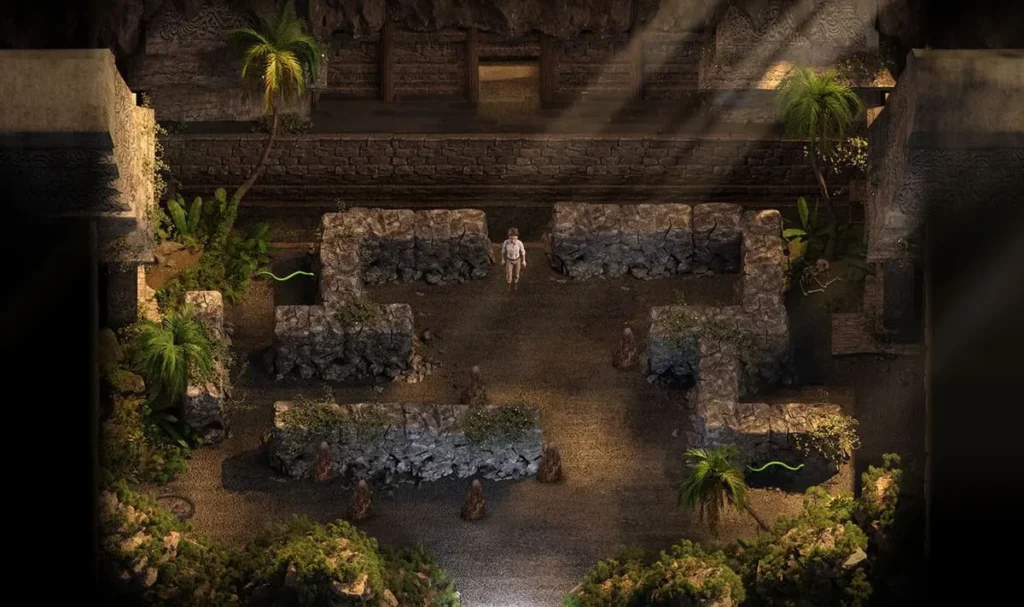
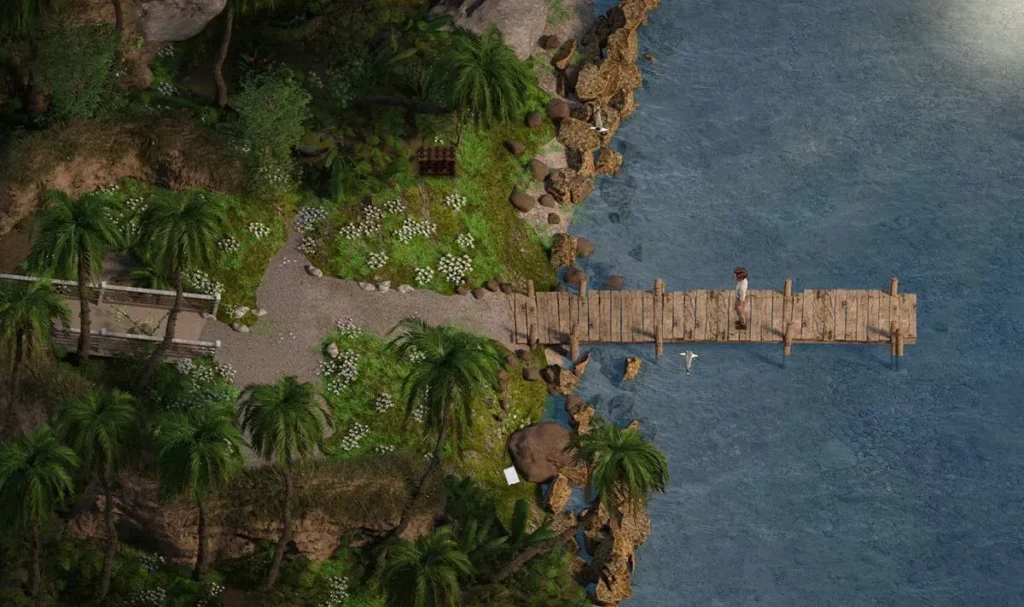
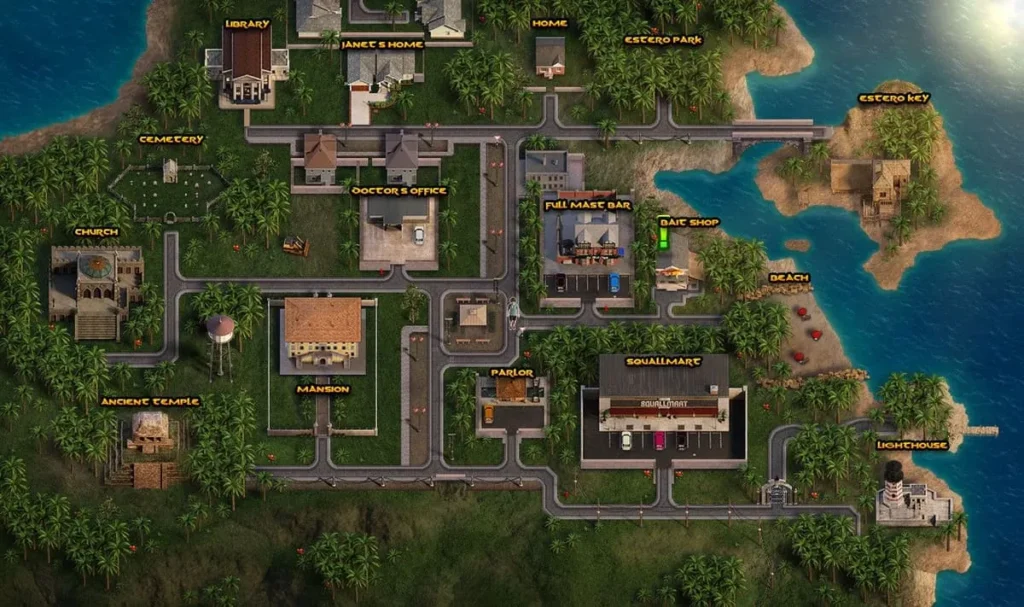
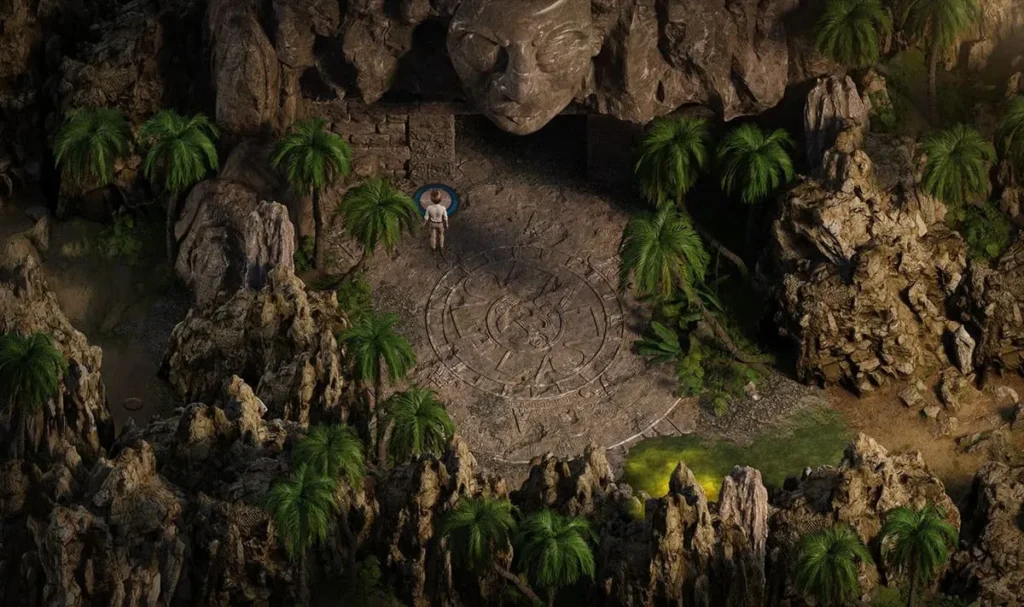
The heart and soul of your adventure is exploration. The island is your sprawling playground, but unlike many games, simply wandering won’t get you far. Here, exploration and character relationships are two sides of the same ancient coin. 🪙 You can’t access the overgrown jungle path until you’ve helped the botanist clear her head (and her supply closet). That hidden cave on the beach? It’s locked until the fisherman trusts you enough to mention his secret spot.
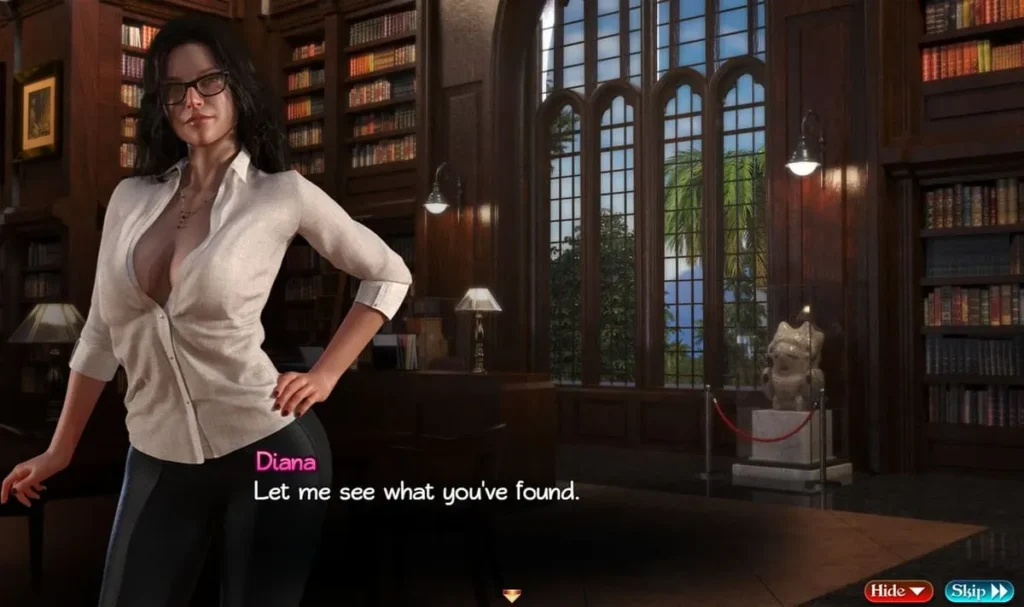
This design creates a satisfying “lock and key” progression, but the keys are people, not items. Early on, I spent hours stuck, trying to find a way forward, only to realize I hadn’t properly helped Diana with her research. Talking to everyone, and often talking to them again after a story beat, is not just for lore—it’s the primary driver for unlocking new areas.
This is where the brilliant map navigation and shortcuts system comes in. As you build trust with the island’s key residents, they don’t just give you quests; they literally change the landscape. Gain enough favor with the handyman, and he’ll build a rope bridge, cutting your travel time across a canyon in half. Help the shopkeeper, and she might give you a backdoor key to her store, creating a vital link between districts. It makes the world feel alive and responsive to your actions. You’re not just passing through; you’re leaving a tangible mark.
To visualize how these core systems intertwine, let’s look at this breakdown:
| Gameplay System | Primary Input | Primary Reward | How It Unlocks Story |
|---|---|---|---|
| Exploration | Time, Curiosity | Basic Resources, Map Knowledge | Reveals new character locations and hidden quest triggers. |
| Character Relationships | Conversation, Gifts, Quests | Trust, Shortcuts, Crafting Recipes | Directly gates major story events and area access. |
| Crafting | Gathered Resources | Tools, Gifts, Key Items | Creates items needed for character quests and puzzle solutions. |
| Story Progression | Completing Character Arcs & Puzzles | New Areas, Narrative Reveals | The culmination of all other systems; the final output. |
This interconnectedness means your journey is always moving on multiple fronts. You’re never just exploring; you’re scouting for resources for a gift. You’re never just crafting; you’re building a tool to solve a puzzle that will impress a character. It’s a fantastically woven loop.
Crafting and Resource Management
If relationships are the heart of the game, then the crafting system guide is its backbone and nervous system. 🛠️ This isn’t a superficial add-on; it’s essential for progression. Nearly every character quest, puzzle solution, and map unlock requires something you have to make yourself, from a simple wooden plank to a complex metal detector.
Your trusty Crafting Menu is where it all happens. You’ll gather a vast array of resources: wood from trees, ore from rocks, herbs from bushes, and more exotic components from treasure chests and specific puzzles. The game initially throws a lot of “junk” at you—broken pipes, old bottles, scraps of cloth. Don’t sell it all immediately! I made that mistake early on and later kicked myself when a recipe required ten “Seemingly Useless Rusty Gears.”
This brings us to vital resource management tips. The island’s resources are plentiful but respawn on a daily cycle, not in real-time. If you need a specific flower that only grows in one spot, you might have to wait for the next game day after picking it.
Pro Tip: Develop a routine. Start your day by checking all your regular resource spots (like the beach for shells or the forest for vines), then use that haul for crafting gifts or key items. This daily “harvest run” will save you from painful waiting later.
The crafting tree is deep. Basic items combine into intermediate parts, which then become advanced tools or story-critical artifacts. It perfectly supports the sense of being a scrappy adventurer building your capabilities from the ground up. You’ll feel a real surge of pride when you finally craft the Diving Suit or Metal Detector, knowing you foraged and built it yourself.
And remember, crafting is your primary source for gifts! Each character has loved, liked, and disliked items. Giving a loved gift (like giving Diana a Rare Orchid you crafted) skyrockets their affection much faster than just talking. It pays to be observant and note what they mention needing or admiring.
Puzzle-Solving and Challenge Design
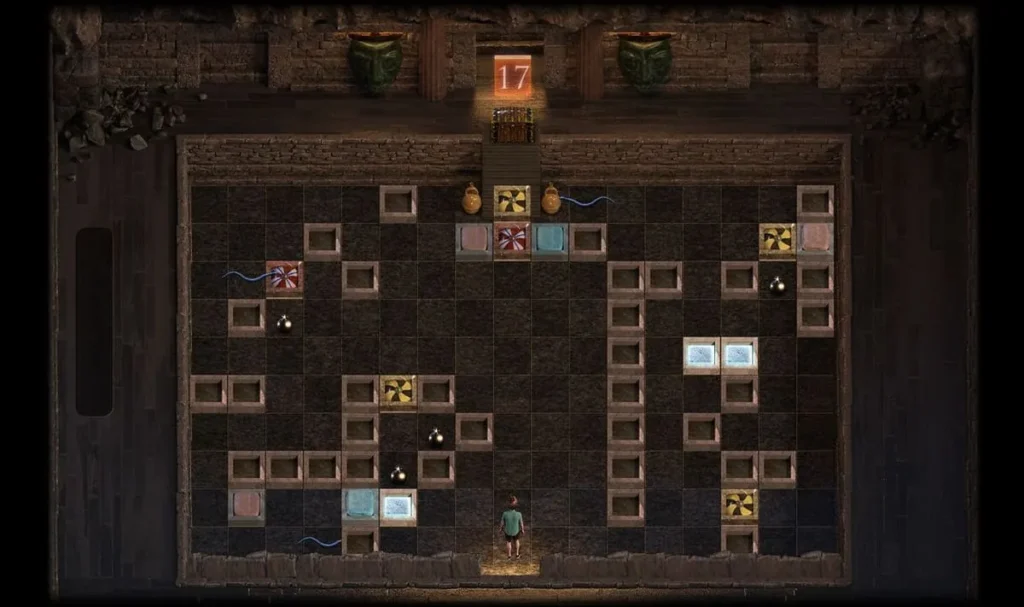
The puzzle solving difficulty in Treasure of Nadia is a gentle, sloping curve that expertly teaches you its own logic. 🧩 Early puzzles are straightforward environmental interactions—find a lever, match some symbols, combine two inventory items. They serve as tutorials, getting you comfortable with clicking, dragging, and examining everything.
As you progress, the puzzles become more integrated into the environment and story. You’re not just solving a standalone tile-matching game; you’re deciphering an ancient temple’s locking mechanism to proceed with an archaeologist, or calibrating a strange device to cleanse a poisoned spring. The context makes them feel meaningful. The challenge rarely comes from “gotcha” moments or pixel-hunting (though always keep your eyes peeled!), but from logical deduction and careful use of your crafted inventory.
Some later environmental puzzles can be quite devious, requiring you to backtrack with new tools or remember a clue from a conversation hours earlier. The game respects your intelligence. If you get stuck, it’s almost always because you missed a resource node, forgot to talk to someone again, or haven’t crafted the right tool yet. The puzzle solving difficulty is less about brain-twisting complexity and more about systemic understanding.
This is also where the game’s pacing, often discussed in terms of its longer playtime, becomes evident. There are moments where progress slows because you need to gather 15 pieces of lumber for a boat repair or wait for a character to be available. Some call this “grindy,” but I see it as the game forcing you to live on the island, to engage with its daily rhythms and side stories. It builds atmosphere and makes the big breakthroughs feel earned.
So, how long to complete Treasure of Nadia? To see the main story and one ending, you’re looking at a solid 30 hours. But to experience all character arcs, uncover every secret, and achieve the “complete” finale, you can easily invest 45 to 50 hours. This length comes from the deliberate pacing, the optional but rewarding relationship-building, and the time spent mastering the Treasure of Nadia gameplay mechanics of collection and crafting.
To ensure you spend those hours wisely, here are some indispensable tips for smooth sailing:
- Talk to Everyone. Twice. Seriously. Dialogue options frequently update after minor events. The second conversation often holds the crucial hint or triggers the next quest step.
- Gift Strategically. Keep a small stockpile of universally “liked” items (like simple cooked food) for general goodwill, but focus on finding and crafting the “loved” gifts for characters you want to advance quickly. Pay attention to their dialogue for clues!
- Save Before Major Decisions & Crafting. The game has key choice moments. Save often and in multiple slots. Also, save before attempting to craft a rare item from scarce resources, just in case.
- The Journal is Your Friend. Your quest log and crafting recipes are all neatly cataloged. Check it regularly when you feel lost.
- Embrace the Daily Cycle. Don’t fight the waiting. If you’re stuck on a resource, use the time to explore another relationship thread or hunt for treasure maps. There’s always another thread to pull on.
Mastering these interconnected systems—thoughtful exploration, strategic crafting, and relationship-driven puzzle-solving—is what transforms you from a visitor into the legendary adventurer at the heart of the island’s mystery. It’s a deeply satisfying journey where every crafted item and heartfelt conversation brings you one step closer to the ultimate prize. 🏆
Treasure of Nadia delivers a compelling experience that successfully merges substantive adventure gameplay with character-driven narratives. The game’s strength lies in how its exploration mechanics, crafting systems, and puzzle-solving directly interconnect with character relationships and story progression, creating a cohesive experience where player choices genuinely matter. With 30-50 hours of content and multiple endings to discover, the game rewards both careful exploration and meaningful engagement with its cast of characters. While some players note occasional puzzle difficulty spikes and interface quirks, the commitment to branching storylines and relationship-based progression sets this title apart. Whether you’re drawn to the Indiana Jones-inspired adventure elements or the complex character interactions, Treasure of Nadia offers a surprisingly deep journey through its carefully crafted world that justifies multiple playthroughs.