Global Games
All Categories
2D Porn Games
3D Porn Games
Adult Visual Novel Porn Games
Android Porn Games
Best Steam Porn Games
Browser Porn Games
Cloud Save Porn Games
Flash Porn Games: Sex & Hentai Flash Games
Free Porn Games
Global
HTML Porn Games
iOS Porn Games
Mobile Porn Games
Real Porn Games
Ren'py Porn Games
Text Based Porn Games
VR Porn Games

Dark Magic
Developer: F.Lord
0.18.0

My Time with You
Developer: EoloStudios
Book 2 - Chapter 25

Secret Summer
Developer: SuperWriter -
1.0 Epilogue
What a Legend!
Developer: MagicNuts
0.6.01

xxxFiles
Developer: Caine.Totally.Sane
0.2.2

Monkey Business
Developer: Lazy Monkey

No More Secrets
Developer: RoyalCandy
0.11
Long Live the Princess
Developer: Belle
1.0.1

NTR and Zombies
Developer: NTR and Zombies
0.5

My Girlfriend Fulfills My Netorase Dreams
Developer: Fanorase
0.4

Building Our Futature
Developer: Infidelisoft -

Femdom Fiends
Developer: duck-x
0.59.50

Blow VR

Attempted Redemption
Developer: The Joker's Lair

Trouble at Home
Developer: CoolKittyRhymes

Tribulations of a Mage
Developer: Talothral

Apocalypse
Developer: EpicLust

Lost at Birth
Developer: V19 -

The Red Veil
Developer: Raw Magic

Cyberheart
Developer: DiPeppo
3.5.1

Mythos: Book One
Developer: Nine of Swords
1.0.0.0

Deep Vault 69
Developer: bohohon
0.6.11
The Null Hypothesis
Developer: Ron Chon

Zeno’s Anthology
Developer: Chemical Fire
0.5

Shadows of Ambition
Developer: AbyssGames

Getting Intimate
Developer: MangoWorks

A Wife And Mother
Developer: Lust & Passion
0.230 HD

My New Girlfriend
Developer: CircleGames

Short Sad Stories
Developer: Pent Panda
Final + DLC
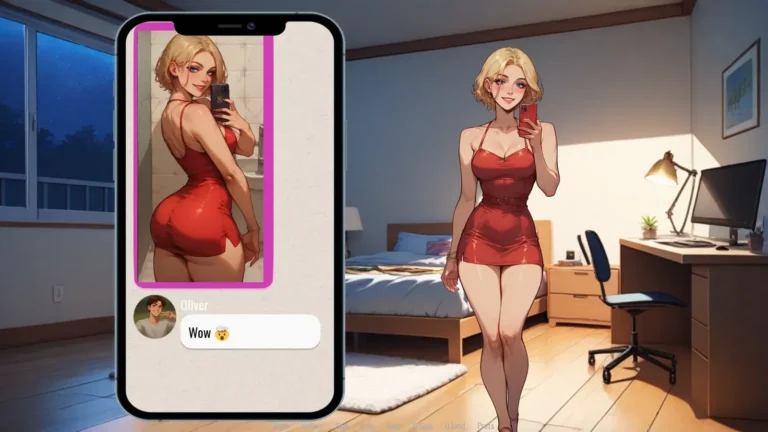
Welcome to Port Haven
Developer: Sofia Skye
0.8

Man’s Best Friend
Developer: AdultKing

Onhold Summer Story
Developer: Logo
0.3.1

Summer Vacation
Developer: ErwinVN
0.9.10

A Promise Best Left Unkept
Developer: Hangover Cat

Familiar Circumstances
Developer: Babyface
1.2

Life Changes for Keeley
Developer: Tora Productions
1.0

Mad World
Developer: Smoke Mob Games
4.1.0 WIP

Sylphine
Developer: Glacerose
024

Neuvau
Developer: Asmodeus_
1.06.01

BLACKJACK and WAIFUS Hentai Version
Developer: KG/AM

VR Smash
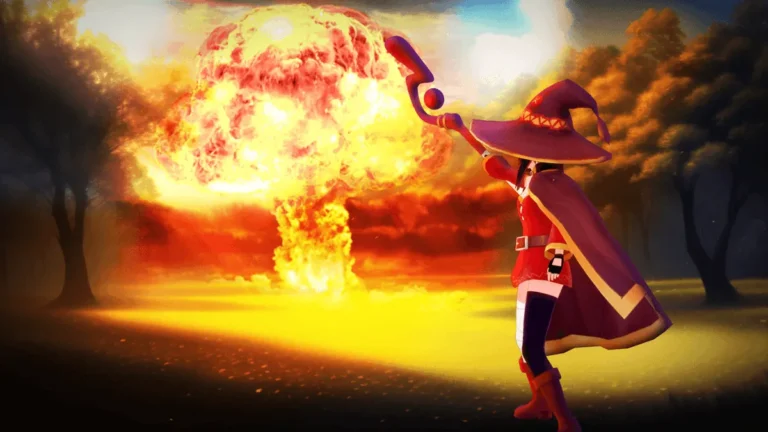
Adventurer Trainer
Developer: PastryIRL
0.1.9a

Randel Tales
Developer: Ero Sandwich Studio
1.7.0-1

Limitless
Developer: Cr8tive M3dia

By Justice or Mercy
Developer: TowerBoyGames
13

Law School
Developer: MisterMaya

Take Over
Developer: Studio Dystopia
0.88
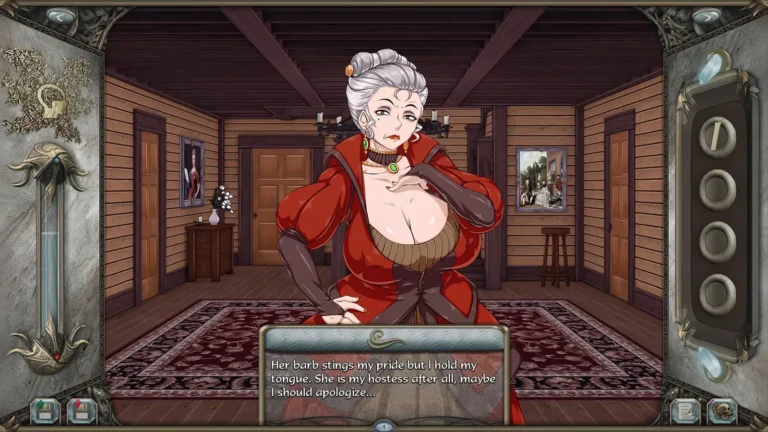
Shadow Island
Developer: Redikal

Into Your Heart Revamped
Developer: Mereszhka
0.4

Watching My Wife
0.6.1

Uni
Developer: Hizor Games
v0.63.126C

Silk and the City of Seduction
Developer: Devious Delight Games
3.20

Deviant Discoveries
Developer: Jan The Spider
0.50.0

Milfy Day
Developer: Red Lighthouse
0.9.5
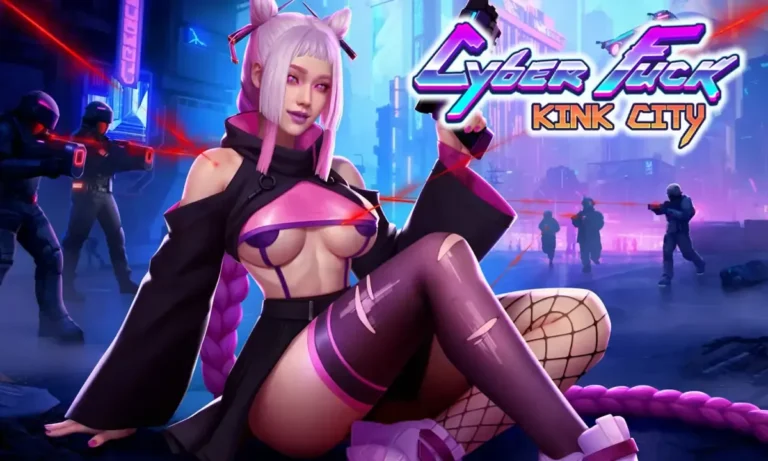
Cyber Fuck Kink City
Developer: Nutaku
1

Annie’s School Days
Developer: Mobum
0.7

S.H.E.L.T.E.R. – An Apocalyptic Tale
Developer: Winterlook
1.0 Bugfix

FreshWomen – Season 1
Developer: OppaiMan
Season 1

Shattered
Developer: Yeda Games
0.22
An in-depth, user-focused look at the Global category and top titles
The Global category is a cross-border classification used to group games whose content, themes, or distribution target an international audience, and that often appear in aggregated catalogs and search filters. In this post I’ll unpack what Global means in practice, share my experience discovering standout titles labeled Global, and give practical advice on finding, evaluating, and safely enjoying these games. Whether you’re researching trends, choosing a new title, or comparing platforms, this guide will walk you through definitions, platform rules, top games, and practical tips for a better experience.
H2: Global — definition, scope, and why it matters
Ever spotted that little “Global” tag on a game’s store page and wondered what it actually means? 🤔 You’re not alone. In the vast, interconnected world of digital storefronts, this small label carries a lot of weight. Simply put, the Global game category is a signal—a beacon indicating a title that’s built and distributed with a worldwide audience in mind from the very start. It’s the opposite of a game locked to a specific region or language.
I remember scrolling through a popular digital store, thrilled to find a quirky indie puzzle game recommended by a friend in Europe. It had the Global tag right there. But when I clicked, my excitement faded: a tiny note said “Purchase not available in your region.” The tag was present, but the reality was more complicated. That moment of confusion sparked my deep dive into what “Global” truly promises and how the reality of international game distribution often involves navigating a hidden maze of rules.
This chapter will demystify the Global tag meaning, showing you not just what it represents, but how to use that knowledge to unlock a world of gaming without borders.
### What does Global mean for game categories?
At its heart, the definition of Global games revolves around maximum accessibility. When a developer or publisher slaps the Global label on their title, they’re making a statement: “This game is intended for a worldwide release.” But it’s more than just intention; it’s about practical execution.
A game in the Global category typically checks several key boxes:
- Wide Distribution Scope: It’s submitted and made available for purchase in a vast majority of countries a platform serves, not just North America, Europe, and East Asia.
- Multi-language Support: It goes beyond English. You’ll often find support for languages like Spanish, French, German, Japanese, Korean, Russian, and Simplified Chinese right at launch. The UI, subtitles, and sometimes even voice-overs are localized.
- Cross-Cultural Themes: Its content is designed to resonate—or at least not seriously offend—across different cultures. This doesn’t mean it’s bland, but that its themes, humor, and imagery are considered for a broad audience.
- Unified Marketing & Launch: There’s one major launch date, not a staggered rollout over months. The marketing campaign speaks to an international community.
Think of it this way: a region-specific tag like “Japan Only” is a walled garden. The Global game category aims to be an open park. It’s a promise of inclusivity, telling you, “Wherever you are, you should be able to join in.” 🗺️
Pro Tip: Just seeing the “Global” tag isn’t a 100% guarantee. Always check the game’s specific store page for your country. I learned this the hard way!
### How platforms classify and moderate Global content
So, who decides what gets this coveted tag? It’s a partnership between developers/publishers and the platform storefronts (like Steam, PlayStation Store, Nintendo eShop, etc.). The developer declares their intended release regions and languages during submission, and the platform applies tags based on that data and its own verification.
However, this is where platform moderation Global policies come crashing into the party like a strict referee. 🚨 A platform’s rules ultimately govern what stays available where. A game can be submitted as “Global,” but platform moderators can—and do—restrict its availability based on content.
Major platforms have broad guidelines that affect regional availability:
* Content Restrictions: Most platforms prohibit or heavily restrict sexually explicit material, certain types of graphic violence, hate speech, and content that infringes on copyrights or local laws. A game violating these rules may be blocked entirely or have its availability trimmed from certain regions.
* Age Gating and Content Filters: This is a huge part of the Global puzzle. To reach a worldwide audience, developers often must implement robust age gating and content filters. Platforms use regional age rating boards (like ESRB, PEGI, CERO, etc.). A game might be rated Mature in the US but be completely banned in a country with stricter laws. To remain “Global,” the developer might need to create modified versions for specific regions.
* Regional Availability Rules: Sometimes, it’s not about content, but licensing. A game featuring music or a brand with geographically restricted rights cannot be sold everywhere. The platform will then region-lock it, effectively removing it from the Global category in practice.
Real-World Impact: Consider the case of a popular online shooter that altered character designs and visual effects for its release in several regions to comply with local regulations. While it remained broadly available, the experience wasn’t truly identical globally. In a more drastic example, some narrative-driven games have been temporarily delisted or permanently blocked on certain regional storefronts due to sudden changes in platform policy regarding adult content, instantly fragmenting their “Global” status.
Here’s a quick look at how different platforms handle the sprawl of international distribution:
| Platform | Common “Global” Criteria | Moderation Focus Affecting Availability |
|---|---|---|
| Steam | Multi-language support, wide regional pricing, single worldwide build. | Mostly developer-declared, but enforces bans on illegal content or titles violating Steam’s rules, which can lead to regional restrictions. |
| PlayStation Store | Submission to all regional store teams, compliance with all regional age ratings. | Strict content policies per region (e.g., CERO in Japan). May require separate, censored builds for specific markets. |
| Nintendo eShop | Unified launch timing, broad language options. | Stringent family-friendly content guidelines can lead to rejection or modification for the global Nintendo audience. |
| Mobile (App Store/Google Play) | Availability in all possible country stores. | Heavy localization needed; strict enforcement of local laws (e.g., gambling, loot box regulations) can limit availability. |
Before you click “purchase” on any title boasting worldwide appeal, run through this quick checklist to avoid disappointment:
✅ Language Verification: Check the store page’s “Languages” section. Does it list yours? Don’t assume!
✅ Region Lock Check: Look for fine print like “This product is not available in your country.” Search the game’s community forums or news for reported geo-blocks.
✅ Payment Method Preview: Try proceeding to checkout (without finalizing). If your local payment options don’t appear, there’s a distribution issue.
✅ Age Restriction Awareness: Note the age rating for your region. Ensure you meet it and understand if any content is filtered.
### Why players seek Global-tagged titles
We chase after games with the Global label for some powerful, deeply human reasons. It’s about connection and freedom. 🌐
First, it’s the ultimate accessibility hack. For gamers in regions often sidelined by major releases—think parts of South America, Africa, or Southeast Asia—finding a Global-tagged title means “This game is for me, too.” It validates your place in the global gaming community.
Second, it fuels our FOMO (Fear Of Missing Out). When a hot new game trends on social media, we want to be part of the conversation now, not six months later when a localized version might arrive. The Global category promises day-one inclusion in that worldwide hype cycle.
Most importantly, it’s about shared experiences. Gaming is increasingly social. We want to play the same co-op adventure with friends scattered across the globe, or compete on the same leaderboards. A Global game with unified servers makes this possible, fostering a truly international community. There’s a magic in collaborating with teammates from three different continents, a magic made possible by the infrastructure the Global tag implies.
So, the next time you’re exploring a digital store, see the Global tag as more than just metadata. See it as a goalpost—for developers aiming for the widest possible reach, and for you, the player, seeking an unfettered, connected gaming experience. By understanding the definition of Global games, the reality of platform moderation Global policies, and the nuances of regional availability, you become a smarter, more empowered shopper. You can look past the tag, do your quick checks, and confidently dive into titles that truly open up your world. Happy gaming, everywhere! 🎮
The Global category groups games intended for an international audience and requires attention to localization, platform rules, and safe purchasing practices. Use language and region filters, read platform policy summaries, and prioritize titles with active communities and clear privacy/payment practices. Try demos where available and report issues to publishers or store operators. If you enjoyed this guide, share your own discoveries and feedback so I can expand the list of recommended Global titles and update platform notes.
Explore Other Categories
Want to Suggest a Game?
Have a favorite adult game that's not in our collection? Let us know and we might feature it!
Contact Us