
Tales of Unity
Play Tales of Unity
Tales of Unity Screenshots
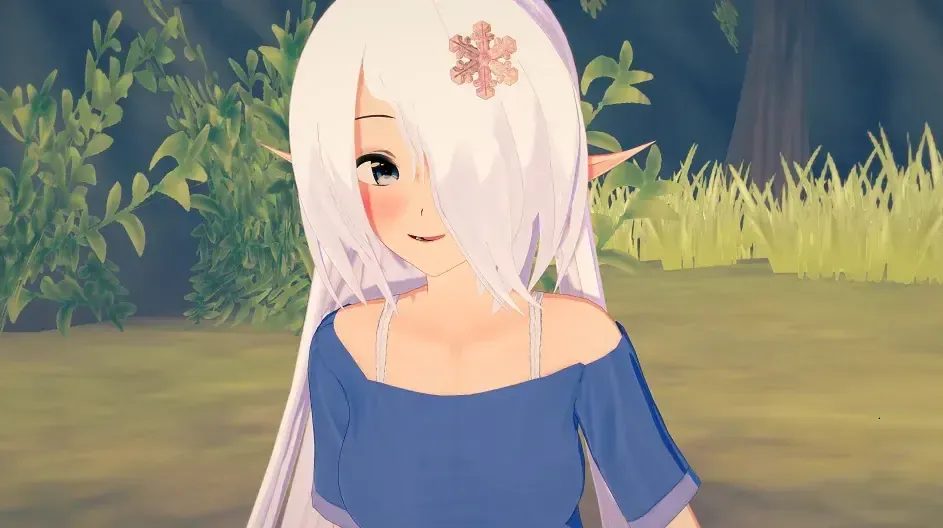
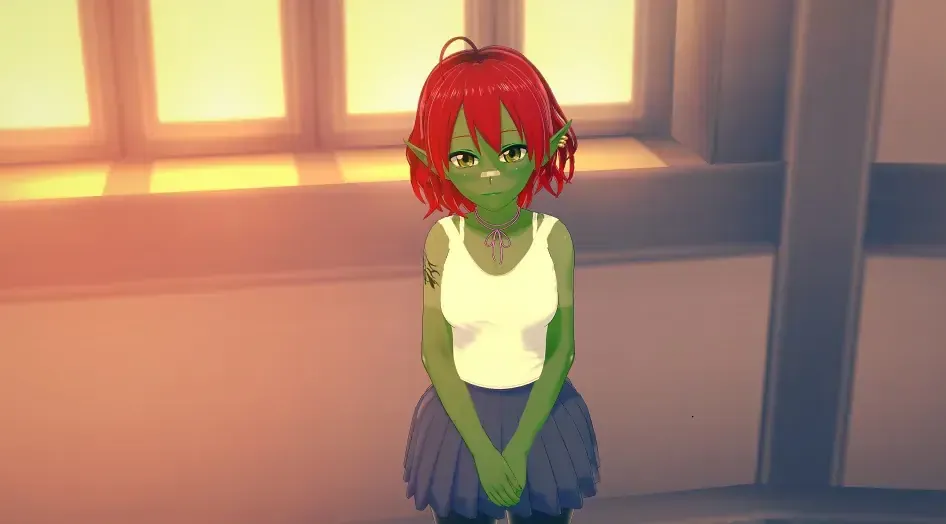
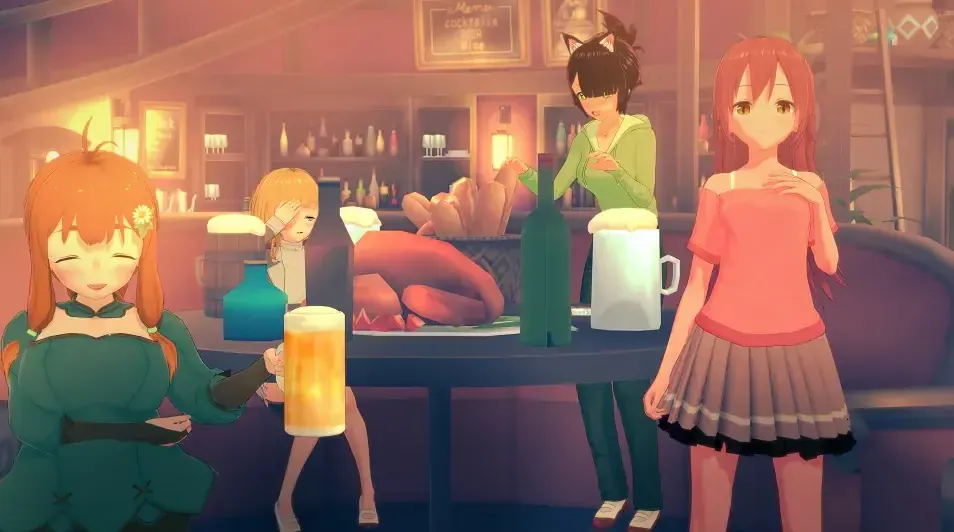
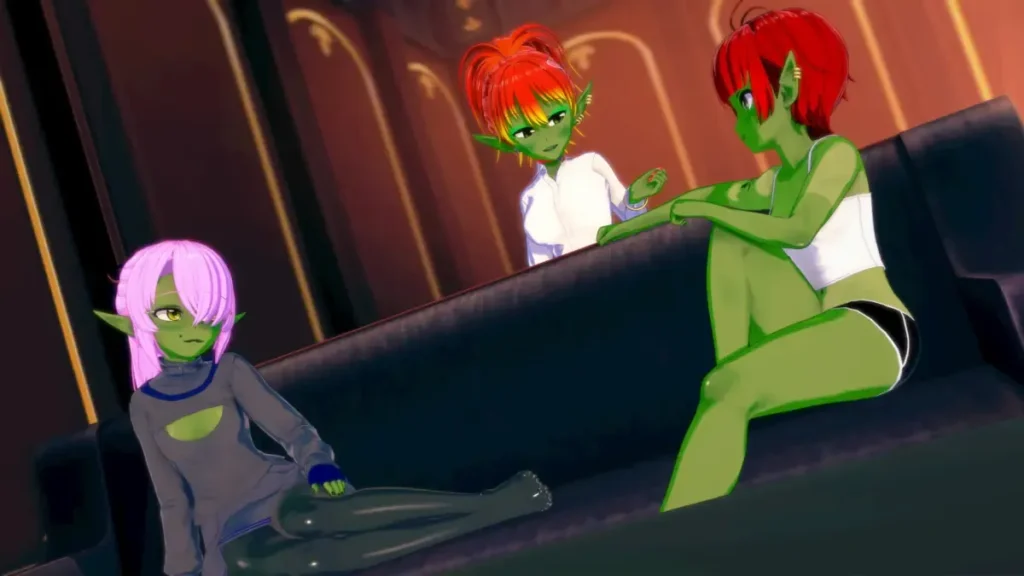
Tales of Unity review
Exploring how Tales of Unity redefines storytelling in adult visual novels
Tales of Unity stands as a remarkable example of how adult visual novels can deliver compelling narratives alongside engaging gameplay. This title has garnered significant attention from the visual novel community for its masterful storytelling approach and character development. Whether you’re a seasoned visual novel enthusiast or curious about the medium’s narrative potential, Tales of Unity offers a unique experience that transcends typical genre expectations. The game demonstrates that adult-oriented titles can achieve the same narrative depth and emotional resonance as mainstream gaming experiences, challenging preconceptions about what this medium can accomplish.
The Narrative Excellence of Tales of Unity
Let me tell you about the first time I realized Tales of Unity was something special. I was a few hours in, settled into what I assumed was a familiar pattern of dialogue and choices, when a character’s quiet confession completely blindsided me. It wasn’t a dramatic plot twist in the traditional sense, but a raw, vulnerable moment that redefined my understanding of their entire motivation. In that instant, the game transformed from a pleasant diversion into a masterpiece of narrative craft. This is the magic of the Tales of Unity narrative: it consistently uses its medium not just to tell a story, but to make you feel it, weaving its adult visual novel narrative into the very fabric of its character’s souls.
So many games in this space treat their story as a simple scaffold for other elements. Tales of Unity flips that script entirely. Here, the narrative is the star, the engine, and the destination. It’s a profound exploration of how visual novel storytelling can achieve literary and emotional heights, proving that mature themes, when handled with care and intention, can elevate a story rather than diminish it. This chapter is a deep dive into that excellence. 🎭
Why Tales of Unity Stands Out as a Storytelling Achievement
What separates a good story from a memorable one? Often, it’s a sense of purpose. From its opening scenes, Tales of Unity establishes a compelling Tales of Unity plot that is both grand in scale and intimate in execution. The world feels lived-in, with its own history, tensions, and unspoken rules that you discover organically. There’s no massive info-dump; the world-building is seamlessly stitched into conversations, environmental details, and the characters’ own biases.
“Tales of Unity demonstrates that the highest caliber of storytelling isn’t confined by genre or rating. It uses every tool at its disposal—including its mature content—to build a narrative that is haunting, beautiful, and profoundly human.”
The game’s structure is a key pillar of its success. Unlike linear stories, your journey branches significantly based on choices that feel meaningful. We’re not talking about simple “good vs. evil” sliders. Decisions are often nuanced, asking you to weigh personal loyalty against the greater good, passion against prudence, or truth against comfort. This creates a powerful narrative framework for player agency. You’re not just watching a story unfold; you’re actively participating in its moral and emotional calculus. Your choices directly shape relationships and alter the trajectory of visual novel character arcs, leading to distinctly different endings that feel like earned conclusions to your specific journey.
The pacing is impeccable. It understands the rhythm of engagement, balancing slower, character-driven moments with bursts of tension and plot revelation. It gives you time to breathe, to reflect on a conversation, or to simply enjoy a quiet moment of connection before the next story beat raises the stakes. This controlled pacing ensures the player’s emotional investment never wanes, because the narrative always respects the time it takes to build a genuine bond.
Character Development and Emotional Depth
If the plot is the skeleton, the characters are the heart, blood, and soul of Tales of Unity. This is where the game truly ascends. The character development in visual novels is often about revealing a hidden backstory or overcoming a single flaw. Here, it’s a continuous, dynamic process. Characters grow, regress, doubt themselves, and find courage in ways that feel authentically human. Their personalities aren’t static templates; they are shapes that shift under the pressure of the plot and the influence of your relationship with them.
Each major character is furnished with a complex inner life. Their motivations are layered, often rooted in past traumas, conflicting desires, or deeply held ideals that clash with reality. A character who initially seems aloof and cold might slowly reveal a fierce, protective loyalty borne from past loss. Another, who appears cheerful and simple, may be grappling with a profound existential duty. This emotional depth is achieved through superb writing—not just in major confession scenes, but in everyday banter, subtle body language descriptions, and choices in how they react to world events.
Example: Consider a pivotal moment with one of the central companions, Kaelen. After a mission goes wrong, you have the option to confront him about a reckless decision. A lesser narrative might offer a binary choice: berate him or forgive him. Tales of Unity offers a third, more insightful option: to ask, “What were you really trying to prove?” This choice doesn’t just resolve the conflict; it peels back a layer of Kaelen’s bravado, triggering a vulnerable monologue about his insecurities and the legacy he feels he must live up to. This moment isn’t flagged as a “relationship points” opportunity; it’s simply a deeper level of human interaction that the narrative allows and rewards. It’s a brilliant piece of Tales of Unity story analysis that showcases how character growth is tied to player empathy.
The dialogue is a masterclass in giving each character a unique voice. You can tell who is speaking without a name tag, from their word choice, their rhythm, and their emotional temperature. Interactions feel like genuine exchanges, not just vehicles for exposition. This quality of writing makes the relationships—romantic, platonic, or adversarial—feel earned and deeply impactful. 😢❤️🔥
The following table breaks down how key characters evolve across a typical story arc, highlighting the integration of their personal growth with the main plot:
| Character | Initial Presentation | Core Internal Conflict | How the Plot Challenges Them | Potential Growth Arc |
|---|---|---|---|---|
| Elara | Confident, duty-bound leader | Struggle between public responsibility and private desire | Forced to make choices that betray either her heart or her oath | Learns to integrate her personal needs with her leadership, becoming more holistic and resilient. |
| Ryn | Cynical, self-sufficient mercenary | Fear of vulnerability and attachment due to past betrayal | Put in situations where trust and teamwork are unavoidable for survival | Gradually opens up, learning that reliance on others is a strength, not a weakness. |
| Corvus | Mysterious scholar with hidden knowledge | Burdened by a dangerous truth that could cause panic or hope | The advancing crisis forces him to decide when to reveal his secrets and at what cost. | Moves from isolated keeper of knowledge to active participant who uses his wisdom to guide others. |
How Adult Content Enhances Rather Than Detracts From the Plot
This is perhaps the most groundbreaking aspect of the Tales of Unity narrative. In many games, mature content exists in a separate compartment—a reward or a diversion. In Tales of Unity, it is an integral narrative device. The game operates on a fundamental understanding that intimacy, in all its forms, is a powerful driver of human connection, conflict, and character development.
The romantic and intimate scenes are treated as extensions of the character arcs. They are not the goal of the relationship but a natural milestone within it. These moments are earned through narrative buildup and emotional compatibility. When they occur, they serve to deepen your understanding of the character—revealing insecurities, expressing trust in a non-verbal way, or showcasing a side of them reserved only for profound intimacy. This approach respects both the characters and the player, framing adult content as a language of storytelling itself.
Furthermore, the game bravely uses its mature themes to explore complex psychological and emotional states. Themes of power dynamics, vulnerability, healing from past trauma, and the negotiation of consent within relationships are woven into the story with remarkable sensitivity. These aren’t titillating side-stories; they are central to the emotional journeys of the characters. A character working through trauma might find a path to healing through a trusted relationship, portrayed with care and narrative weight. This elevates the entire experience, making the adult visual novel narrative a space for meaningful exploration.
The mature content also heightens the stakes. When characters share true intimacy, the threat of loss or betrayal carries exponentially more emotional weight. A conflict that threatens a deeply bonded relationship feels more urgent than one that threatens a vague political alliance. The game leverages this to create moments of incredible tension and poignant relief, ensuring the player’s emotional investment is always tied to the core human connections at the story’s heart. 🌹✨
In conclusion, Tales of Unity redefines excellence in its medium by placing an uncompromising focus on narrative integrity. Every element—from the branching Tales of Unity plot, to the profound character development visual novels aspire to, to the brave integration of its adult themes—serves a cohesive story. It proves that visual novel storytelling can be as sophisticated, emotionally resonant, and artistically valid as any other narrative form. It doesn’t just tell you a tale of unity; it makes you a part of one, forging a bond between player and story that lingers long after the final choice is made. This is its true legacy: a benchmark for what narrative-driven games can achieve.
Tales of Unity represents a significant achievement in visual novel design, proving that adult-oriented games can deliver sophisticated narratives and meaningful character experiences. The game’s success lies in its commitment to storytelling excellence, where mature content serves the narrative rather than overshadowing it. For players seeking a visual novel that respects their intelligence while delivering engaging entertainment, Tales of Unity offers a compelling experience that challenges industry stereotypes. The title demonstrates that the medium’s potential extends far beyond surface-level content, opening doors for more ambitious narrative-driven projects in the future. Whether you’re interested in exploring what modern visual novels can achieve or simply looking for a well-crafted story, Tales of Unity merits consideration as a standout title in its genre.