Tales from the Unending Void
Play Tales from the Unending Void
Tales from the Unending Void Screenshots




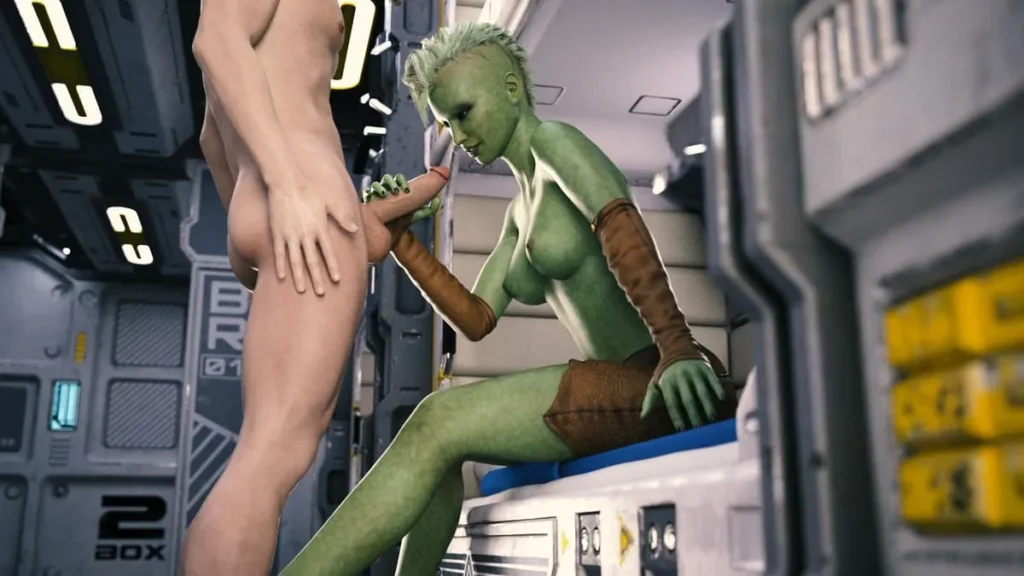
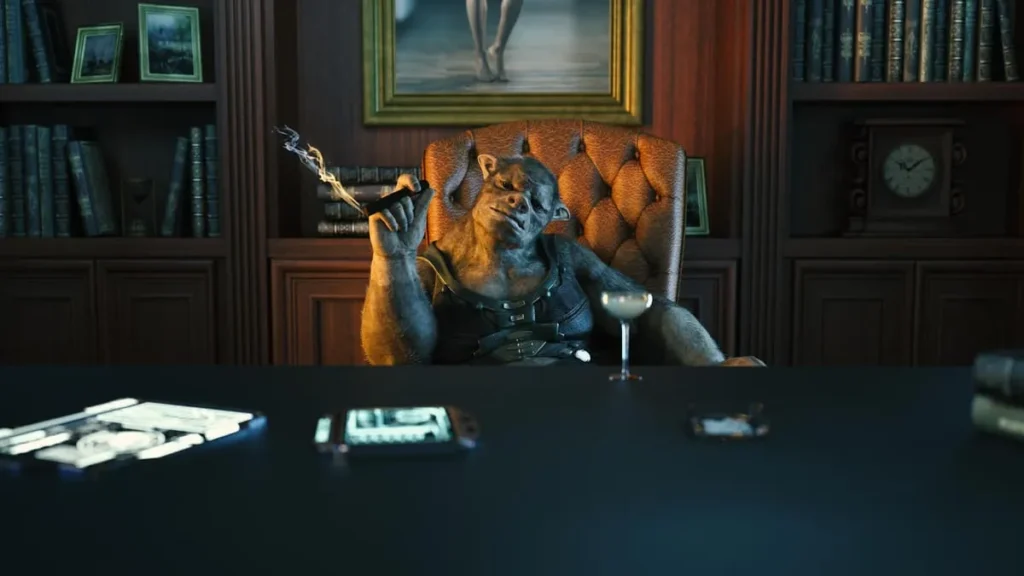
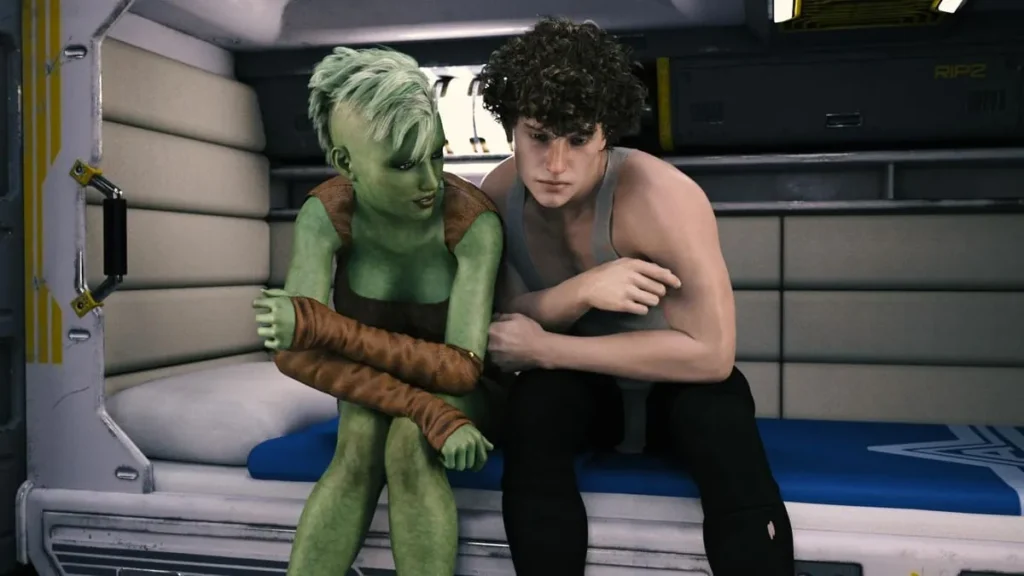


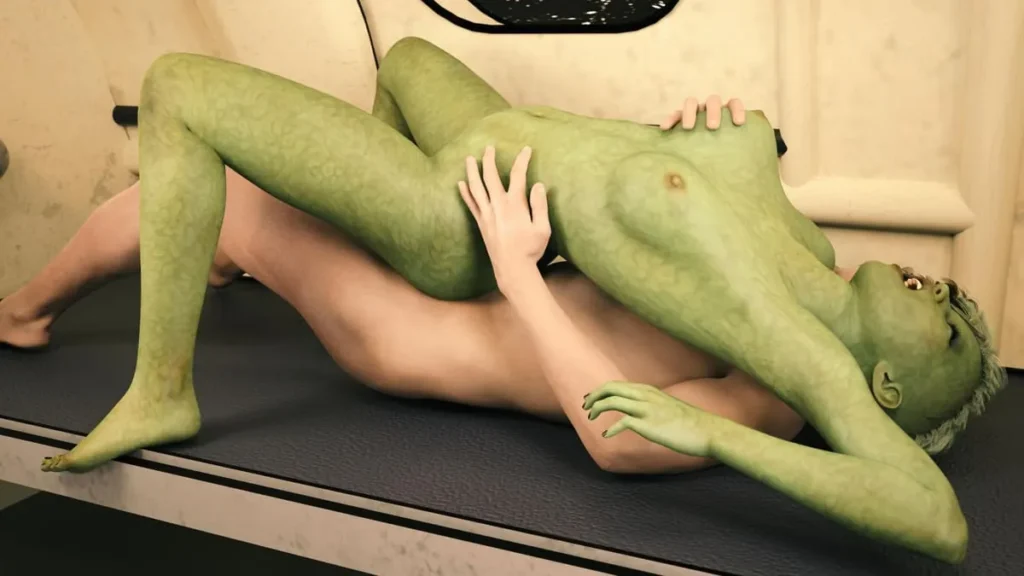





Tales from the Unending Void review
Explore storylines, characters, and gameplay mechanics in this narrative-driven adventure
Tales from the Unending Void stands out as a narrative-driven experience that combines branching storytelling with character-focused gameplay. This space-faring adventure follows a protagonist managing relationships with diverse crew members across multiple episodes and seasons. Whether you’re interested in understanding the game’s narrative structure, exploring character dynamics, or navigating the decision-making system, this guide provides essential insights into what makes this interactive experience unique. The game has evolved significantly since its initial release, with players noting both strengths in visual presentation and areas where storytelling could be enhanced.
Understanding Tales from the Unending Void: Game Overview and Core Mechanics
So, you’ve just booted up Tales from the Unending Void for the first time, and the opening cinematic fades to reveal you—a freshly minted ship captain adrift in a vast, politically charged galaxy. I remember my first click, thinking, “Okay, here we go, another space shooter.” Boy, was I wrong. Instead of a laser sight, I was handed a conversational minefield. That’s the magic trick this game pulls off: it swaps joystick jockeying for jaw-dropping decisions, making you the author of a personal space opera where every chat in the mess hall can feel as tense as a duel. This isn’t just a game; it’s an invitation to command a narrative.
At its heart, this is a narrative-driven adventure that masterfully blends the epic scale of a space opera with the intimate, granular focus of a character study. You’re not just navigating asteroid fields; you’re navigating egos, alliances, and fragile trust. The core Tales from the Unending Void gameplay loop is elegantly simple yet profoundly deep: read, relate, and react. Your primary tools aren’t weapons or warp drives, but dialogue choices and carefully considered actions that shape your relationships with a diverse, often difficult, crew. The galaxy’s fate might be in the balance, but so is your standing with the brilliant but prickly scientist or the loyal yet conflicted security officer. It’s this dual-layered tension—between cosmic stakes and personal connections—that sets this experience apart.
What Makes This Game Unique in Narrative Gaming? ✨
Let’s be real: the digital shelves are packed with stories set among the stars. What makes this journey into the void worth your time? It’s the uncompromising focus on character relationship systems as the primary engine of the plot. Many games pay lip service to “your choices matter,” but here, that phrase is the foundational code. I learned this the hard way. Early on, I consistently sided with my first officer during disputes, valuing military efficiency above all. I didn’t think much of it until, several episodes later, my chief engineer—a passionate idealist I’d repeatedly sidelined—refused a critical, off-the-books repair. The ship was in jeopardy because of a relationship I’d neglected chapters ago. That moment wasn’t a scripted failure; it was the direct, logical consequence of my own prior choices.
This is the essence of its choice-based storytelling. The branching narrative game structure isn’t about creating wildly alternate timelines from the get-go. Instead, think of it like steering a massive starship: small, consistent adjustments to the helm (your dialogue picks) gradually set you on a completely different course, unlocking unique scenes, character revelations, and potential alliances that other players might never see. Your version of the Captain is uniquely yours, defined not by a skill tree, but by a personality tree grown from every interaction.
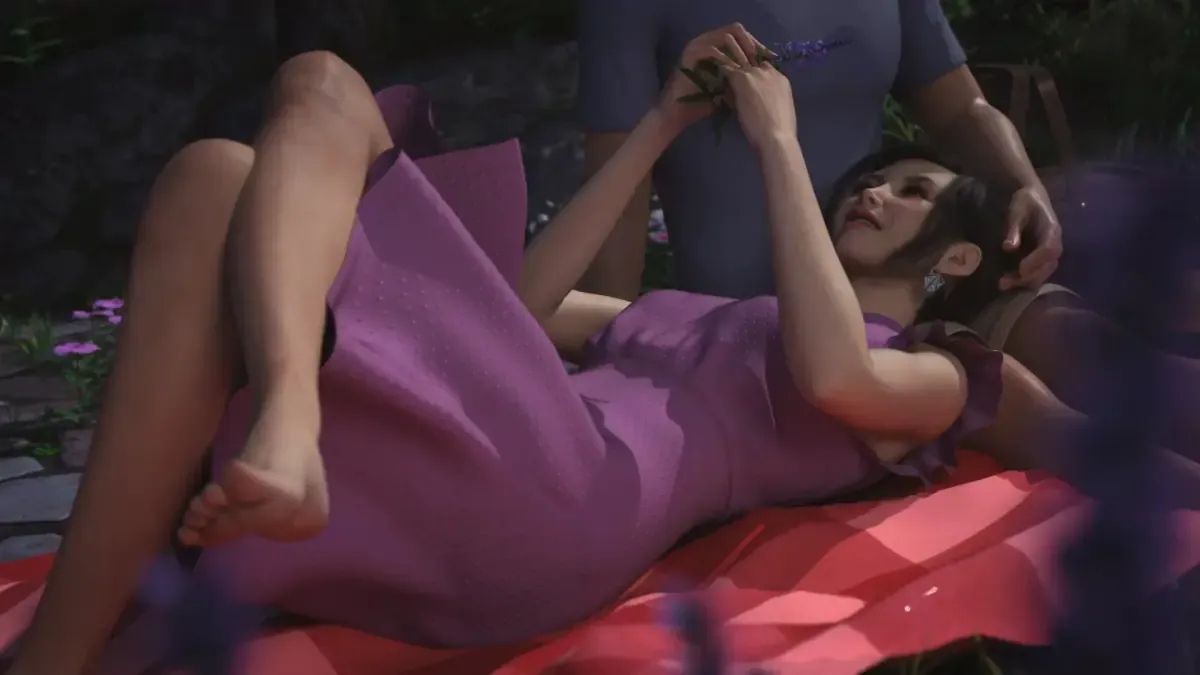
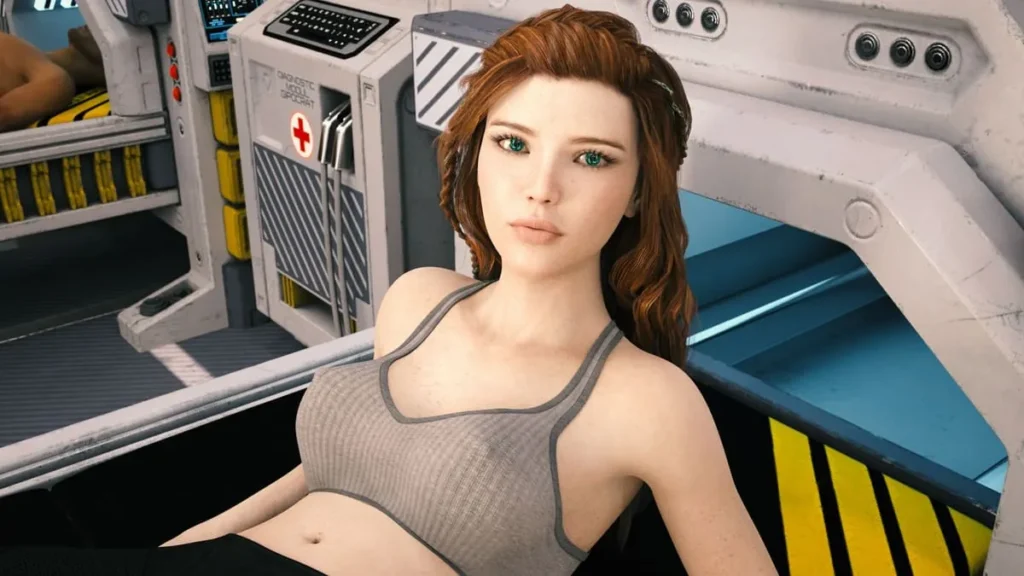
Furthermore, it boldly commits to its identity as a visual novel. There are no quick-time events masquerading as depth, no filler combat sequences to pad the runtime. The drama is the gameplay. This purity of vision allows the developers to concentrate all their effort into crafting a dense, reactive story with astonishing production values. With over 5000 high-quality renders and 250+ animations, the interactive narrative adventure feels lush and dynamic, pulling you deeper into its world with every beautifully composed scene. It’s a space game where story progression is meticulously tied to emotional intelligence, not combat rank.
How Gameplay and Decision-Making Work 🎮
Alright, let’s pop the hood and look at the mechanics. If you’re new to this genre, fear not. The Tales from the Unending Void gameplay is incredibly accessible. You’ll spend most of your time reading expertly crafted dialogue and observing stunning visual scenes. At key junctures, you’ll be presented with a list of potential responses or actions. This is where you take the wheel.
Pro Tip from a Veteran Captain: Don’t just choose what you would say. Think about what your version of the Captain would say, and what that specific crew member needs to hear. Are you a stern disciplinarian, a compassionate listener, or a pragmatic negotiator? Consistency builds believable relationships.
The visual novel mechanics are streamlined and player-friendly. You can save at any point, a crucial feature for those who love to explore every conversational branch (guilty as charged!). The interface clearly tracks your relationships, often showing you the immediate impact of a major choice on a character’s attitude toward you. This transparency is wonderful—it turns every decision into a meaningful moment of strategy. You’re not guessing; you’re actively managing the emotional landscape of your ship.
But how deep do the branches go? It’s important to set expectations correctly. This isn’t a game with five entirely different endings in Episode 1. The branching narrative game structure is more about curation than radical divergence. Your choices primarily determine which scenes you experience and how characters perceive you. For example, gaining Dr. Aris’s deep trust might unlock a poignant private scene about her past, while a player who antagonizes her would never see that moment, instead encountering a scene where she challenges your authority publicly. The overall plot moves forward on its set rails—a conspiracy must be uncovered, a threat must be faced—but the journey, the emotional context, and your available tools (i.e., which crew members are truly loyal) are entirely in your hands.
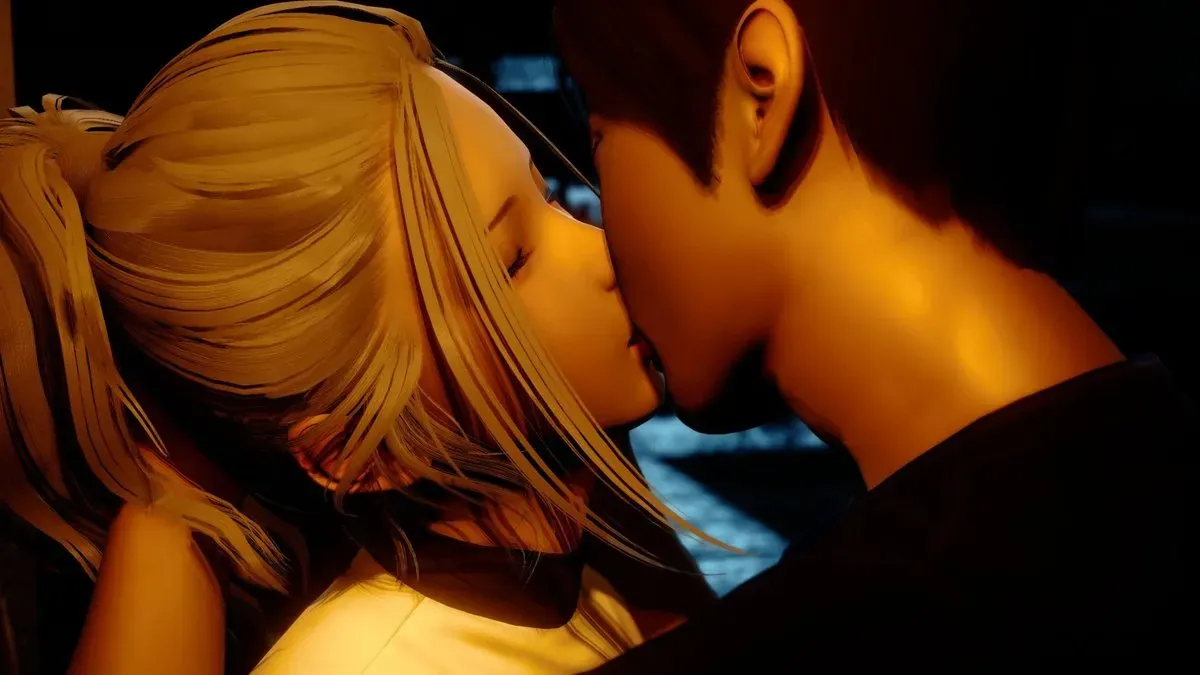
This approach creates a brilliantly effective character relationship system. Each core crew member has a detailed personality, backstory, and set of values. Your choices either align or clash with those values, moving a hidden “affinity” meter up or down. High affinity unlocks special scenes, romantic or deeply platonic pathways, and crucial support during story crises. Low affinity might lead to disobedience, withheld information, or even dramatic confrontations. It’s a constant, engaging dance of social dynamics.
To visualize how the story has evolved, let’s look at the development from Season 1 to the ongoing Season 2:
| Feature | Season 1 (Complete) | Season 2 (In Development) |
|---|---|---|
| Episodes | 12 Full Episodes | New episodes releasing periodically |
| Narrative Scope | Foundational: Establishes the crew, central conflict, and core alliances. | Expansive: Explores the consequences of Season 1 choices and introduces new factions. |
| Player Feedback Focus | Praised for strong character introductions and plot setup. | Highly anticipated for deeper romance paths and payoff for long-term decisions. |
| Content Volume | Built the vast library of 5000+ renders. | Adds new locations, characters, and animations to the existing foundation. |
| Relationship Depth | Lays the groundwork for all major character arcs. | Allows for advanced relationship states (commitment, rivalry, etc.). |
Visual Design and Character Development 🎨
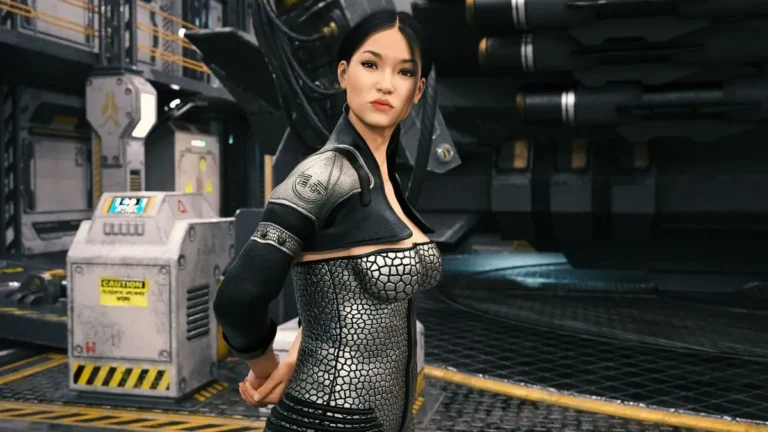
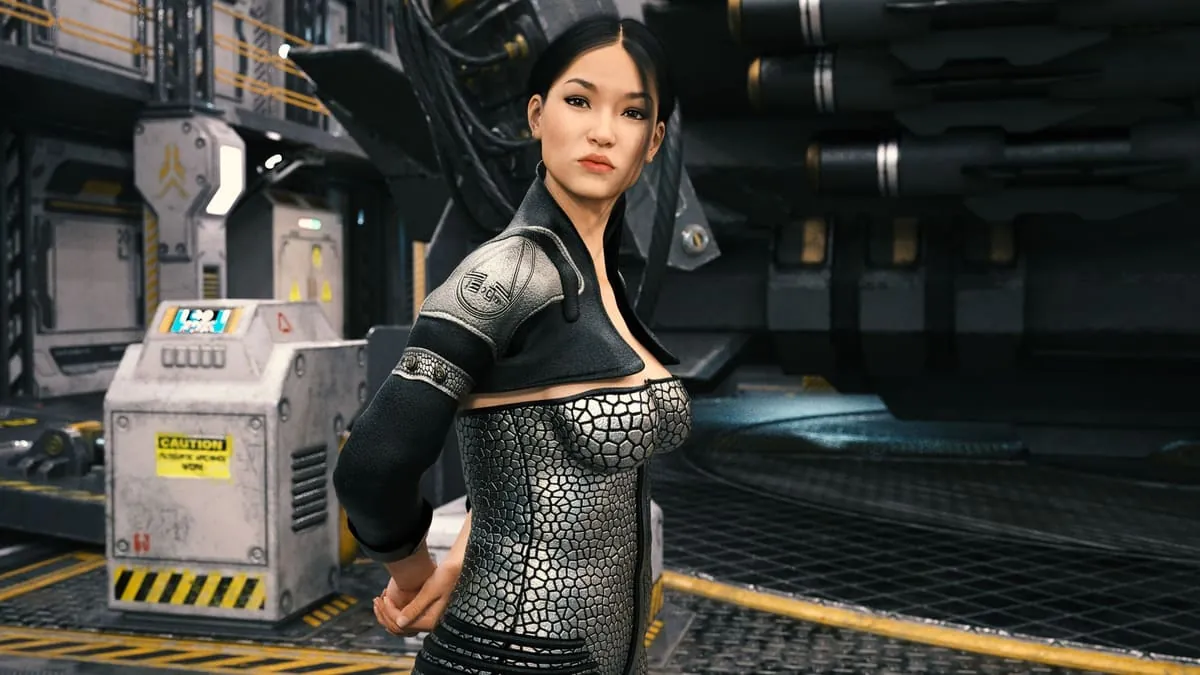
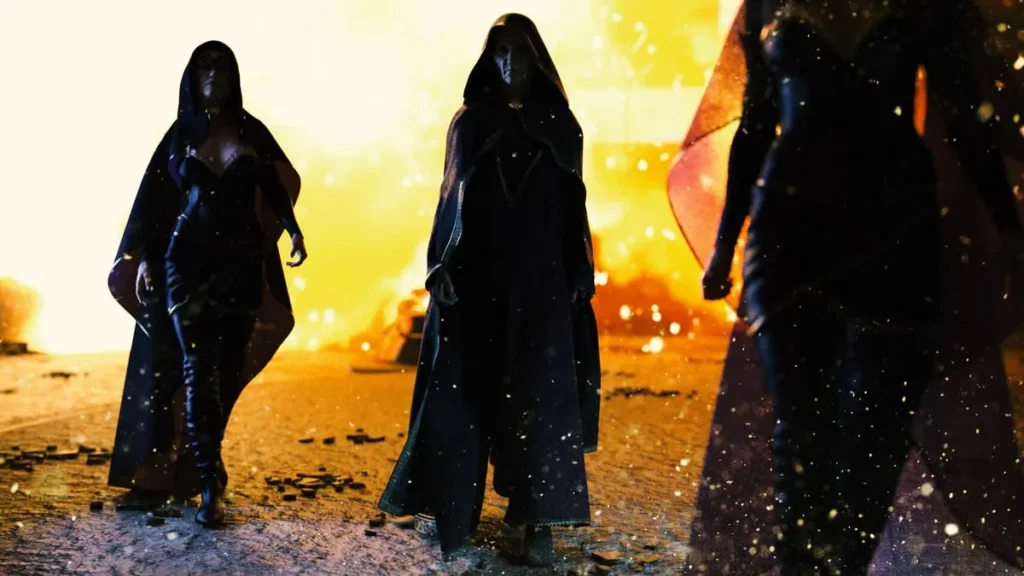
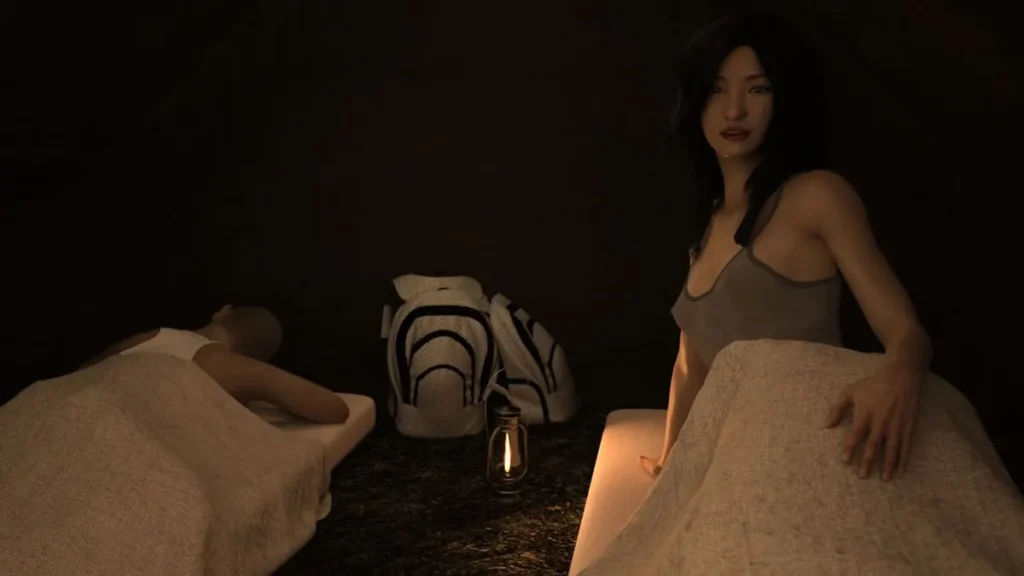
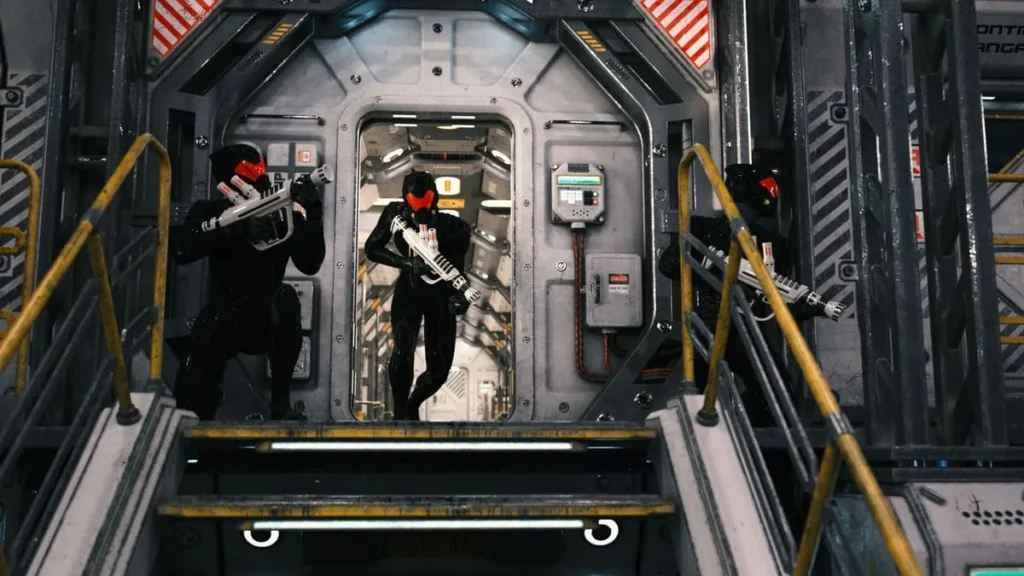
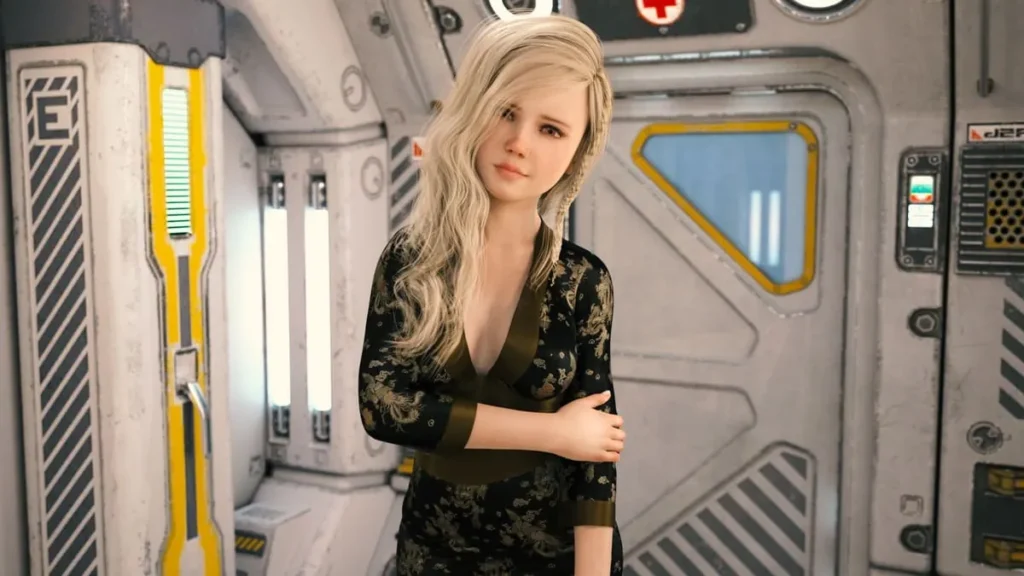
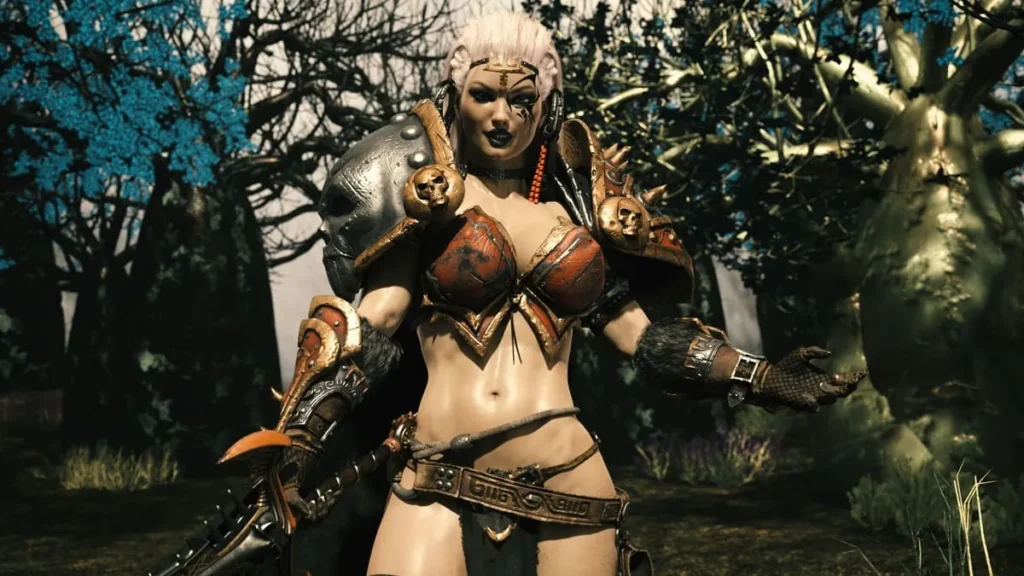
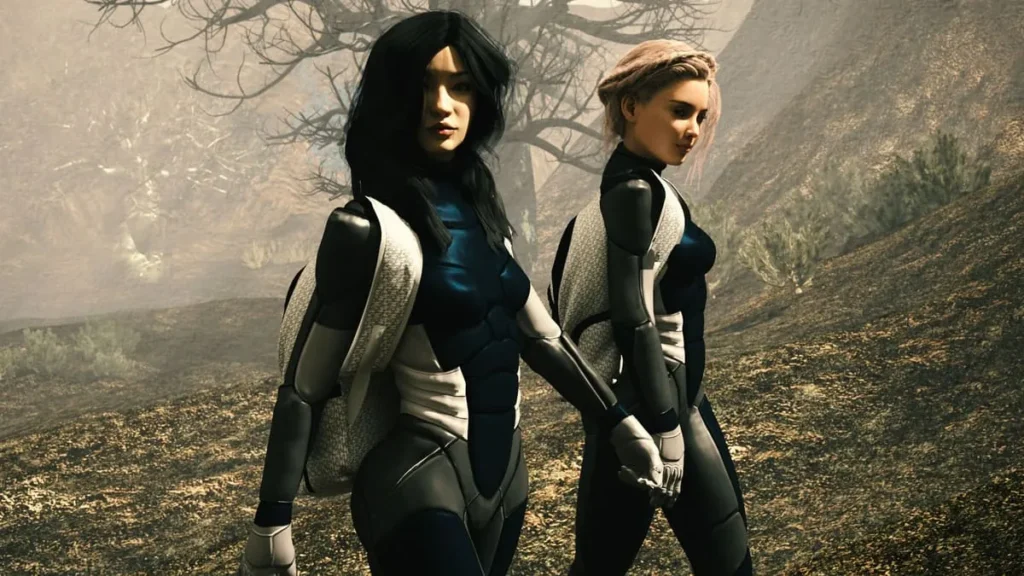
The world of Tales from the Unending Void isn’t just told; it’s vividly shown. This is where the game truly shines and justifies its label as a premium interactive narrative adventure. The visual presentation is a significant step above many of its peers. The characters are designed with a focus on realistic proportions and attire that fits their roles—you’ll find practical flight suits, detailed military uniforms, and believable casual wear, not out-of-place fantasy costumes. This grounded approach makes the world feel tangible and the characters relatable from the moment you meet them.
The character relationship system is brought to life through meticulously crafted facial expressions and body language. A slight smirk from the pilot, averted eyes from the nervous technician, a defiant stance from the marine—these subtle animations do more to sell a scene than paragraphs of text could. The 250+ animations aren’t just for show; they are essential narrative tools. A conversation can shift tone completely based on a character’s subtle shift in posture, selling the emotional weight of your choice-based storytelling.
Let’s highlight the key features that make the visual and character design so impactful:
- Realistic, Role-Appropriate Character Designs: Every character looks and dresses like a real person inhabiting this sci-fi universe, which strengthens immersion and believability.
- An Extensive, Expressive Animation Library: From a nervous hand gesture to a triumphant smile, animations are used purposefully to convey subtext and emotional states, deepening the interactive narrative adventure.
- Personality-Driven Crew Interactions: Visual cues are perfectly synced with dialogue. A character who is lying might avoid eye contact, while one who is passionate might lean forward intently, allowing perceptive players to “read” the scene.
- Decision-Based Visual Progression: Your major choices can literally change the scenery. A reconciled crew might be shown laughing together in a later render, while a divided one would be pictured separately, showcasing the visual impact of your space game story progression.
This commitment to visual storytelling means the Tales from the Unending Void gameplay is consistently cinematic. You’re not just selecting text options; you’re directing scenes in your own personal sci-fi series. The visual novel mechanics are in service to this, providing a frictionless framework to experience the drama. Player feedback consistently highlights this balance, noting that the game delivers a satisfying amount of narrative content per episode while the interactive elements—the choices—make that content feel personally earned and uniquely tailored.
Ultimately, Tales from the Unending Void understands that in the vast coldness of space, the most compelling mysteries aren’t always alien relics or cosmic anomalies—they’re the people breathing the recycled air next to you. It’s a masterclass in choice-based storytelling that proves the most complex and rewarding system to master isn’t a starship’s engine, but the human (and sometimes non-human) heart. Your journey through the void is waiting to be written, one deliberate, relationship-defining choice at a time.
Tales from the Unending Void offers a distinctive approach to narrative gaming by prioritizing character development and relationship dynamics within a space-faring setting. The game’s strength lies in its visual presentation and character design, which elevate it above many similar titles through realistic proportions and varied personalities. While the decision-making system influences which scenes and relationships players experience, the core gameplay remains focused on narrative progression rather than complex branching paths. Players appreciate the quality of storytelling and character interactions, though some have noted that Season 2 development has slowed compared to the initial release momentum. For those seeking a character-driven narrative experience with substantial visual content and relationship-building mechanics, this game provides hours of branching story content. If you’re interested in exploring this type of interactive narrative, consider starting with Season 1 to fully appreciate the character introductions and story foundation before progressing to later episodes.