
Subverse Screenshots



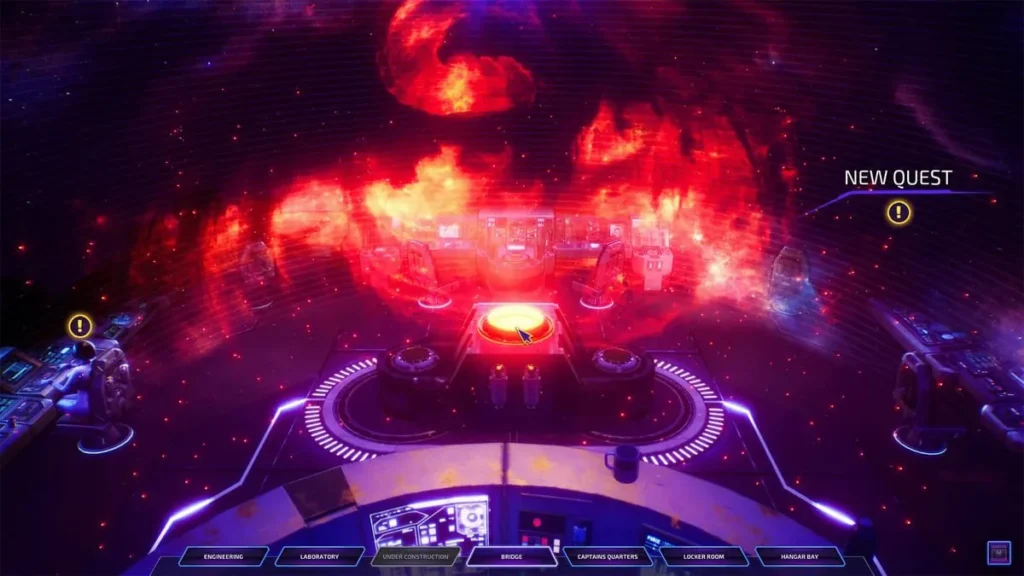
Subverse review
Explore tactics, battles, and crew bonds in this galaxy-shaking hit
Imagine commandeering a spaceship in the wild Prodigium Galaxy, battling Imperium forces while building unbreakable bonds with a crew of fierce allies. That’s Subverse in a nutshell—a thrilling mix of tactical grid combat, pulse-pounding space shooter action, and visual novel storytelling that hooked me from the first mission. Developed by FOW Interactive, this game blends deep strategy with rewarding progression, where every victory unlocks more of the captivating narrative and crew interactions. Whether you’re grinding levels or diving into the lore, Subverse delivers an unforgettable ride. Let’s break down why it’s a must-play and how to master it.
What Makes Subverse Gameplay So Addictive?
I still remember the first time I truly “got” Subverse gameplay. I’d been casually exploring the galaxy on the Mary Celeste, enjoying the story, when a mission dropped me into a seemingly impossible tactical grid combat Subverse scenario. My squad—Dem, Lily, and Killi—was surrounded by Imperium forces, their health bars blinking red. I was ready to quit and reload. But instead, I spent the next two hours obsessively planning each move, experimenting with abilities, and discovering synergies I never knew existed. When my last perfectly positioned AOE attack cleared the grid, I was physically leaning forward in my chair, heart pounding. That’s the magic hour. That’s when I realized this wasn’t just another game; it was a brilliantly layered addiction machine. 😅
So, what’s the secret sauce? Why is it so hard to put down? It boils down to a masterful blend of two distinct, satisfying gameplay loops and a crew you genuinely grow to care about. Let’s break down exactly how to play Subverse missions and why each piece is so compelling.
How Tactical Grid Combat Keeps You Hooked
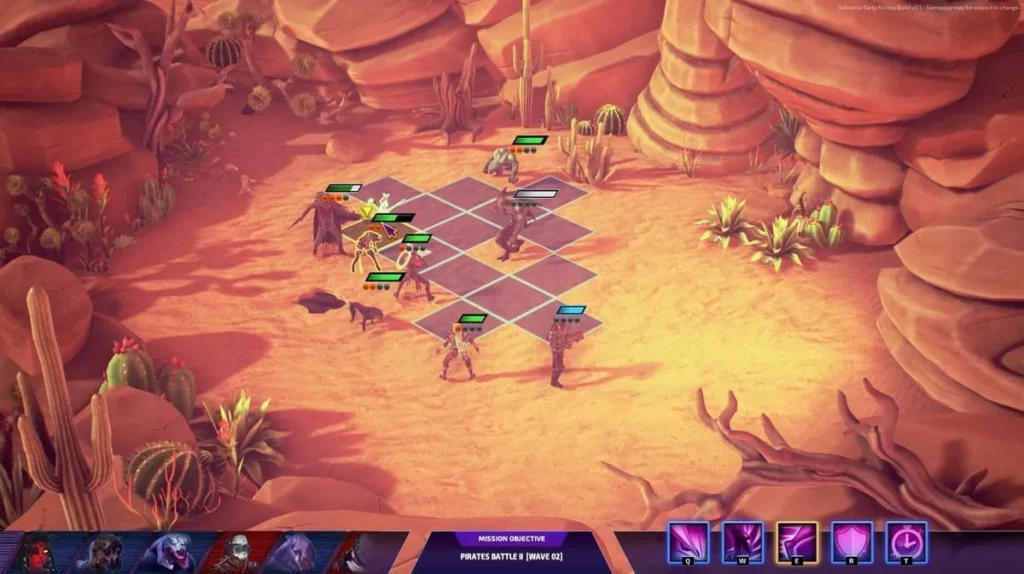
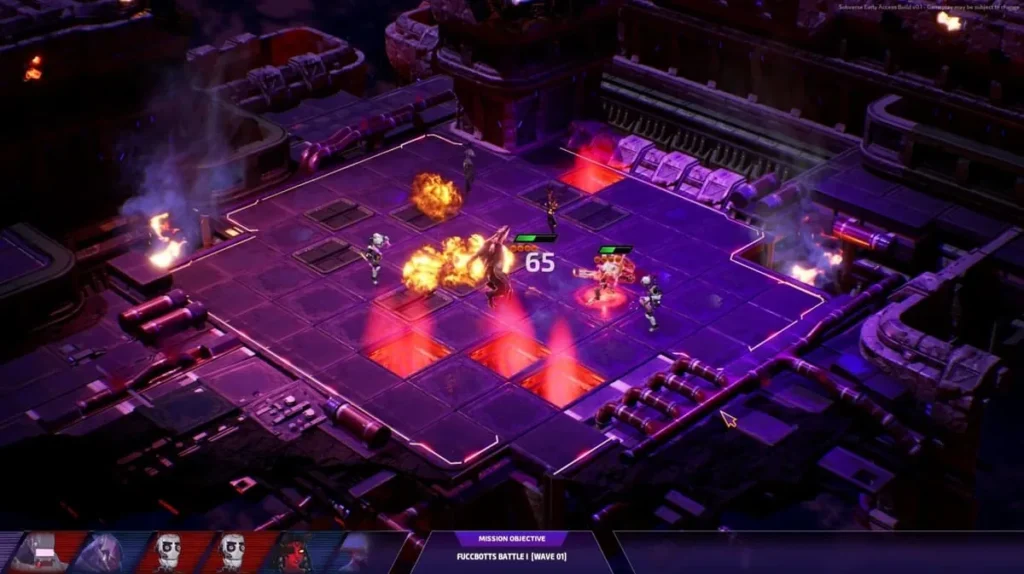
At its heart, the tactical grid combat Subverse offers is a thinking person’s playground. It’s a turn-based strategy layer where every decision matters. You command a small squad of your loyal (and delightfully personality-driven) crewmates, each occupying a tile on a grid, facing off against the Imperium’s forces.
The genius here is in the simplicity of the rules and the depth of the possibilities. Each character has a unique set of abilities:
* Dem is your frontline tank, absorbing damage and controlling space.
* Lily is a fragile but devastating magic artillery.
* Killi is a nimble assassin who can strike from the shadows.
Positioning is everything. Placing Lily on high ground boosts her damage. Keeping Dem between her and the enemy is crucial. Using Killi to flank an opponent not only deals extra damage but can set up devastating combos. This isn’t about brute force; it’s about chess with plasma rifles and psychic powers. 🧠⚡
The enemies aren’t dumb pawns either. You’ll face healers that must be prioritized, snipers that must be flanked, and brutes that require careful kiting. Developing the best Subverse combat strategies means learning each unit’s patterns and countering them. My pivotal moment came when I stopped focusing on just killing the closest enemy and started controlling the battlefield. I used Dem’s taunt to cluster foes together, then had Lily drop her most powerful area-of-effect spell right on top of them. It was a beautiful, explosive symphony of strategy.
Pro-Tip for Early Game: Your core trio of Dem, Lily, and Killi is incredibly balanced. For the first few missions, focus on learning their synergy. Use Dem to lock down threats, Killi to eliminate priority targets like enemy medics or mages, and keep Lily safe to unleash hell from the backline. This fundamental understanding is key to mastering how to play Subverse missions on the grid.
Mastering Space Shooter Missions for Big Rewards
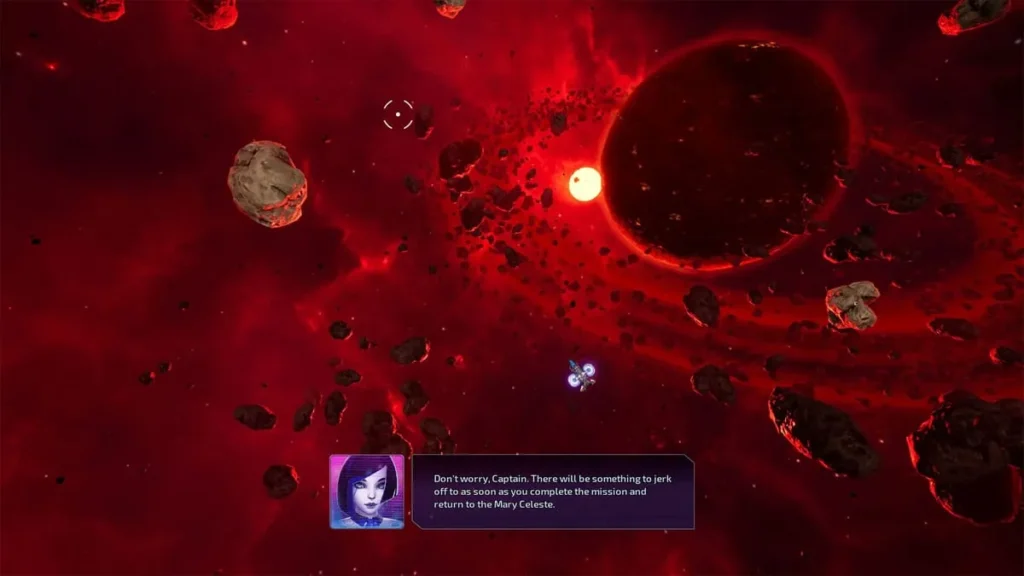
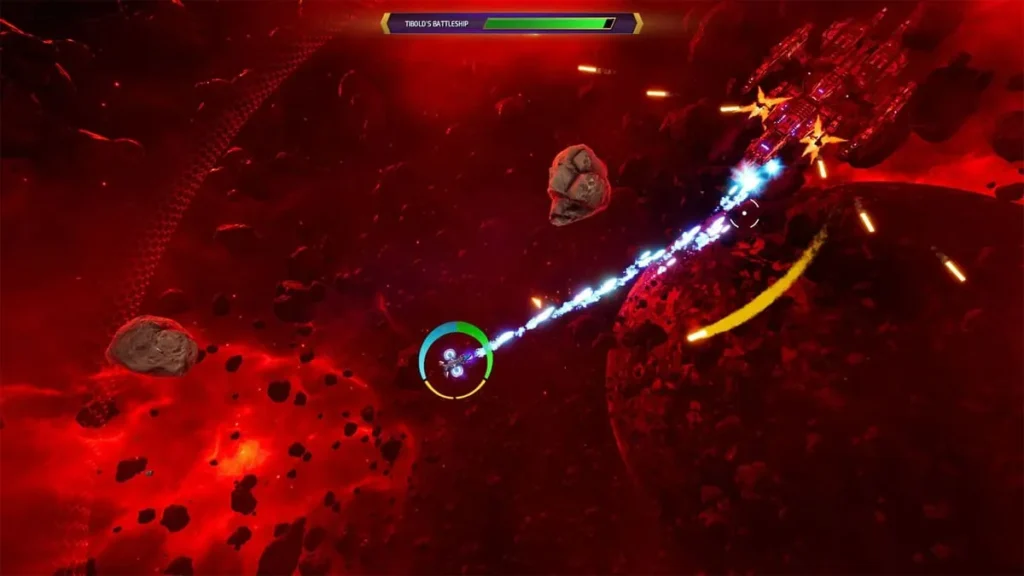
Just when you’re settled into a tactical mindset, the game brilliantly switches gears. You jump into the cockpit of the Mary Celeste’s fighter, the “Shrike,” for some pure arcade-style action. The Subverse space shooter segments are a fantastic adrenaline rush, a test of reflexes and spatial awareness as you dodge colorful bullet patterns and blast enemy squadrons to bits. ✈️💥
These sections are more than a fun diversion; they’re a vital part of progression. Your performance is graded with a star rating (1 to 3 stars), and achieving higher ratings nets you more Pandora Points and Credits—the essential currencies for Subverse ship upgrades and unlocking new story scenes. The loop is incredibly rewarding: play a shooter mission, earn a high score, get rewards, upgrade your ship, and feel noticeably more powerful for the next run.
To maximize your scores, remember:
* Movement is Key: Weave through bullet patterns. Getting hit reduces your score multiplier.
* Destroy Everything: Every asteroid, every small drone, every capital ship chunk contributes to your score.
* Use Your Abilities: Your special attacks (earned through Subverse ship upgrades) often clear screens of bullets and deal massive damage. Don’t hoard them!
To see how these two core pillars of Subverse gameplay complement each other, check out this breakdown:
| Mode | Key Mechanics | Primary Rewards | Pro-Tip |
|---|---|---|---|
| Tactical Grid Combat | Turn-based strategy, unit positioning, ability combos, cover system. | Story Progress, Crew Experience, New Abilities. | Always end your turn with units in cover. A missed shot is better than a dead crewmate. |
| Space Shooter | Real-time arcade action, bullet hell patterns, score multipliers. | Pandora Points, Credits (for ship upgrades), Materials. | Focus on survival over aggression. A alive player with a high multiplier will out-score a reckless one. |
Building Crew Loyalty Through Missions and Upgrades
This is where the game’s heart truly lies. Subverse crew loyalty isn’t just a menu statistic; it’s the emotional core that ties everything together. Your crewmates level up individually by participating in tactical grid combat Subverse missions. Gaining a level makes them stronger in battle, unlocking new, more powerful abilities for their grid kit.
But their growth isn’t confined to the battlefield. Back on the Mary Celeste, you can use the Pandora you earn to deepen your relationships, unlocking intimate story scenes and conversations that reveal their personalities, fears, and desires. Furthermore, investing Credits and materials into Subverse ship upgrades—like better engines, stronger shields, or new Shrike weapons—directly benefits everyone. A stronger ship means easier Subverse space shooter segments, which means more resources, creating a beautiful positive feedback loop. 🚀❤️
Every successful mission, every upgrade purchased, every personal interaction feeds into this system. You’re not just managing resources; you’re building a home and a family. Seeing a crewmate’s new ability turn the tide of a battle you were losing, or unlocking a special scene because you prioritized their loyalty, creates a profound sense of ownership and attachment. This blend of strategic RPG progression and personal bond is what makes the Subverse gameplay loop so uniquely sticky.
Personal Insight: Many games separate “combat” and “story.” Subverse brilliantly marries them. The bond you build in Pandora makes you care more about keeping that character safe in battle, and their heroic actions in battle make you more invested in their personal story. It’s a superior approach that makes every victory feel personal and every loss heartbreaking.
Balancing Your Approach for Maximum Fun
The ultimate best Subverse combat strategies involve knowing when to switch focus. Don’t burn out on just grid battles or just shooter segments. The game is designed as a balanced diet:
1. Progress the Story: This unlocks new grid and shooter missions.
2. Replay Shooter Missions for Ratings: Grind a bit to three-star a mission you’ve already beaten to stockpile resources.
3. Invest in Your Crew and Ship: Spend those hard-earned Points and Credits. A new Shrike laser or a crew member’s ultimate ability can completely change your options.
4. Deepen Relationships: Spend time in Pandora. The rewards are more than worth it.
This cyclical progression—fight, earn, upgrade, bond, repeat—is incredibly satisfying. It constantly gives you short-term goals (“I just need 200 more credits for that upgrade!”) within a larger, engaging narrative. You’re always working towards something tangible, whether it’s a new ability for Killi or a more powerful engine for the Mary Celeste.
Final Thought: What makes Subverse gameplay so addictive is that it respects your intelligence and your time. The tactical combat challenges your mind, the shooter sections test your reflexes, and the loyalty system captures your heart. It’s a complete package that understands why we play games: to think, to react, and to feel invested in a world and its characters.
Your Subverse Gameplay FAQ
Q: What’s the best early crew setup for grid battles?
A: Stick with Dem (tank), Lily (ranged damage), and Killi (assassin). This gives you a classic “holy trinity” foundation. Use Dem to hold the line, Killi to take out high-value targets like enemy mages or medics, and keep Lily in the back to deal massive area damage. This setup teaches you all the core mechanics of positioning and target priority.
Q: I’m struggling to get 3 stars in the space shooter sections. Any tips?
A: Absolutely! Prioritize survival over killing. Your score multiplier increases over time as long as you don’t get hit. Focus on dodging, even if it means not shooting for a second. Destroy every small environmental object for extra points. Finally, replay earlier, easier missions with your upgraded ship to practice and farm resources.
Q: How important are ship upgrades, really?
A: Incredibly important. Subverse ship upgrades aren’t just for show. They make the shooter segments significantly easier and more rewarding, which is your primary resource farm. Early on, focus on offensive upgrades for the Shrike to clear enemies faster and defensive upgrades for the Mary Celeste hull to survive longer in tougher fights.
Q: Does crew loyalty affect combat beyond new abilities?
A: While the direct combat boost comes from leveling them up in missions, increasing Subverse crew loyalty through Pandora is the key to unlocking those higher-level abilities in the first place. Furthermore, being more invested in a character’s story makes you a better commander, as you’ll naturally want to protect them and use them more strategically.
Subverse stands out as a bold fusion of strategy, action, and storytelling in the Prodigium Galaxy, where your choices as Captain shape epic rebellions and deep crew connections. From heart-pounding shoot ’em up battles to cunning tactical grids, it rewards smart play with layers of progression that kept me coming back for more. If you’re ready to overthrow the Imperium and uncover every secret aboard the Mary Celeste, grab it on Steam or GOG today—dive in, level up your squad, and experience the thrill yourself. Your galaxy awaits.