Sexbot
Play Sexbot
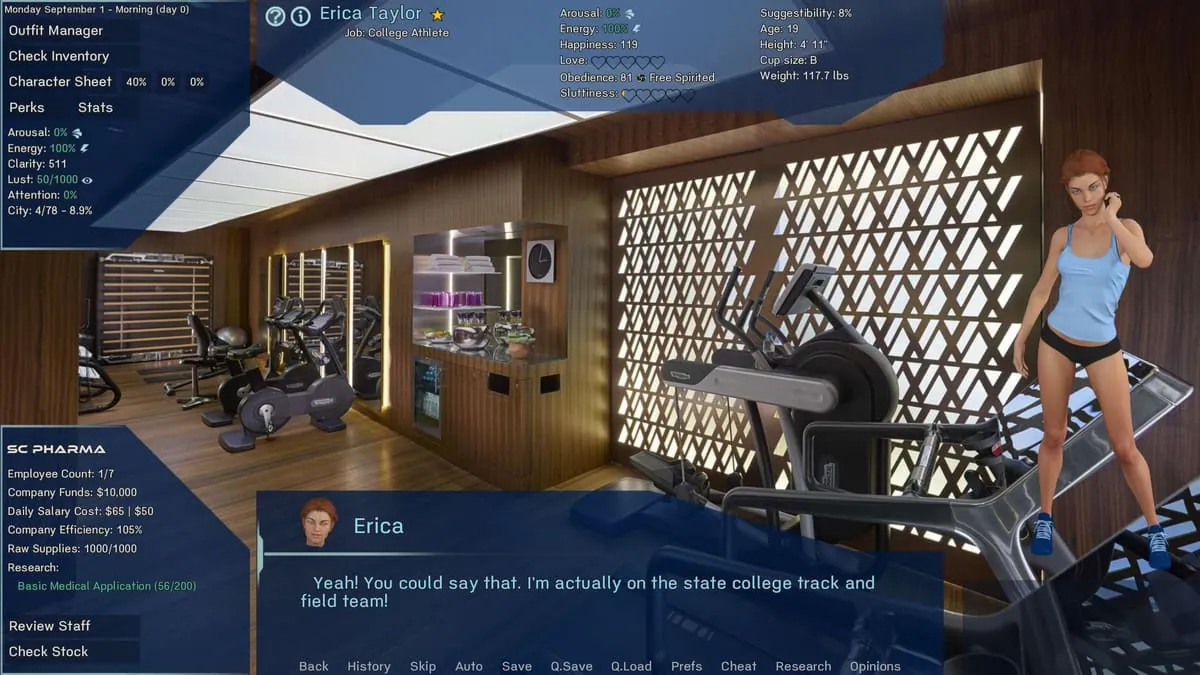
Sexbot Screenshots

















Sexbot review
Everything you need to know about adult gaming mechanics, progression systems, and interactive experiences
Adult gaming has evolved significantly over the past decade, with interactive platforms offering increasingly sophisticated mechanics and customization options. These games combine traditional gaming elements like progression systems, character development, and reward structures with mature content. Players engage with these titles for various reasons, from narrative experiences to interactive fantasy fulfillment. Understanding the mechanics, features, and community aspects of these games provides insight into a rapidly growing sector of digital entertainment. This guide explores the key elements that define modern adult gaming experiences, including gameplay progression, character customization, and how developers implement engagement mechanics.
Understanding Adult Game Mechanics and Progression Systems
Ever feel like you’re just clicking through an adult game without any real goal? 🤔 I’ve been there. You start with high hopes, but without a clear path or sense of achievement, the novelty can wear off fast. That’s where the magic of a well-crafted adult game progression system truly shines. It’s what transforms a simple visual experience into an engaging journey you actually want to complete.
At its heart, this type of gameplay mechanics adult games use is about structured desire. It takes the core principles of great game design—the kind that keeps you chasing one more level in your favorite RPG—and applies them to interactive adult content. Instead of just getting everything at once, you earn it. You build something. This framework of earning and unlocking is the secret sauce that keeps players coming back for more, turning a few minutes of curiosity into hours of invested gameplay. Let’s break down exactly how this works.
How Progression-Based Gameplay Works in Adult Games
Think about your favorite story-driven video game. You don’t start with the best weapons or the final boss; you start with a basic sword and a simple quest. Adult games, particularly ones centered around building connections, operate on the same fundamental principle. The adult game progression system is the invisible roadmap that guides your entire experience, ensuring that every interaction feels meaningful and every unlock feels earned.
This progression typically follows a clear, tiered structure. Early on, you’re in the “getting to know you” phase. Your interactions are limited to conversation, light compliments, and perhaps some casual touching. The game is teaching you its rules and setting the foundation for the relationship. As you successfully navigate these early interactions—choosing the right dialogue options, giving gifts, spending time together—you fill up a key metric: the Affection Meter. This isn’t just a number; it’s the literal key to the entire experience.
I remember playing one title where I completely ignored the suggested “date” activities, thinking I could rush ahead. Big mistake! 🚫 My companion’s mood plummeted, and I was locked out of entire story branches. It was a perfect lesson in how these player engagement systems are designed to reward patience and attentiveness, not just frantic clicking.
Here’s a typical roadmap of how this structured journey unfolds:
| Stage | Player Actions & Goals | Unlocked Features & Content |
|---|---|---|
| Foundation & Introduction | Initial conversations, learning preferences, completing simple tutorial tasks. The goal is to establish a basic rapport. | Access to casual dialogue trees, basic clothing options, and non-intimate animations like hugging or sitting together. |
| Building Rapport | Engaging in longer conversations, remembering details, giving small gifts, choosing compliments that align with the character’s personality. | New locations become available, more personal conversation topics open up, and light physical interaction like hand-holding or kissing is unlocked. |
| Deepening Connection | Successfully navigating emotional dialogue choices, completing personalized quests or favors, spending dedicated “quality time.” | The **affection meter game design** allows for more intimate clothing changes, private settings, and the initiation of undressing or more passionate kissing. |
| Intimate Exploration | Directly initiating intimate scenarios with a high enough affection score, exploring different types of stimulation in sequence. | Unlocking of specific intimate acts, often in a staged order (e.g., manual stimulation first), with increased animation complexity and variety. |
| Advanced & Varied Intimacy | Mastering rhythm-based interaction minigames, experimenting with different positions and intensities, utilizing unlocked items. | Full access to all intimate options, multiple positions, optional toys or accessories, and special “climax” animations that serve as a reward peak. |
This structured path mirrors the level-up system in RPGs. You wouldn’t expect a Level 1 character to defeat a dragon, and similarly, you can’t expect to access the most involved content without first putting in the work to build a connection. This is the core of relationship progression mechanics. It creates a satisfying arc, from strangers to intimate partners, where every step forward feels like a genuine achievement. The interactive content unlocking is the trophy for your effort.
Reward Structures and Player Engagement Mechanics
So, what actually drives you to follow that progression path? What makes you want to keep talking, gifting, and interacting? The answer lies in a cleverly engineered reward structure gaming engagement. This is the psychological engine of the game, and it’s built on the same dopamine loops that make mobile games or social media so compelling.
The most common tool in this toolkit is the Affection Meter (sometimes called a “Like,” “Love,” or “Trust” score). This visible, growing number is a constant feedback mechanism. Every positive interaction gives you a little “+10” pop-up. It’s a instant “good job!” from the game. This meter is the primary gatekeeper for interactive content unlocking. Need to see a new outfit? Reach 200 Affection. Want to move to a more private location? 500 Affection. This clear cause-and-effect is powerful motivation.
Let’s look at a practical example. In a popular game centered on a customizable partner, the reward structure gaming engagement is beautifully transparent. Early on, you earn points by:
* Choosing flattering dialogue options (+5 to +15 affection).
* Successfully completing a mini-game, like a gentle massage sequence (+25 affection).
* Giving a gift you’ve discovered they like (+50 affection).
Once you cross the 300-point threshold, a new menu option—”Suggest More”—lights up. This isn’t just a button; it’s a reward. Clicking it might unlock a new sequence of animations. But if you try to click it at 299 points? Nothing. The game reminds you, subtly, that you need to invest just a little more. This direct link between effort (building points) and reward (new content) is a masterclass in player engagement systems.
Pro Tip: Don’t just spam the same action! Most sophisticated systems have diminishing returns or even penalties for repetitive, thoughtless interaction. Variety and paying attention to your partner’s reactions are key. 😉
These systems cleverly blend different reward types:
* Intrinsic Rewards: The feeling of a deepening relationship. You get to know the character’s story.
* Extrinsic Rewards: The hard numbers (Affection points), new items, and unlocked scenes.
* Social Rewards: In games with community features, showcasing your progressed partner or unlocked outfits.
This multi-layered approach ensures there’s always something to work toward, whether it’s a personal story moment or a tangible new animation. The gameplay mechanics adult games employ here are designed to make you feel a sense of mastery. You’re not just watching; you’re learning, adapting, and being rewarded for your skill in navigating the relationship.
Character Interaction Systems and Relationship Building
This is where the digital heart of the experience beats. The relationship progression mechanics are what separate a memorable, engaging game from a static gallery. It’s not about a simple on/off switch for content; it’s about simulating the growth of a connection, which makes the eventual intimacy feel more significant and earned.
The foundation is almost always dialogue. But this isn’t just random chat. Every choice you make branches the path. A character might have different responses to a “flirty” comment versus a “caring” one. Some games track more than just a generic affection score; they might have hidden stats for “Playfulness,” “Romance,” or “Dominance” that influence which scenes you can access later. This complexity means your playthrough can be unique. On my second run through a certain game, I chose more assertive dialogue, and it completely changed the tone of the later encounters I unlocked—it felt like a different story!
Beyond talking, interaction systems often include:
* Touch-Based Minigames: These require active participation, like following a rhythm or gently moving your cursor. Success boosts affection; failure might lower it or end the scene. This adds a layer of physical skill to the emotional connection.
* Gift & Economy Systems: Earning in-game currency to buy gifts, outfits, or room decorations. The right gift can give a huge affection boost, while a wrong one might be politely ignored. This encourages you to learn and remember your partner’s preferences.
* Memory & Consistency: Advanced systems remember your past choices. Referencing something you talked about earlier in a later conversation can yield special bonus points, reinforcing the illusion of a real, growing relationship.
All these systems feed back into the core adult game progression system. They provide multiple avenues to fill that affection meter and deepen the bond. The affection meter game design is crucial here—it must be sensitive enough to feel responsive to your actions but robust enough to require genuine time investment. It’s the quantifiable proof of your relationship’s growth.
Ultimately, these mechanics work together to create a powerful sense of agency and investment. You’re not a passive observer; you’re an active participant shaping a dynamic experience. The relationship progression mechanics ensure that the journey to intimacy is as engaging as the destination itself, leveraging proven player engagement systems to create a deeply satisfying loop of interaction, reward, and interactive content unlocking. This structured approach to desire and discovery is what makes modern adult gaming a uniquely compelling interactive experience.
Adult gaming represents a significant and rapidly evolving sector of digital entertainment, characterized by sophisticated progression systems, extensive customization options, and diverse monetization models. These games leverage traditional game design principles—including reward structures, player progression, and engagement mechanics—to create compelling interactive experiences. The industry continues to grow through crowdfunding platforms and subscription services, enabling developers to create increasingly complex and feature-rich titles. Understanding these games requires examining both their mechanical foundations and the broader ecosystem that supports their development and distribution. As technology advances, particularly with AI integration, these platforms will likely continue to evolve, offering new possibilities for player interaction and customization. Whether you’re a player exploring these games or someone seeking to understand this entertainment sector, recognizing the design principles and community aspects provides valuable insight into modern digital entertainment trends.