Love at First Tail
Play Love at First Tail
Love at First Tail Screenshots
Love at First Tail review
A comprehensive guide to the indie visual novel featuring emotional storytelling and character development
Love at First Tail is an indie visual novel that has garnered attention for its surprisingly wholesome narrative combined with mature themes. Developed by MrDracosaurus, this game stands out in its genre by delivering compelling character development, particularly through its exploration of trauma recovery and domestic healing. Players take on the role of a protagonist who encounters Hana and Rina, two characters with complex backstories, and must navigate meaningful relationships while uncovering deeper story elements. The game balances adult content with genuine emotional depth, offering players a unique experience that transcends typical genre expectations. Whether you’re interested in the narrative structure, character arcs, or gameplay mechanics, this guide explores what makes Love at First Tail a notable entry in indie gaming.
Story, Characters & Narrative Depth
When you first boot up Love at First Tail, you might expect a certain kind of experience. The premise—a chance encounter with a mysterious, injured fox-girl in the woods—could lead anywhere. But within minutes, the game disarms you. It’s not about grand adventures or flashy mechanics; it’s about the quiet, profound act of listening. The Love at First Tail story immediately pulls you into a world where every glance, every hesitant word, and every shared silence carries weight. I remember settling in, thinking I was in for a light romantic visual novel, only to find my heart completely invested in the fragile lives of characters bearing invisible scars. This guide dives deep into that narrative richness, exploring how its characters and themes create an unforgettable journey. 🦊❤️
Main Characters and Their Development Arcs
At its core, the Love at First Tail characters are not just archetypes; they are beautifully broken individuals yearning for connection. You step into the worn shoes of the protagonist, a kind-hearted soul who stumbles upon Hana, a fox demi-human, wounded and hiding. As the player, you’re intentionally kept in the dark, mirroring the protagonist’s own knowledge gap. You know nothing of their pasts, their fears, or the rules of this world, which makes every revelation feel earned and intimate.
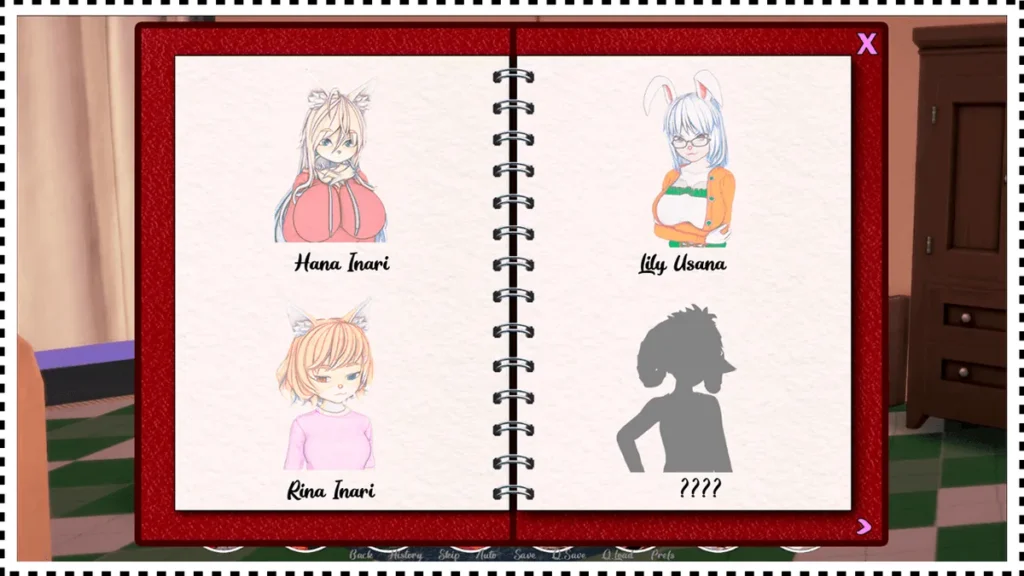
Let’s meet the central cast that makes this story so compelling. Below is a quick overview before we delve into their intricate journeys.
| Character Name | Role | Key Characteristics |
|---|---|---|
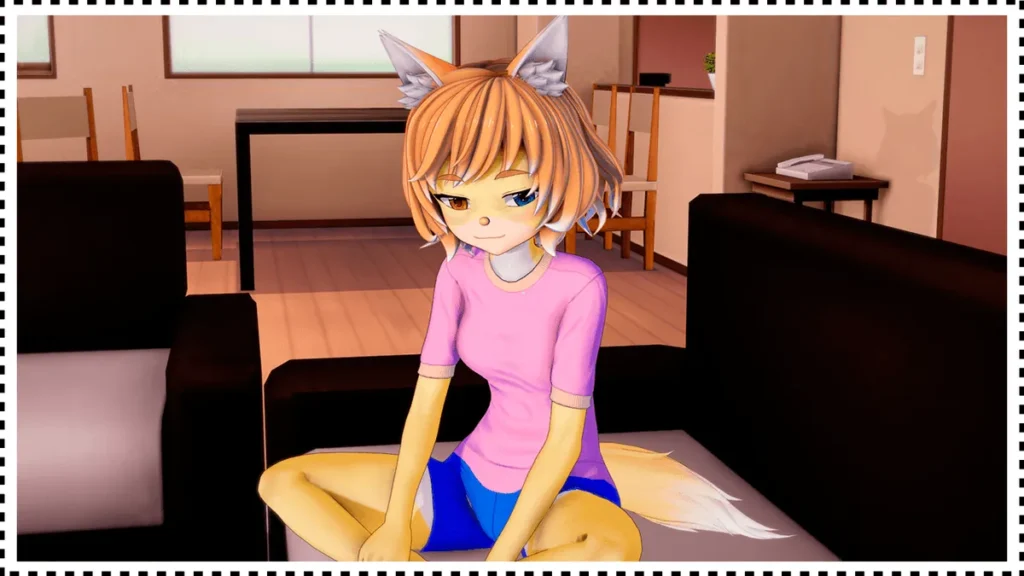
| Hana | The injured fox-girl; central romantic interest | Guarded, trauma-scarred, deeply compassionate, fearful of touch, loves sweets |
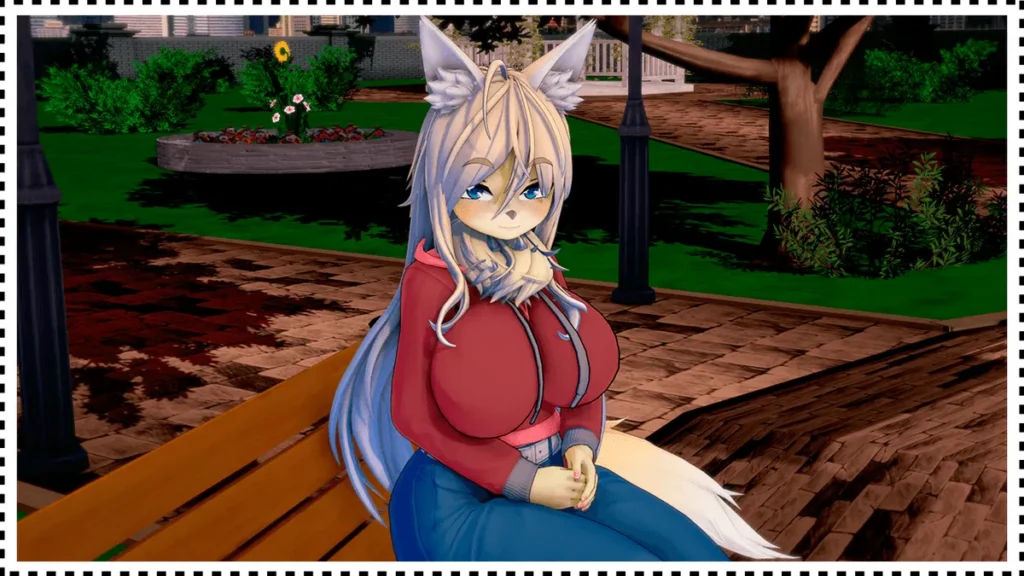
| Rina | The other primary character; a knowledgeable friend | Protective, sharp-witted, secretly vulnerable, acts as a guide and confidante |
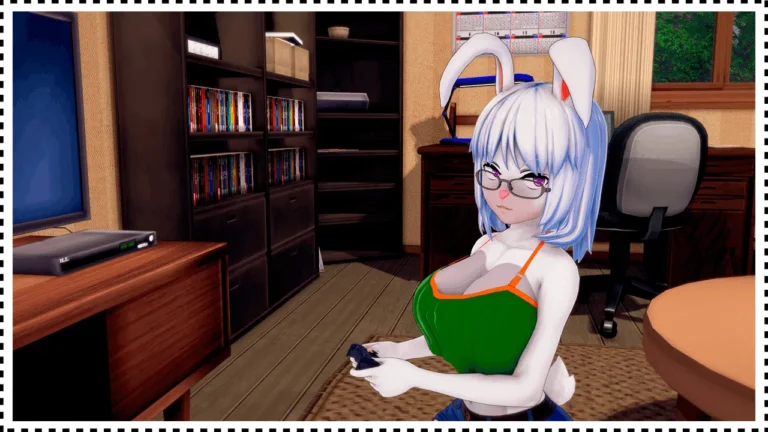
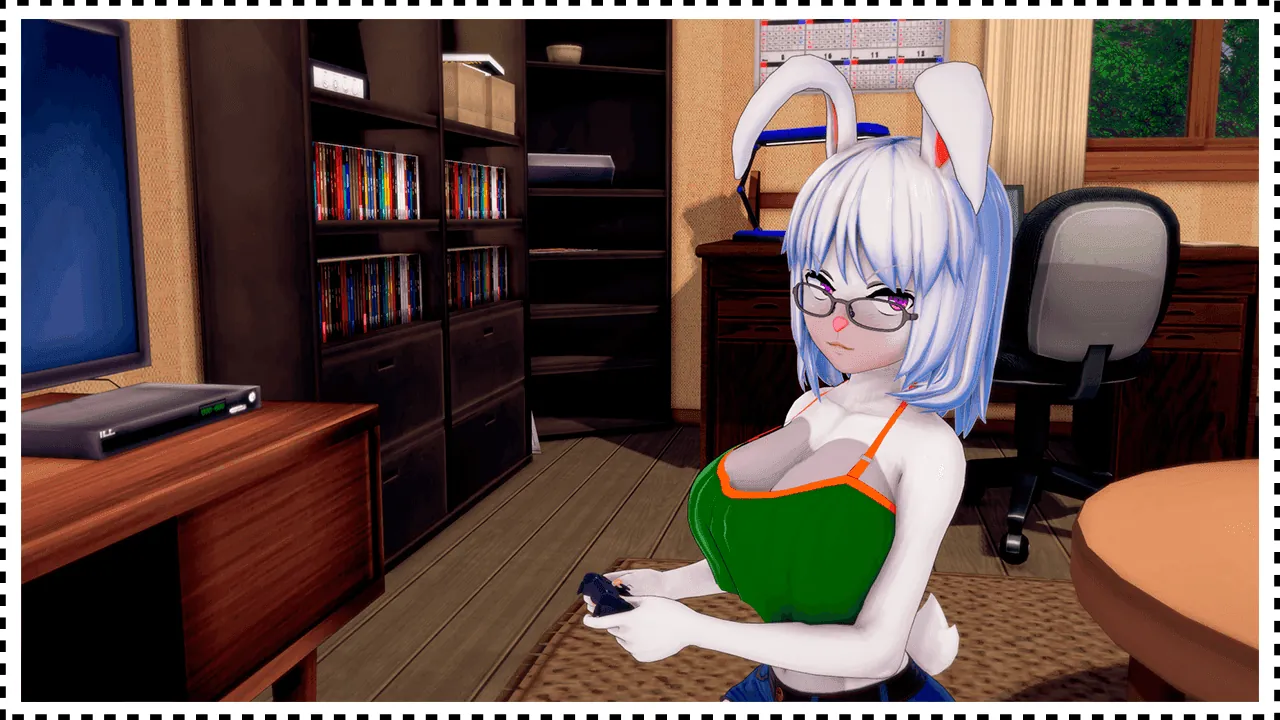
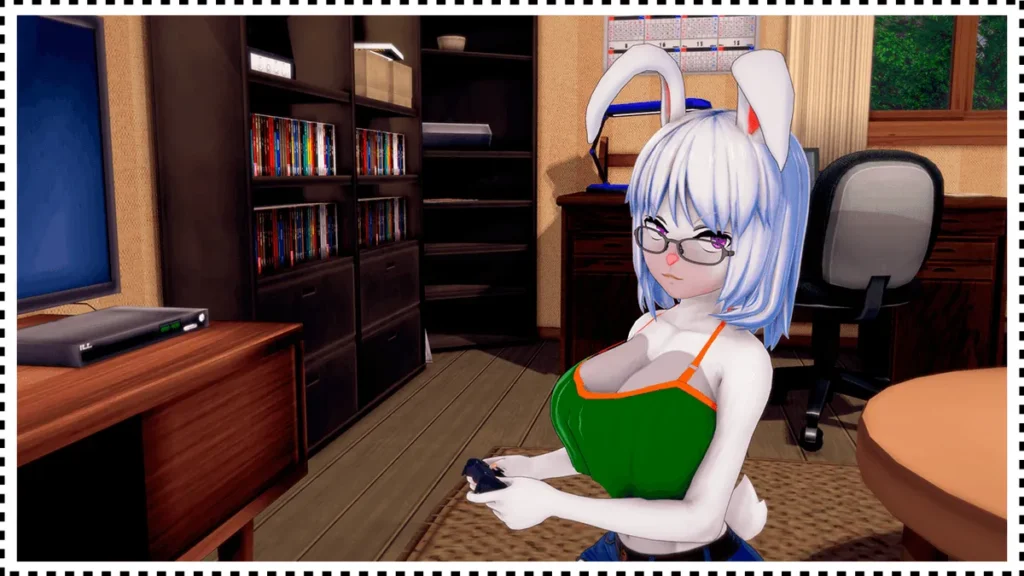
| Lily | The rabbit-girl with horns | Energetic, bubbly, source of levity, hides her own worries behind optimism |
| Billy | The male demi-human character | Gentle giant, stoic, offers a different perspective on strength and recovery |
Now, let’s talk development. The Love at First Tail character development is masterfully paced and tied directly to your actions. Take Hana, for instance. The Love at First Tail Hana character arc is the game’s emotional backbone. Initially, she’s a flinch away from any sudden movement. Her “Actions” menu—options like “Talk,” “Offer Food,” or “Headpat”—is literally locked. I learned this the hard way; I tried to reach out too soon and was met with a terrified recoil that made my own heart ache. 🥺
It’s only through consistent, patient kindness that her menu unlocks. The first time you successfully give her a headpat, without her shrinking away, feels like a monumental victory. This mechanic isn’t a gimmick; it’s a direct metaphor for building trust with someone suffering from trauma. Her reactions to compassion are layered. Offer her a strawberry daifuku, and you might see a fleeting, genuine smile before her guard slips back up. Cause an accidental mishap, like dropping a plate, and her response isn’t anger—it’s a conditioned panic, a fear of punishment that speaks volumes about her past.
Rina’s development is equally nuanced. She serves as your bridge to understanding this world, but her helpful exterior cracks over time. Through carefully chosen dialogue options, you learn she carries her own burdens, often putting others before herself. Your choices here don’t just affect a relationship meter; they determine whose confidences you earn and what facets of their pain you’re allowed to see.
Lily and Billy provide crucial support to this emotional storytelling. Lily’s cheer is a balm, but late-night conversations reveal she uses it as a shield. Billy’s strong, silent presence offers a different model of resilience. Helping him open up, often through side activities like simple chores, reinforces the game’s theme that healing happens in community, not isolation.
The player’s agency is real but respectful. You can’t force progress. Pushing a character too fast leads to them shutting down, a brilliant design choice that teaches empathy. The Love at First Tail narrative themes of trust and patience are baked into the very gameplay.
Themes of Trauma and Emotional Healing
If the characters are the heart, the themes are the soul. Love at First Tail tackles trauma recovery and the aftermath of domestic abuse with a sensitivity that left me, frankly, in awe. It doesn’t use these themes for shock value or melodrama. Instead, it explores the daily, exhausting work of healing—the nightmares, the triggers, the struggle to accept basic kindness.
The Love at First Tail story excels because it shows trauma, rather than just telling it. You don’t get a dramatic flashback scene of Hana’s abuse upfront. You piece it together through subtle clues: the way she apologizes profusely for minor things, how she instinctively covers her head, her disproportionate fear of angry voices. One of the most powerful moments for me was when Hana, after weeks of in-game time, finally narrated a memory in fragmented, hesitant sentences. The game didn’t show the violence; it focused on her face, her voice breaking, and the relief that followed sharing it. This approach makes the Love at First Tail emotional storytelling profoundly respectful and impactful. 😔✨
The game’s perspective is key to this. You, as the protagonist, are also healing in your own way—from loneliness, from a sense of purposelessness. This creates a beautiful parallel. You aren’t a white knight saving a damsel; you’re two wounded people learning to lean on each other. The knowledge gap works both ways; just as you don’t know Hana’s past, she doesn’t know yours. This mutual discovery fosters a truly equal partnership.
Love at First Tail narrative themes extend beyond the central couple. Rina’s story explores the trauma of being a protector who feels they failed. Lily’s narrative touches on the pressure to always be okay for everyone else. Billy’s arc deals with the shame associated with perceived weakness. The game argues that recovery isn’t linear or pretty. It’s messy, it’s slow, and it requires a safe space—which your home gradually becomes.
This is where the gameplay mechanics serve the theme perfectly. Unlocking Hana’s “Actions” by building trust is a direct engagement with trauma recovery. Every positive interaction is a step forward; every misstep is a lesson in consent and patience. The game teaches you to be mindful, turning the player into an active participant in the healing process, not just a passive observer.
How the Game Balances Mature Content with Storytelling
Here’s the twist that surprises most players: despite its “Mature” rating, Love at First Tail is one of the most wholesome experiences you’ll have. 🥰 The maturity doesn’t come from gratuitous content; it comes from the emotional and psychological maturity with which it handles difficult subjects. It subverts expectations entirely. You come in braced for certain tropes, and instead you find a tender, life-affirming story about building a family from broken pieces.
The mature content is almost entirely contextual and psychological. The game earns its rating through its unflinching but compassionate discussion of abuse and its aftermath, not through explicit imagery. The intimacy it builds is emotional. A scene where Hana finally feels safe enough to fall asleep leaning against you is more powerful than any traditional “romantic” scene could be. The writing is exceptional—dialogue feels natural, fraught with subtext, and always serves the narrative purpose of revealing character or advancing healing.
Character interactions are the main event. A conversation with Rina over tea can unveil a world of regret. Helping Billy repair a fence becomes a silent lesson in steady, reliable support. The dialogue quality ensures that every line feels intentional, revealing layers of personality and history. This focus makes the world feel alive and the relationships authentic.
“I went into Love at First Tail thinking I knew what to expect, given the rating and visuals. I was so wrong. It’s the most heartwarming, gentle game I’ve played in years. It deals with dark themes, but the overall message is one of incredible hope and kindness. It’s a hug in video game form.” – A player’s heartfelt testimonial.
This testimonial captures the universal surprise. The game’s wholesomeness is deliberate. It shows that stories about trauma don’t have to be bleak; they can be about the light that comes after. The Love at First Tail characters find joy in small things: baking a cake together, tending a garden, sharing a quiet moment watching the rain. These moments of normalcy are presented as the ultimate victory over their pasts.
Balancing this tone is a tightrope walk, and the game never stumbles. The Love at First Tail story maintains its gentle pace and affirming core without ever minimizing the gravity of its themes. It’s a masterclass in how to handle mature content with integrity, proving that true emotional depth comes from empathy and character development, not shock value. By the end, you’re not just satisfied with the endings you’ve helped shape; you feel like you’ve grown alongside them, learning lessons about patience, kindness, and the quiet courage it takes to heal. 🌈
Love at First Tail represents a meaningful entry in indie visual novel gaming, distinguished by its commitment to authentic character development and emotional storytelling. The game successfully balances mature themes with genuine narrative depth, offering players an experience that transcends typical genre conventions. Through carefully crafted character arcs, particularly Hana’s psychological journey, and thoughtful exploration of trauma recovery, the game demonstrates that adult content and meaningful storytelling are not mutually exclusive. The community’s overwhelmingly positive reception reflects appreciation for a game that respects player intelligence and emotional investment. Whether you’re drawn to the compelling narrative, the well-developed characters, or the surprising wholesome elements, Love at First Tail offers a unique gaming experience that challenges expectations and delivers genuine emotional resonance. For those seeking a visual novel that combines engaging gameplay mechanics with substantive character exploration, this indie title deserves consideration.