Grandma’s House
Play Grandma’s House
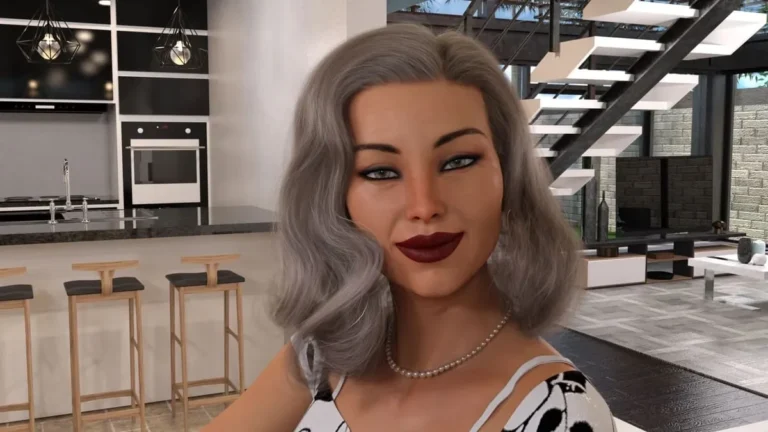
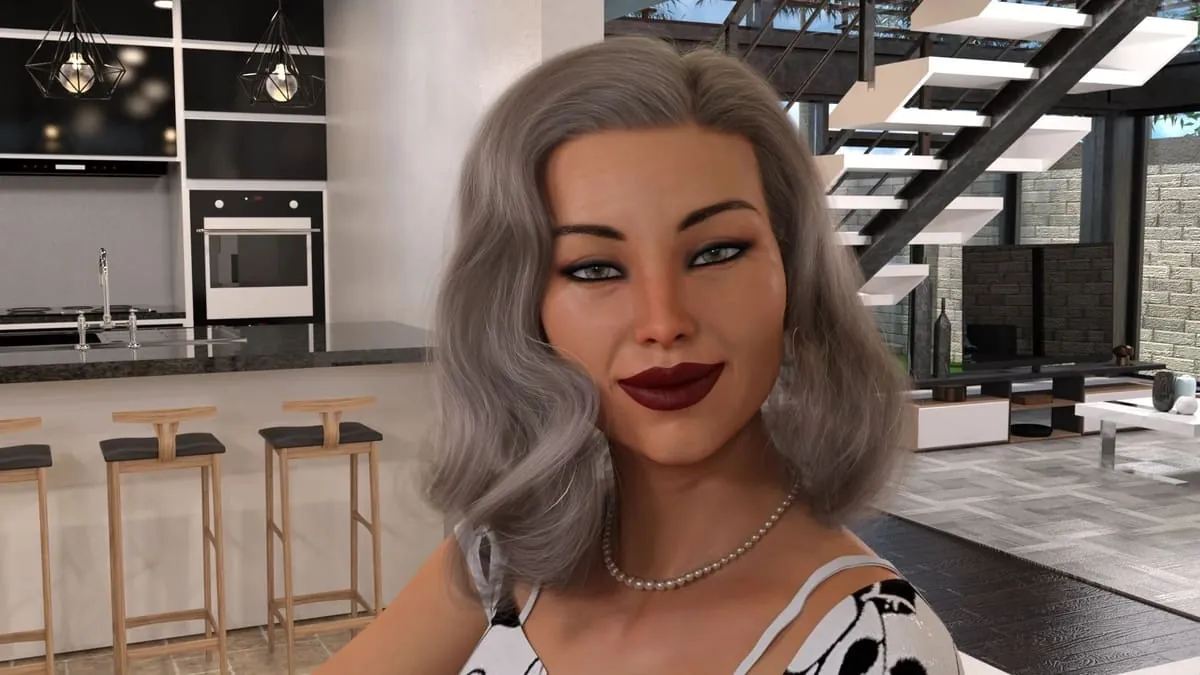
Grandma’s House Screenshots

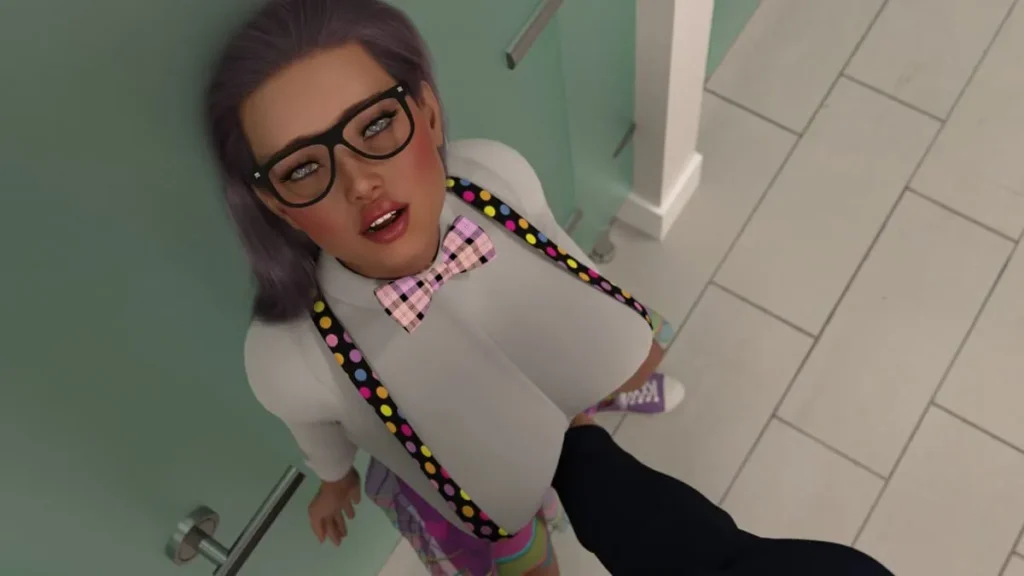





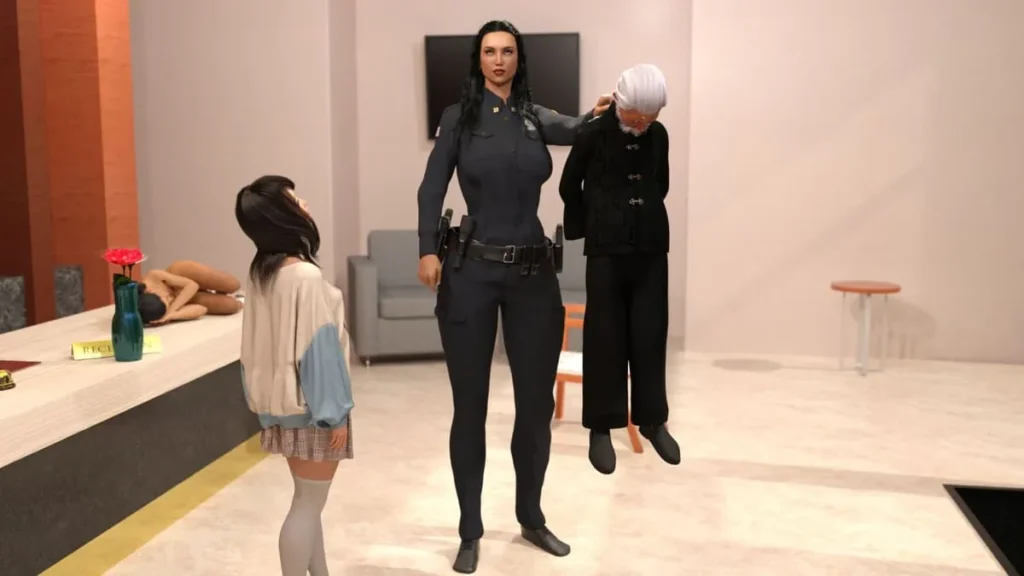






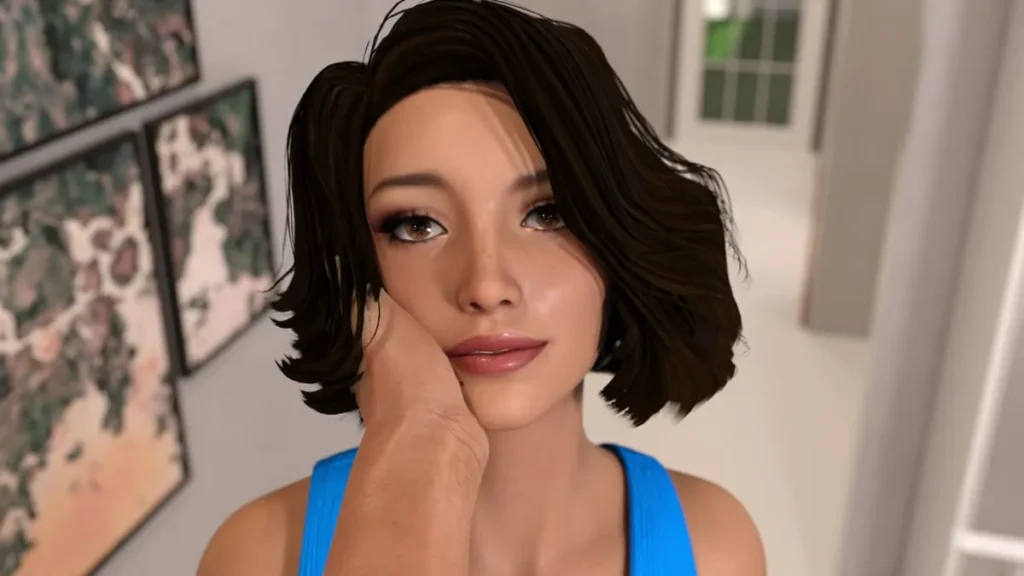

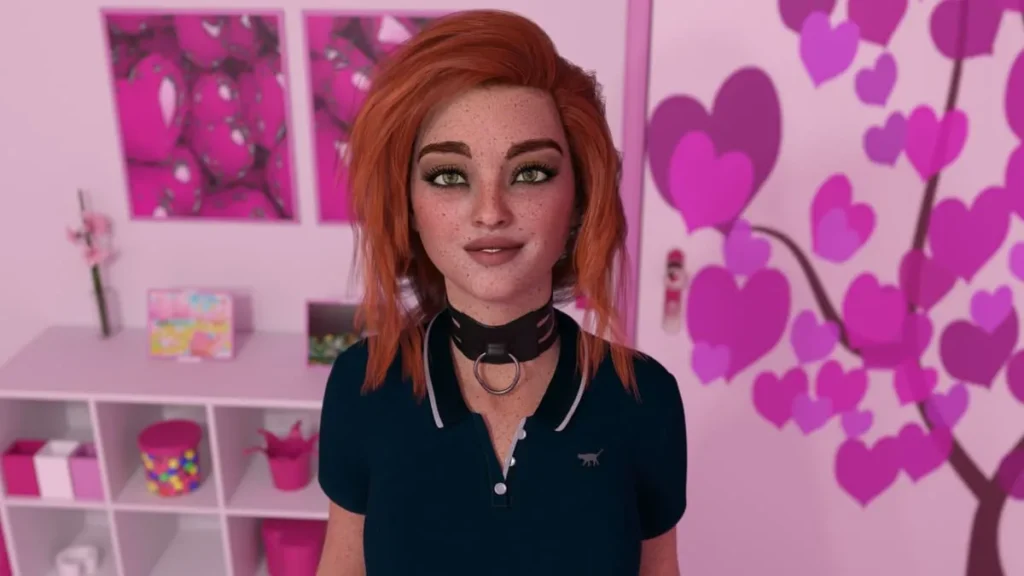

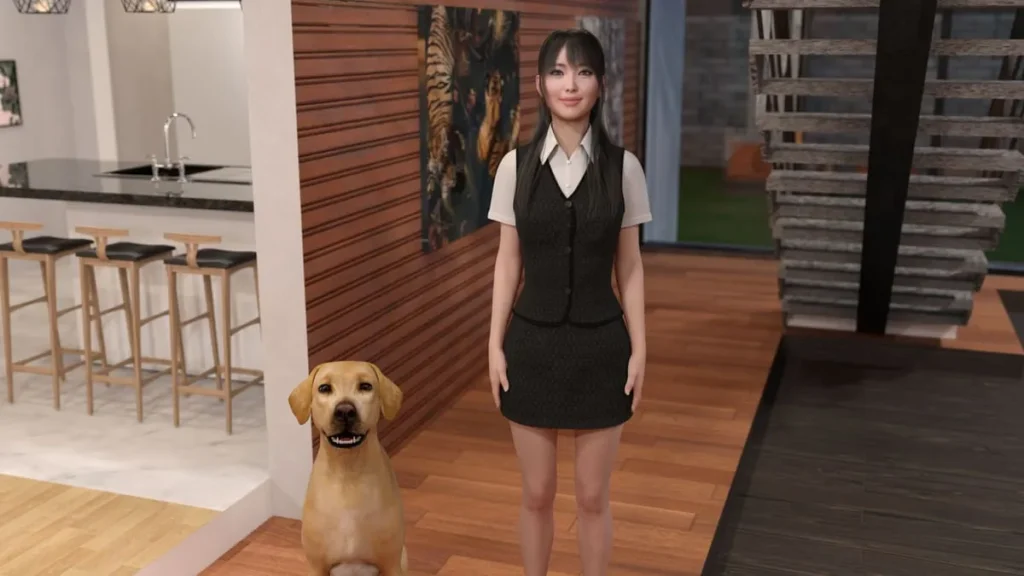



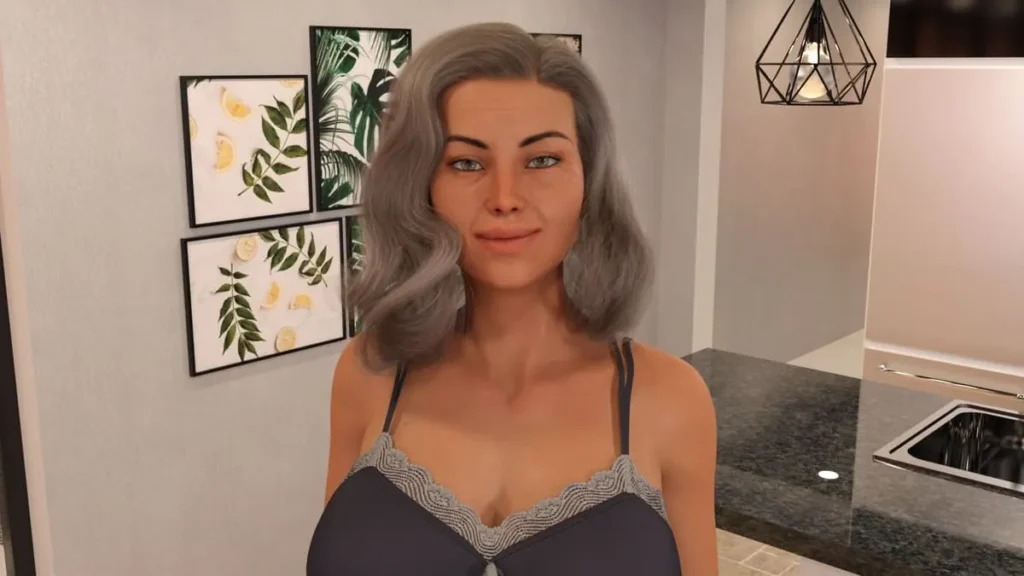



Grandma’s House review
Explore the storyline, characters, and gameplay mechanics of this narrative-driven adult visual novel
Grandma’s House is a narrative-driven adult visual novel developed by MoonBoxGames that has gained recognition within the AVN community for its character-driven storytelling and relationship-building mechanics. Unlike many games in the genre that prioritize immediate gratification, this title emphasizes gradual character development and meaningful choices that impact the overall narrative. Players navigate complex relationships with multiple characters, each with distinct personalities and story arcs. The game stands out for its thoughtful approach to pacing, allowing relationships to develop naturally rather than forcing rapid progression. Whether you’re interested in the gameplay mechanics, character dynamics, or the overall narrative structure, this guide provides comprehensive insights into what makes Grandma’s House a notable entry in adult gaming.
Understanding Grandma’s House: Game Overview & Core Mechanics
So, you’ve arrived at Grandma’s House. 🏡 The sun is warm, the lemonade is sweet, and the porch swing creaks with the promise of long, lazy afternoons. But if you think this is just another adult visual novel where you click through a few dialogues to get to the “good stuff,” you’re in for the most beautifully surprising narrative experience of your gaming life. This isn’t a sprint; it’s a slow, heartfelt stroll through a garden of complex characters and their stories.
The magic of Grandma’s House game mechanics lies in their patience. This game asks you to sit down, listen, and truly connect. It’s a masterclass in adult visual novel storytelling that prioritizes the journey over the destination, making every moment of connection feel earned and profoundly real. Let’s pull up a chair and explore exactly how this narrative-driven gem works.
What Makes This Visual Novel Different From Other Adult Games
You know the feeling. You download a game, mash the ‘skip’ button through flimsy dialogue, and in twenty minutes you’ve seen everything it has to offer. It’s empty, transactional, and forgettable. 🙄 I’ve been there, and I was ready to write off the entire genre. Then I found Grandma’s House, and it completely rewired my expectations.
The core difference is respect. This game respects its characters, its story, and, most importantly, it respects you, the player. It’s not interested in cheap thrills. It’s interested in crafting a living, breathing world where relationships are fragile, complex, and deeply rewarding to nurture. The choice-based narrative gameplay here isn’t about picking the “right” option to unlock a scene; it’s about defining who you are in this space and watching the world react authentically to your presence.
Instead of a checklist, you get a tapestry. Each thread—each character—has its own color, texture, and strength. Pulling on one thread subtly shifts the entire picture. This creates a powerful sense of character development adult game fans rarely experience, where growth feels organic and meaningful.
Here’s a quick list of what truly sets Grandma’s House apart:
- Authentic Pacing: Scenes and connections unfold at a human pace. A heartfelt conversation on the porch is just as valuable and engaging as any other moment.
- Character Agency: The women in this game have their own lives, histories, and emotional boundaries. They will say no. They will have bad days. They are not NPCs waiting for your command.
- Consequence-Driven Narrative: Your choices carry weight, often in subtle ways that only reveal themselves hours later. A careless comment can close a door, while consistent kindness can open a window you never noticed.
- Emotional Realism: The writing focuses on the awkward, sweet, funny, and poignant moments of real human interaction. The humor feels genuine, and the emotional beats land because you’ve invested in the people.
In short, Grandma’s House is a life simulator wrapped in a visual novel, focused on the quiet drama of human connection. It’s a game you savor, not consume.
Character Relationship System and Progression
This is the beating heart of the game. The visual novel relationship system in Grandma’s House is a delicate and intricate machine. Think of it not as a “relationship meter” you fill up, but as a series of personal trusts you must earn. Each character has their own unique history, fears, and desires, and they will only reveal themselves to someone who understands their specific rhythm. 🎶
Forget universal solutions. What endears you to the bubbly, outgoing Polly might completely alienate the reserved and thoughtful Sandra. The game’s brilliant Grandma’s House character progression system tracks more than just affinity; it tracks comfort, shared experiences, and emotional vulnerability. You’re not just picking dialogue options; you’re demonstrating that you see and value who each person is.
Some paths are slow burns, requiring you to prove your reliability over many in-game days. Others might develop more quickly based on shared interests or immediate chemistry, but even these can stall if you become pushy or dismissive. This mirrors real life, where trust is built through consistent action, not just sweet words.
To help you navigate these unique dynamics, here’s a breakdown of the core cast:
| Character | Relationship Dynamic | Progression Speed | Key Traits & Approach |
|---|---|---|---|
| Allie (Nana) | Familial / Foundational | Steady & Constant | The heart of the home. Warm, nurturing, and perceptive. Build trust through help, conversation, and respecting her home. |
| Polly | Friendly / Flirtatious | Fast-Starting | Energetic, playful, and lives for fun. Responds to humor, adventure, and lightheartedness. Can be wary of seriousness. |
| Veena | Intellectual / Artistic | Slow & Deliberate | Creative, introspective, and values deep conversation. Connect through shared interests in art, music, and philosophy. Respect her need for solitude. |
| Sandra | Professional / Guarded | Very Slow Burn | Composed, career-focused, and private. Earn trust through discretion, reliability, and demonstrating genuine respect for her boundaries and ambitions. |
| Karen | Neighborly / Complex | Variable (Situational) | Confident with layers of complexity. Interactions are often charged and context-dependent. Requires reading the mood and choosing moments carefully. |
This table isn’t a cheat sheet; it’s a reminder that how to build relationships in adult games like this one is about adaptation and empathy. You must become a student of each person. Remembering Sandra’s work stress and asking about it later, or noticing the specific book Veena is reading, are the actions that build real connection. The game rewards observation and emotional intelligence over game-y tactics.
How Player Choices Shape Your Story
Every conversation in Grandma’s House is a fork in the road, but you often won’t see the second path until much later. This is the genius of its choice-based narrative gameplay. There are rarely obvious “good” or “bad” choices—only choices that are true or false to the moment and to the character you’re speaking with. 😌
Let me give you a personal example from my first playthrough. Early on, Polly was excitedly planning a spontaneous day trip. I had two options: match her vibrant energy and enthusiastically agree, or be the “voice of reason,” pointing out all the practical things that could go wrong. Thinking I was being responsible and thoughtful, I chose the latter. Polly’s face fell, just a little. She said, “Yeah, you’re probably right,” and changed the subject.
I didn’t think much of it until days later. That shared adventure never happened, and a certain spark of spontaneous connection with Polly was subtly dimmed. Our relationship was still friendly, but I had inadvertently shown her that my personality might dampen her fun. It was a tiny moment with long-lasting ripples. This is how the game operates. Your decisions don’t just affect a meter; they write your personal history with each character.
The game’s motto should be: “You are the sum of your attentions.” Where you spend your time, and how you choose to engage, defines your entire experience.
This philosophy creates incredible replay value. In one story, you might be the reliable confidant for Veena and the playful partner for Polly. In another, you might find a deeper, more mature connection with Sandra by consistently supporting her goals, while your relationship with Polly remains purely platonic. Some characters may even become permanently unavailable for certain paths if you repeatedly ignore or disrespect their core values. The narrative branches are organic, not mechanical.
The ultimate lesson in Grandma’s House game mechanics is about authenticity. The most rewarding path is not to try and “win” each character, but to decide who you want to be in this house and let the relationships form naturally from that place. Do you want to be the healing presence, the adventurous spirit, or the intellectual equal? Your choices will naturally attract the characters who resonate with that energy.
This approach to adult visual novel storytelling transforms the game from a passive experience into an active exploration of character and consequence. You’re not just watching a story unfold; you’re authoring it with every word you say and every silence you keep. So, take a deep breath, step onto the porch, and remember: in Grandma’s House, the journey of a thousand miles begins with a single, genuine conversation. 🍃
Grandma’s House represents a thoughtful approach to adult gaming that prioritizes narrative depth and character authenticity over immediate gratification. The game’s commitment to realistic relationship development, where characters maintain their emotional integrity and require genuine trust-building, sets it apart within the genre. By implementing meaningful player choices that genuinely impact story outcomes and character availability, the developers have created an experience that rewards engagement and strategic decision-making. The diverse character roster, each with distinct personalities and progression timelines, ensures that different playstyles and preferences are accommodated. Whether you’re drawn to slow-burn relationship development or prefer characters who progress more quickly, the game offers multiple narrative paths to explore. For players seeking an adult visual novel that respects character development and offers substantial replay value through branching storylines, Grandma’s House delivers a compelling experience that goes beyond surface-level content.