Fatal Countdown – immoral List of Desires Screenshots







Fatal Countdown – immoral List of Desires review
Master survival mechanics, gameplay systems, and story choices in this post-apocalyptic visual novel
Fatal Countdown – immoral List of Desires is a unique blend of visual novel storytelling and survival simulation set in a post-apocalyptic world. Released in April 2024 by Secret Garden, this game challenges players to navigate a collapsed society while managing resources, maintaining mental stability, and building relationships with companions. Whether you’re interested in understanding the core gameplay loop, exploring the branching narrative paths, or mastering the survival mechanics, this comprehensive guide covers everything you need to know about this complex and engaging title.
Understanding Fatal Countdown – immoral List of Desires: Core Gameplay and Mechanics
Ever found yourself clicking mindlessly through a visual novel, wishing your choices carried more weight than just picking the next line of dialogue? 😩 Or maybe you’ve slogged through a brutal survival sim, where the punishing mechanics make you forget there’s even a story to tell. What if a game could fuse the heart-pounding tension of the latter with the rich, character-driven narrative of the former?
Welcome to Fatal Countdown – immoral List of Desires. This isn’t your typical visual novel, and it’s certainly not just another survival game. It’s a masterful hybrid where every click depletes your life force, every conversation chips at your sanity, and every decision charts a course toward one of several haunting conclusions. This survival simulation visual novel demands more than passive reading—it demands strategic survival. Let’s break down exactly how to master its unique Fatal Countdown gameplay mechanics.
What Makes This Game Unique: Survival Meets Visual Novel
At first glance, you might see the beautiful character art and think you’re in for a standard story experience. You’d be wrong in the best way possible. Fatal Countdown – immoral List of Desires wraps a desperate, post-apocalyptic struggle in the format of a visual novel. The “reading” is the playing. Every action, from advancing the plot to chatting with a companion, costs you something vital.
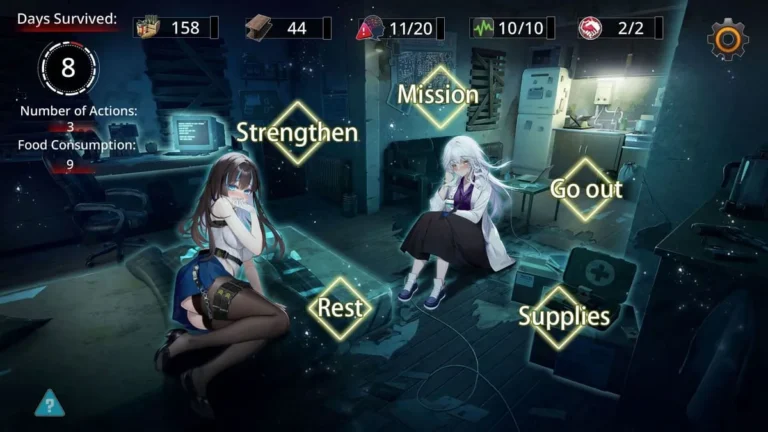
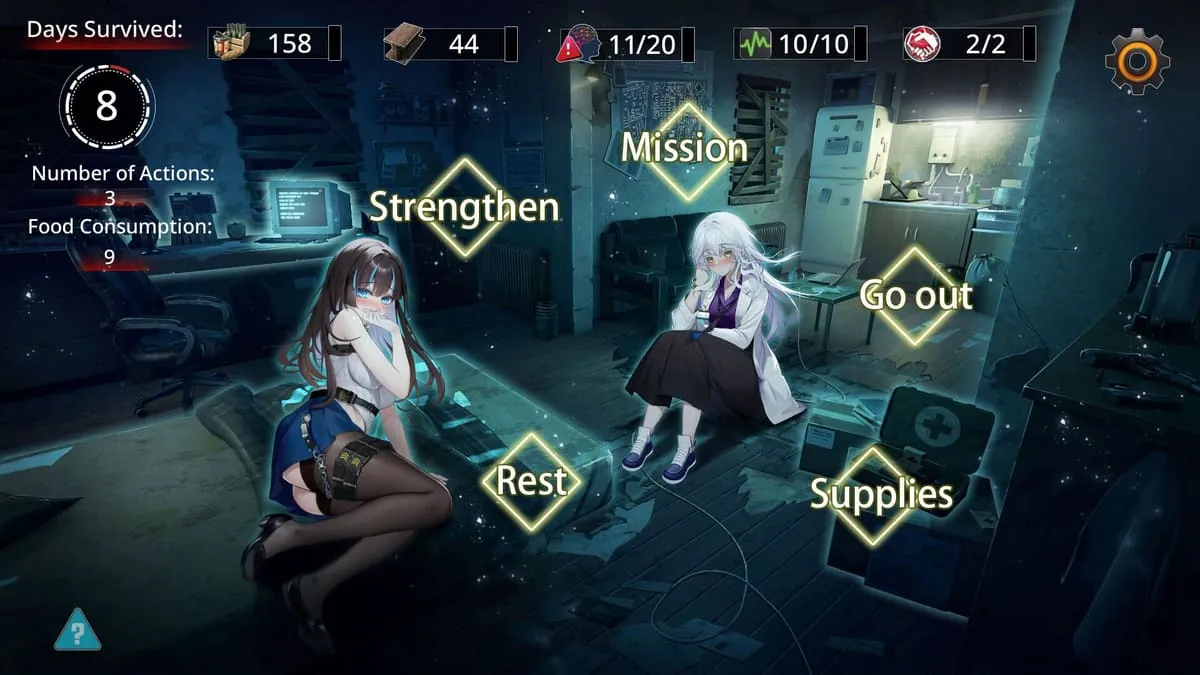
Think of it like this: in a standard visual novel, your cursor is just a page-turner. Here, it’s a resource allocator. The text isn’t just narrative; it’s the environment you navigate. Choosing to “Go Out” and read a scene about scavenging isn’t free—it consumes your Health Points (HP). Deciding to “Talk” to a traumatized survivor progresses their storyline but might drain your Sanity. This seamless blend is what defines the Fatal Countdown gameplay mechanics. You’re not just managing stats on a separate screen; you’re managing them through the story itself.
I remember my first playthrough, blithely exploring every dialogue option with a new companion. I was engrossed in the story, loving the character development… until my HP hit zero from all that “talking,” and I met a sudden, grim end. It was a brilliant, harsh lesson: in this world, even social interaction is a calculated risk. This is the core of its resource management post-apocalyptic challenge. Your attention, your time, and your character’s very vitality are the currencies you spend.
Essential Game Systems: HP, Insanity, and Combat
Your journey to Day 31 is governed by three interconnected pillars. Ignoring any one of them is a fast track to a game over screen. Let’s get personal with each system.
HP (Health Points): The Currency of Existence
Forget health as just a combat buffer. In this HP management survival game, your HP is your action points. Reading a plot scene? That costs HP. Gathering “Building Materials”? That costs HP. It’s your literal life energy for interacting with the game world. Let it drop to zero, and your story ends, full stop. This creates constant, delicious tension. Do you spend your precious HP to uncover a crucial story clue today, or do you conserve it to ensure you can defend your shelter tonight? Managing this balance is the first fundamental skill you must learn.
Insanity: The Road to Your Ending
This is where Fatal Countdown – immoral List of Desires truly shines. Your Insanity (or mental crash value) isn’t just a “bad status” to avoid; it’s a narrative compass. This insanity system game endings mechanic is a branching pathway locked to your mental state. Your character can cope with the horrors of the apocalypse in different ways, and the game tracks that psychologically.
Pro Tip: Insanity isn’t inherently “bad.” Different ranges unlock completely different ending arcs by the fateful Day 31. A low insanity score might lead to a stoic, resilient conclusion, while a high score could unveil a tragic, broken, or even transcendent finale. The insanity system game endings are varied and deeply tied to how you choose to weather the psychological storm.
Your Insanity fluctuates based on story choices, encounters with certain characters, and even the resources you use. It’s a brilliant way to make your mental state a tangible, gameplay-affecting resource.
ATK & The Combat System: When Talk Isn’t Enough
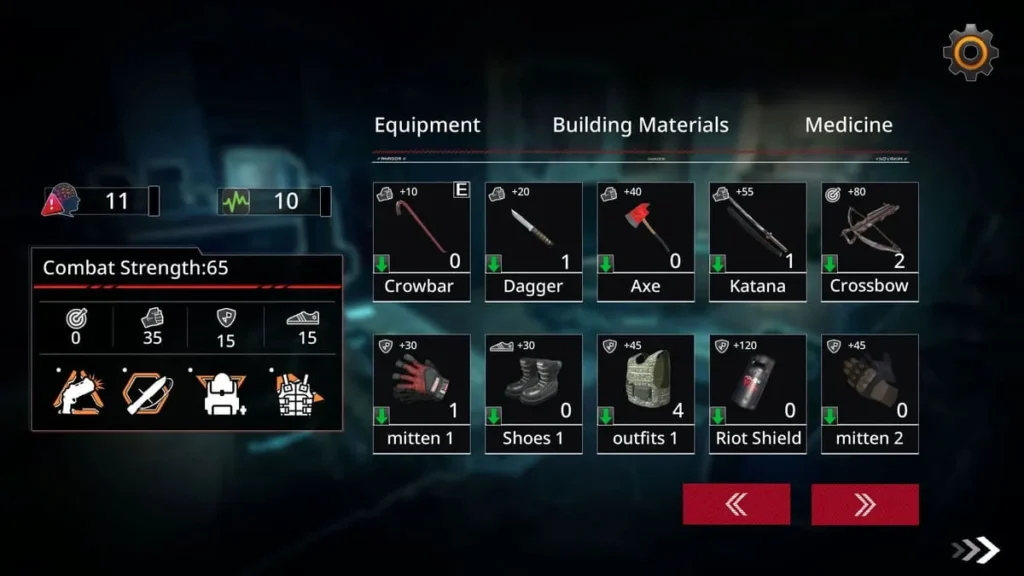
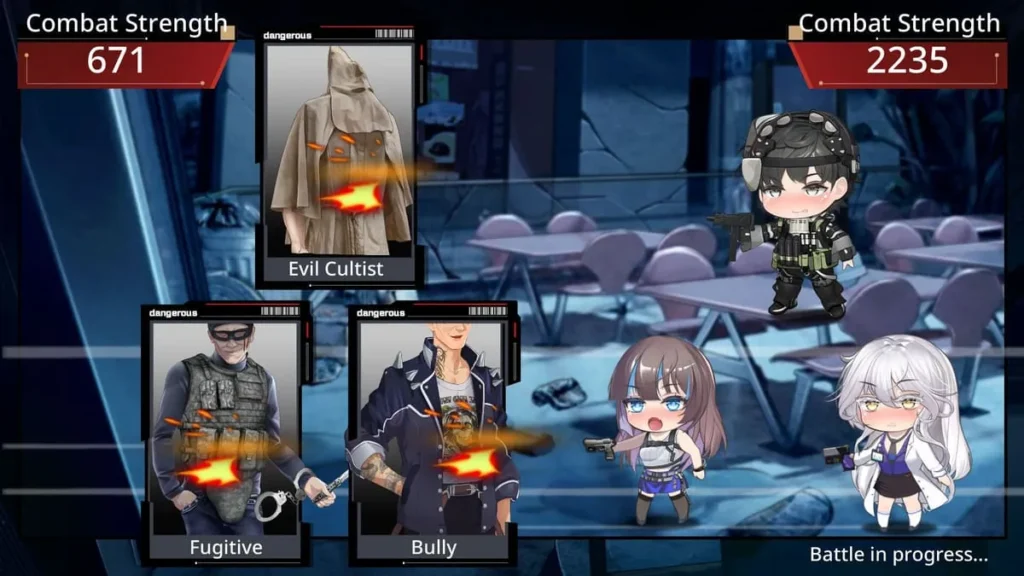
While dialogue and choice are paramount, not every threat in the wasteland can be reasoned with. This is where the Fatal Countdown combat system comes in. Your ATK (Attack) stat determines your effectiveness in defensive events and certain hostile encounters. It’s primarily boosted by equipping weapons and tools you find while “Going Out.”
The Fatal Countdown combat system is straightforward but weighty. When combat triggers—often during shelter defense events or specific story branches—your ATK is checked against the threat. It’s less about twitch reflexes and more about strategic preparation. Did you invest enough HP in exploration to find that baseball bat? Did you prioritize equipping it? Your pre-combat choices are the real battle. It reinforces that in this survival simulation visual novel, violence is a costly, often last-resort resource in itself.
To see how these systems dance together, here’s a breakdown:
| Resource Type | Primary Function | Impact on Gameplay | Strategic Importance |
|---|---|---|---|
| HP (Health) | Fuel for all player actions (reading, exploring, building). | Directly limits how much you can do each day. Zero HP = Game Over. | Ultimate daily currency. Management is non-negotiable for progression. |
| Insanity (Mental Crash) | Measures psychological state. Changes based on plot choices and events. | Determines which ending branch you qualify for on Day 31. | Defines your narrative path. Different strategies target different insanity ranges for specific endings. |
| ATK (Attack) | Determines success in combat and shelter defense scenarios. | Failure in combat can lead to massive HP loss or instant Game Over. | Critical for surviving mandatory threats. Requires foresight to gather and equip weapons. |
Resource Management and Decision-Making Strategies
Now that you understand the core systems, how do you not just survive, but thrive? This is where your strategic mind takes the wheel. The resource management post-apocalyptic layer is a daily puzzle, and solving it is incredibly satisfying. 🧩
Your main action categories are your tools:
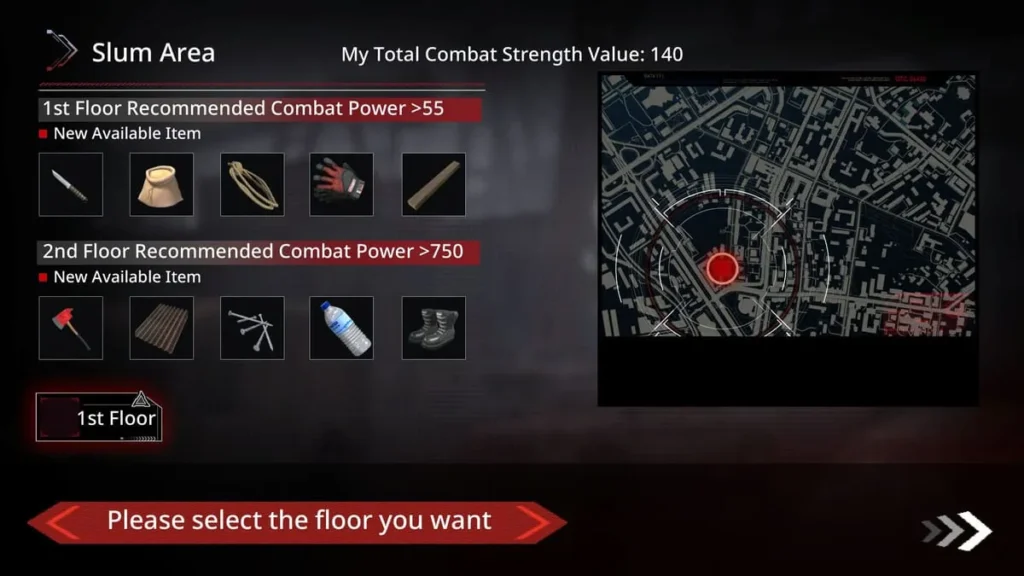
* Going Out: The engine of progress. This spends HP to trigger main and side plots, collect Items (like weapons for ATK), and discover Companions. It’s high-risk, high-reward.
* Building Materials: This isn’t just “crafting.” Using this option spends HP to directly strengthen your shelter defense mechanics. A stronger shelter means easier combat encounters and less HP lost when you’re attacked. It’s a proactive investment.
* Medicine: Your recovery toolkit. These items restore HP or lower Insanity. Knowing when to use them—to enable more actions or to steer your mental state toward a desired ending—is key.
So, how do you prioritize this every single day? Here’s a step-by-step guide I wish I had when I started:
- Assess Your Immediate Danger. Check your HP first. Is it dangerously low? If you’re below 30%, securing Medicine or a safe action that doesn’t cost HP might be your only priority today. Survival trumps all.
- Evaluate Your Ending Goal. Are you aiming for a low-insanity or high-insanity ending? This will decide if you embrace or avoid stressful story choices and what kind of Medicine you’ll seek.
- Plan Around the Plot. Main story milestones often require a chunk of HP to unlock. Ensure you’re conserving enough to hit these critical points when they appear.
- Don’t Neglect Defense. One or two days before a known story beat that triggers combat (you’ll learn to sense them!), spend actions on Building Materials. Boosting your shelter defense mechanics beforehand can turn a deadly fight into a manageable one.
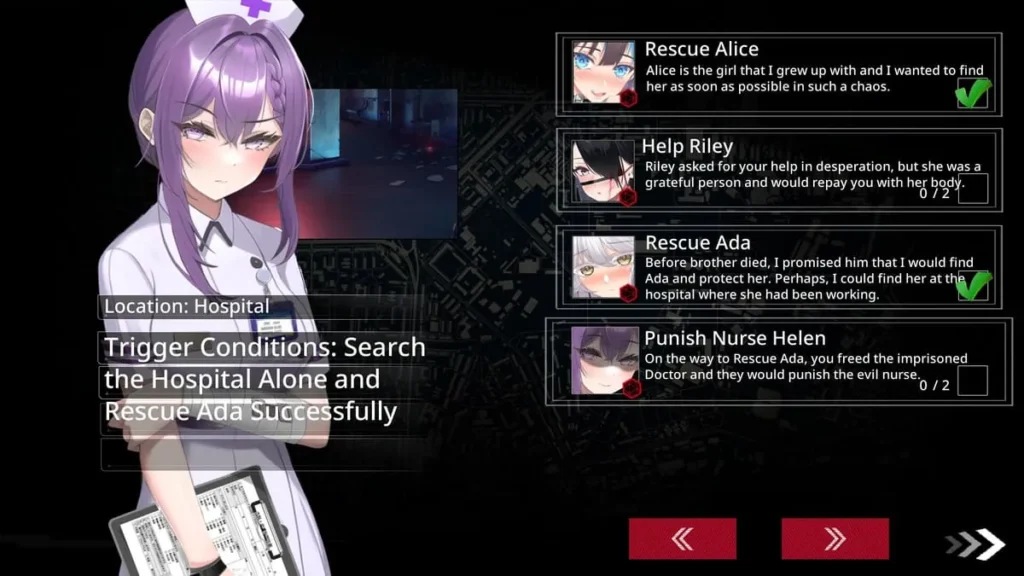
- Balance Companions and Solitude. Companions offer unique perks and storylines, but interacting with them costs HP. Sometimes, a day of solitary “Building” or resource gathering is necessary to afford the next character-driven chapter.
Remember, the game supports a stress-free operation design with a fantastic fast text-skipping system. This means repeat playthroughs to experiment with different insanity system game endings are encouraged and painless! You can quickly skip to the decision points that matter.
Mastering Fatal Countdown – immoral List of Desires is about embracing its hybrid nature. You are both a reader, hungry for the next plot twist, and a survivor, meticulously parsing the cost of every single click. It’s a survival simulation visual novel that respects your intelligence and rewards deep, strategic thinking. Manage your HP wisely, guide your Insanity with purpose, prepare your combat system readiness, and master the daily resource management post-apocalyptic grind. Do this, and you’ll not only reach Day 31—you’ll unlock the profound, haunting conclusion your journey deserves. Now, get out there and survive your story. 🏚️➡️✨
Fatal Countdown – immoral List of Desires stands out as a distinctive title that successfully merges visual novel storytelling with survival simulation mechanics. The game’s complex system of resource management, mental stability tracking, and branching narratives creates a compelling experience where player choices genuinely impact outcomes. With its post-apocalyptic setting, psychological horror elements, and multiple endings determined by the Insanity parameter, the game offers substantial replay value for players interested in exploring different story paths. Whether you’re drawn to the survival mechanics, the narrative depth, or the relationship-building aspects with companions, understanding these core systems will enhance your gameplay experience. The positive community reception and addictive gameplay loop demonstrate that this unique blend of genres resonates with players seeking something beyond traditional visual novels or standard survival games.