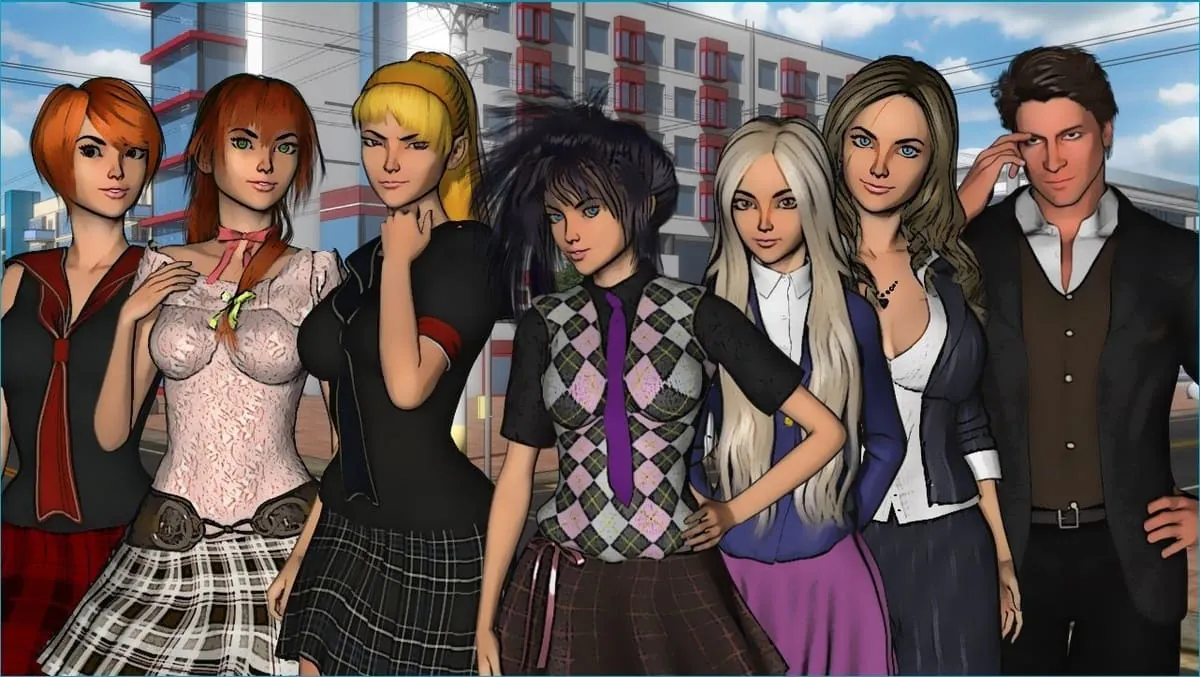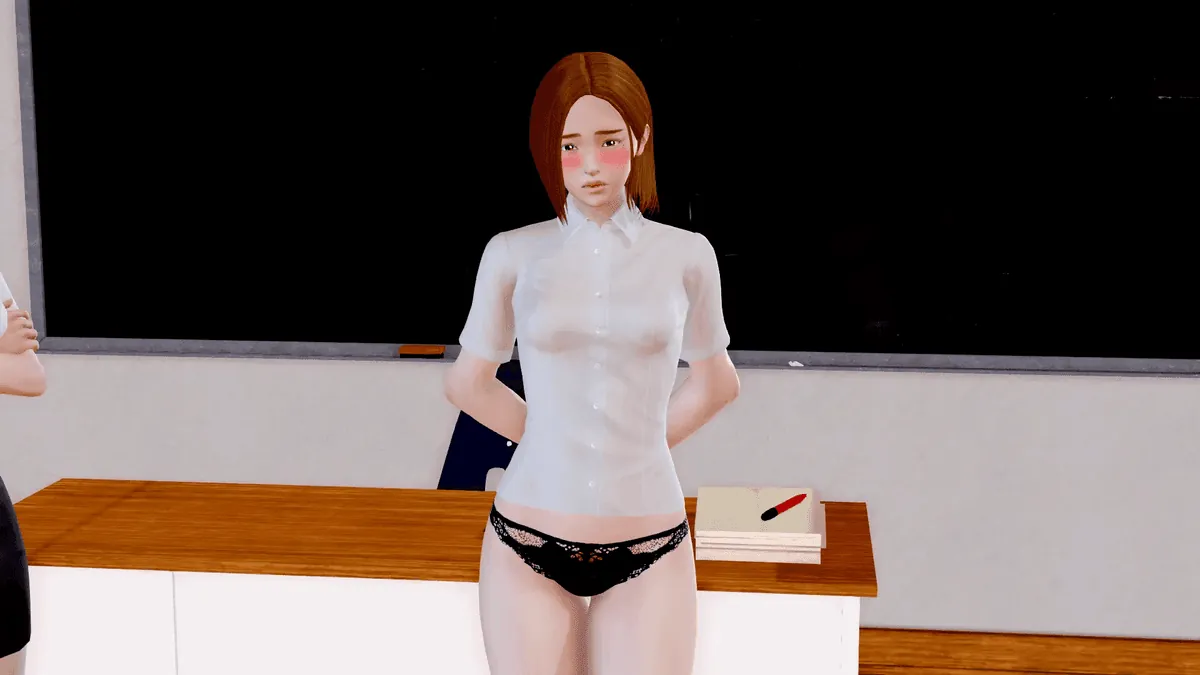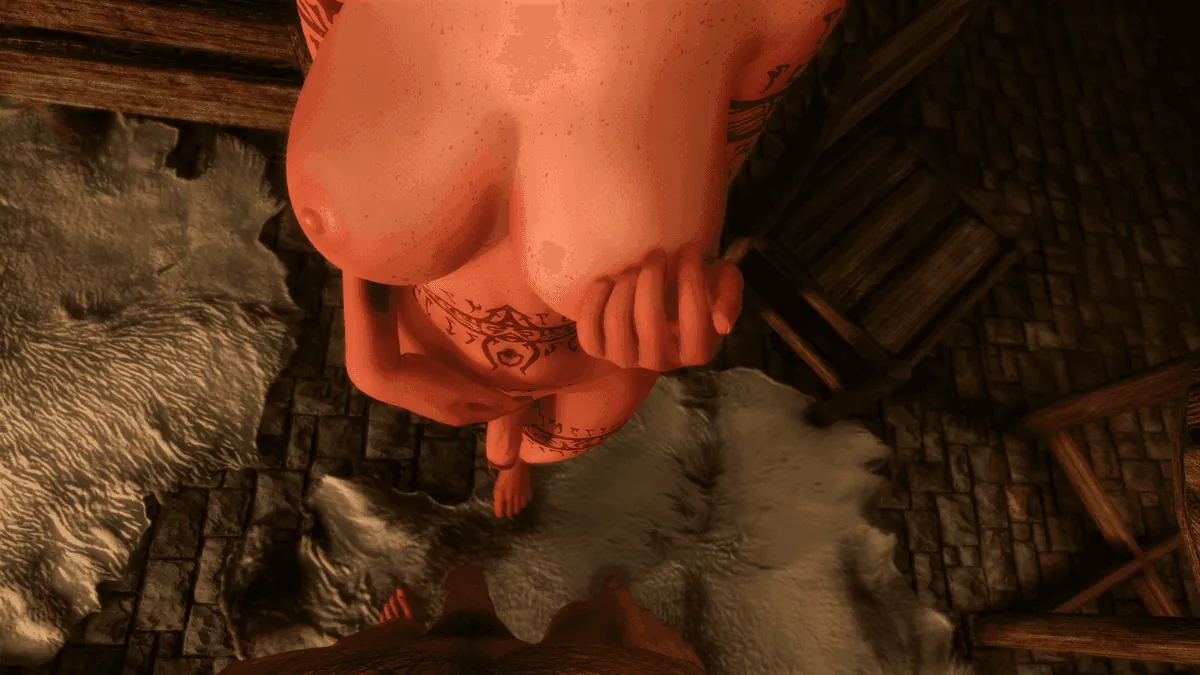
Companion of Darkness
Play Companion of Darkness
Companion of Darkness Screenshots



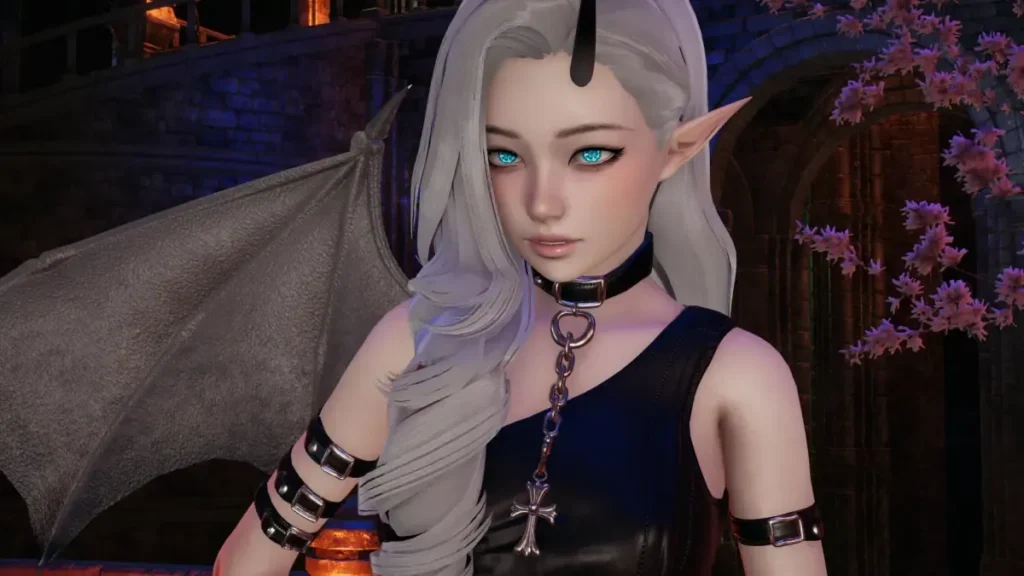
Companion of Darkness review
Explore the rich narrative, complex factions, and immersive mechanics of this interactive adventure
Companion of Darkness stands out as a captivating interactive game that combines compelling storytelling with intricate world-building. This game is known for its rich plot, complex faction systems, and engaging political intrigue that keeps players invested throughout their journey. Whether you’re interested in narrative-driven experiences or strategic gameplay elements, understanding what makes Companion of Darkness unique can help you decide if it’s the right game for you. This guide explores the game’s core features, narrative depth, and what players appreciate most about this interactive experience.
Understanding Companion of Darkness: Core Gameplay and Narrative Design
So, you’ve heard whispers in the shadows about this game, right? 🕯️ Everyone’s talking about its moody atmosphere and deep story. But what is it actually like to play? If you’re used to games that hit you over the head with explosive action from minute one, prepare for a different, more deliberate kind of magic. Companion of Darkness gameplay isn’t about reflexes; it’s about perception, choice, and the slow, satisfying unfurling of a world on the brink.
This isn’t just another visual novel or point-and-click adventure. It’s a masterclass in interactive game narrative design, where your patience is rewarded with unparalleled depth. The game confidently employs pacing and restraint in games, choosing to build a rich foundation of lore and character before the true stakes are revealed. Let’s pull back the curtain and explore what makes this journey so uniquely captivating.
What Makes Companion of Darkness Stand Out in Interactive Gaming
Most narrative-driven games operate on a simple promise: make a choice, see an immediate result. Companion of Darkness fundamentally rewires this expectation. Its standout quality is a confident, almost radical commitment to slow-burn storytelling. Think of it less as a rollercoaster and more as a deep, exploratory dive into a frozen lake. 🧊 The surface is calm, but the world beneath is vast, complex, and full of hidden currents.
The core of the Companion of Darkness gameplay loop is a beautiful synthesis of observation, conversation, and strategic alliance-building. You won’t be mashing through dialogue to get to the next quick-time event. Instead, you’ll pore over environmental details in lovingly crafted scenes, listen to the subtext in every character’s voice, and make dialogue choices that feel less like selecting a predetermined path and more like genuinely steering a relationship. This deliberate approach is a hallmark of its interactive game narrative design, creating a sense of weight and consequence in every interaction.
A major part of the Companion of Darkness features that facilitates this is its presentation. The immersive game animations are subtle but powerful—a character’s hesitant glance, the tightening of a fist, the way light shifts in a room to reflect a changing mood. These aren’t flashy effects; they are narrative tools. Coupled with an exceptional, haunting soundtrack that underscores every emotional beat, the game doesn’t just tell you its story; it makes you feel its world.
But how does this philosophy translate into practical design? The table below highlights the key differences in approach:
| Aspect | Typical Interactive Game | Companion of Darkness |
|---|---|---|
| Pacing | Fast-paced, constant escalation of stakes and action. | Deliberate, building atmosphere and character foundations before major plot turns. |
| Character Introduction | Characters often present their core traits and motivations upfront. | Characters reveal themselves slowly through layered dialogue, optional interactions, and player curiosity. |
| Player Agency | Often binary (Good vs. Evil) with clear, immediate consequences. | Nuanced, influencing long-term trust, faction standing, and narrative perspective without immediate “right/wrong” feedback. |
| World-Building | Often delivered through info-dumps or mandatory lore entries. | Organically woven into conversations, environmental storytelling, and character backstories discovered through engagement. |
This design creates a powerful sense of discovery. You’re not a passenger on a narrated tour; you are an archaeologist, carefully brushing away sand to uncover the story beneath. One player perfectly captured this sentiment:
“I went in expecting a standard supernatural mystery, but I stayed for the quiet moments. Learning a character’s favorite tea, noticing how their portrait animation softens when they trust you, realizing a tiny choice from hours ago is echoing in a current political meeting… it’s unparalleled. The graphics and character models are so expressive, they sell every whispered secret and weary glance. You don’t just play this game; you inhabit it.”
The Importance of Pacing and Character Development in Story-Driven Games
Here’s where Companion of Darkness truly separates itself from the pack. In an era of endless content and instant gratification, this game is a bold argument for the power of pacing and restraint in games. It understands that for a climax to truly resonate, the foundation must be rock-solid. The game’s opening hours are dedicated not to spectacle, but to intimacy. You learn the rhythms of the setting, the unspoken rules of society, and, most importantly, you get to know people.
This focus on character development in story-driven games is its greatest strength. Characters aren’t mere quest dispensers or archetypes; they are individuals with conflicting loyalties, personal traumas, and hidden agendas that only reveal themselves over time and through your actions. Your relationships evolve based on a myriad of small choices: Do you offer comfort or demand answers? Do you share your own suspicions or hold your cards close? This granular approach to character development means no two playthroughs yield the exact same dynamic.
The immersive game animations play a crucial role here. A raised eyebrow, a hesitant smile, a character turning away slightly—these micro-expressions, powered by detailed character models, convey volumes more than exposition ever could. You learn to read the people around you, making the narrative feel earned and personal. This is interactive game narrative design at its finest: the game provides the tools (stunning art, subtle animation, brilliant voice acting) and the space (deliberate pacing) for you to build your own understanding and emotional connections.
“The value of restraint is that it transforms consumption into investment,” as one seasoned reviewer put it. By not rushing, the game asks you to invest your attention and empathy. In return, when the narrative tension finally snaps, when a trusted ally betrays you or a fragile hope is realized, the emotional impact is devastatingly potent. You care because you took the time to learn why you should care. This philosophy is central to the Companion of Darkness features, making it a benchmark for character development in story-driven games.
How Political Intrigue and Faction Systems Create Depth
If the characters are the heart of Companion of Darkness, then the faction system political intrigue is its intricate, pulsating brain. 🧠 This isn’t a world of clear heroes and villains; it’s a landscape of shifting grays, where every group has a justifiable cause, a damning secret, and a desire for power. You are thrust into the center of this delicate ecosystem, and every word you speak and every favor you grant sends ripples through the political pond.
The faction system is beautifully woven into the core Companion of Darkness gameplay. You don’t simply pick a side from a menu. Instead, your standing with groups like the secretive Archivists, the militant Wardens, or the enigmatic Court of Shadows changes organically based on your decisions. Completing a task for one faction might inadvertently slight another. Sharing intelligence can build trust, but hoarding it might grant you short-term leverage at the cost of long-term alliance.
This creates a constant, thrilling tension. A conversation isn’t just about learning information; it’s a political act. Who are you talking to? Who might be listening? What does this person really want from you, and what faction do they ultimately serve? This layer of political intrigue forces you to think strategically about every interaction, elevating the narrative from a personal story to a grand, geopolitical chess game where you are both a pawn and a budding player.
The genius of this faction system political intrigue is that it mirrors real-world politics. Alliances are fragile, information is currency, and today’s ally could be tomorrow’s obstacle based on a change in the wider power struggle. Your journey becomes a unique tapestry of these relationships. Perhaps you play as a diplomat, carefully balancing favors. Or maybe you exploit rivalries for your own gain. This system ensures that the Companion of Darkness features a highly replayable narrative, as navigating the political intrigue differently can unlock entirely new story paths and endings.
Ultimately, Companion of Darkness is more than the sum of its parts. It’s a testament to a specific design philosophy: that depth, atmosphere, and emotional truth are more valuable than constant stimulation. Its Companion of Darkness gameplay rewards the thoughtful player. Its interactive game narrative design trusts you with subtlety. Its world, brought to life through immersive game animations and a masterful soundtrack, doesn’t just want you to see its conflicts—it wants you to understand the centuries of history and personal passion that fuel them.
If you’re ready for a game that will occupy your thoughts long after you put it down, a game where a whispered conversation in a library can be as gripping as a battlefield, then your Companion of Darkness awaits. It’s not just playing a story; it’s living inside one, with all the complexity, beauty, and shadow that entails. ✨
Companion of Darkness represents a thoughtful approach to interactive gaming that prioritizes narrative depth and player engagement through careful pacing and character development. The game’s complex faction systems, political intrigue, and immersive storytelling create an experience that rewards player investment and emotional connection to the characters and world. With its outstanding animations, compelling music, and rich plot, Companion of Darkness appeals to players seeking meaningful interactive narratives. If you’re looking for a game that values restraint, character development, and strategic storytelling over rushed intensity, Companion of Darkness offers a compelling experience worth exploring. Start your journey today and discover why this game has captured the attention of players who appreciate sophisticated interactive entertainment.